Heat Damage & Protection
Should You Use a Heat Protectant?
Yes — and how you apply it matters more than which one you buy, for a reason involving water.
Updated September 2026 · Sawyer V.
Yes, use one. It puts a layer between the tool and your hair that slows heat transfer and reduces moisture loss. What it does not do is make a 450°F setting safe — no product raises the temperature at which keratin changes.
We earn a commission if you buy through the links on this page, at no extra cost to you. It never changes which tool we pick or which one we tell you to skip. How this site is funded.
What it physically does
A heat protectant coats the hair with materials — commonly silicones, polymers and oils — that sit between the heated surface and the fiber. The claimed mechanism is straightforward: slow the rate of heat transfer into the strand, and reduce how fast moisture escapes while the hair is hot.
That second part matters more than it sounds. Published DSC work by Cao and Leroy shows the melting temperature of the ordered keratin in hair falls from 205°C when dry to 155°C at 23% moisture content. Water content changes the temperature at which structural change happens, so managing what the water is doing during styling is not a side issue.
What it cannot do
It does not raise the temperature at which hair keratin denatures. That is a property of the protein, not of what is on top of it. A protectant buys you a margin against the hardware; it does not move the line.
So “I use heat protectant” is not a reason to turn an iron to 450°F. Published work puts the melting point of ordered keratin in dry hair at about 401°F, and a flat-iron study reported denaturation at 459°F alongside observed cuticle damage. A coating does not change either figure — the numbers are here.
The application mistake almost everyone makes
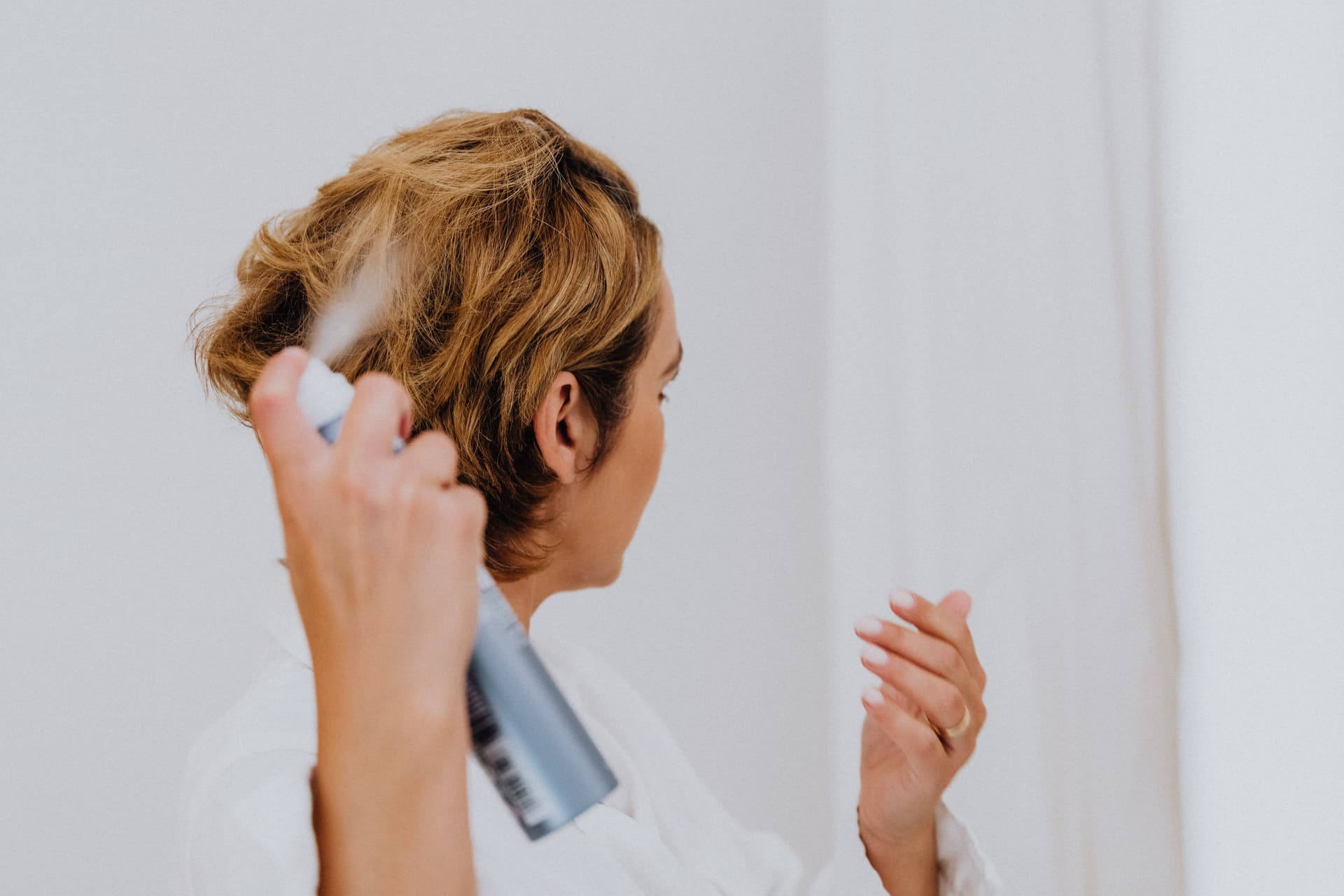
Most protectants are sprayed on damp hair before blow-drying, which is correct for blow-drying. The mistake is assuming that covers the flat iron too.
It does not, for two reasons. First, whatever you applied has been through a blow-dry and is largely gone. Second, and more important, hair must be completely dry before an iron touches it, and spraying a wet product on hair immediately before ironing puts water back into it — which, per the figure above, lowers the temperature at which the structure gives.
So: protectant on damp hair before drying, and a separate application of a dry product — a cream, oil or dry spray — before ironing, allowed to absorb fully first.
How to actually apply it
- Distribute it, do not spot it. Spray into your hands or comb it through. A protectant on ten percent of your hair is protecting ten percent of your hair.
- Ends first, roots last. The ends are the oldest hair on your head and have already taken the most heat.
- Let it dry before the iron. Not optional. This is the whole point of the previous section.
- Less than you think. Over-applied protectant leaves a residue that bakes onto the plates and changes how heat transfers.
Which one to buy
We are not going to rank heat protectants, and the reason is a rule we hold ourselves to: we do not review what we cannot verify. Protectant performance is a laboratory question — how much heat transfer is actually reduced, at what temperature, on what hair — and we have no lab and no test data of our own.
What we can tell you is what to look for. A product that states the temperature it protects to, in a number rather than a claim. A format that suits when you will use it — wet spray before drying, dry cream or oil before ironing. And enough of it that you will actually apply properly rather than rationing.
If a page ranks protectants by effectiveness, ask what it measured with. That question has a short answer more often than it should.
The tools on this page
Prices come from the live price layer. Where none is available the button says so rather than showing a number we cannot stand behind.
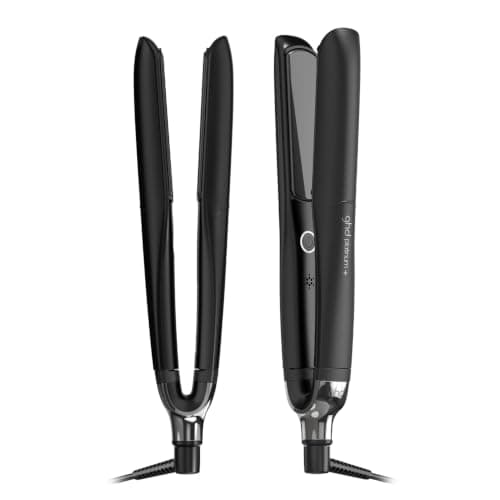
ghd Platinum+ flat iron (1 inch plate)
One temperature, 365°F, no dial to get wrong — the strongest heat-discipline argument in the category, and the longest iron warranty here at three years.
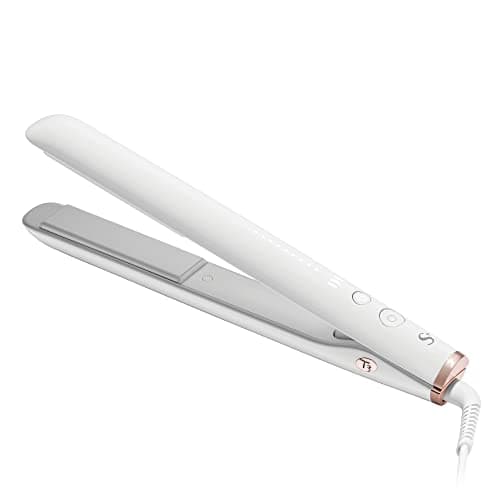
T3 SinglePass StyleMax 1 inch flat iron
Nine heat settings and genuine 100–240 V dual voltage: the most adjustable iron here and the only one you can pack for Europe without a thought.
Questions people actually ask
Do heat protectants actually work?
They put a layer between the tool and the hair that slows heat transfer and reduces moisture loss during styling. What they do not do is raise the temperature at which keratin changes — that is a property of the protein.
Can I skip heat protectant if I use a low temperature?
Use it anyway. Low temperature and a protectant are additive rather than alternatives, and the protectant also reduces moisture loss during the session, which matters because the melting point of hair keratin falls sharply with moisture content.
Should I apply heat protectant to wet or dry hair?
Both, with different products. A wet spray on damp hair before blow-drying, and a separate dry product — cream, oil or dry spray, fully absorbed — before an iron. Never spray a wet product onto hair you are about to iron.
Does heat protectant make 450 degrees safe?
No. Published work puts the melting temperature of ordered keratin in dry hair at about 401 degrees Fahrenheit, and a flat-iron study reported denaturation at 459 degrees alongside observed cuticle damage. A coating does not move those figures.