Heat Damage & Protection
Signs of Heat Damage: How to Tell
Dryness, breakage and frizz are not the same problem, and treating the wrong one is why nothing improves.
Updated September 2026 · Sawyer V.
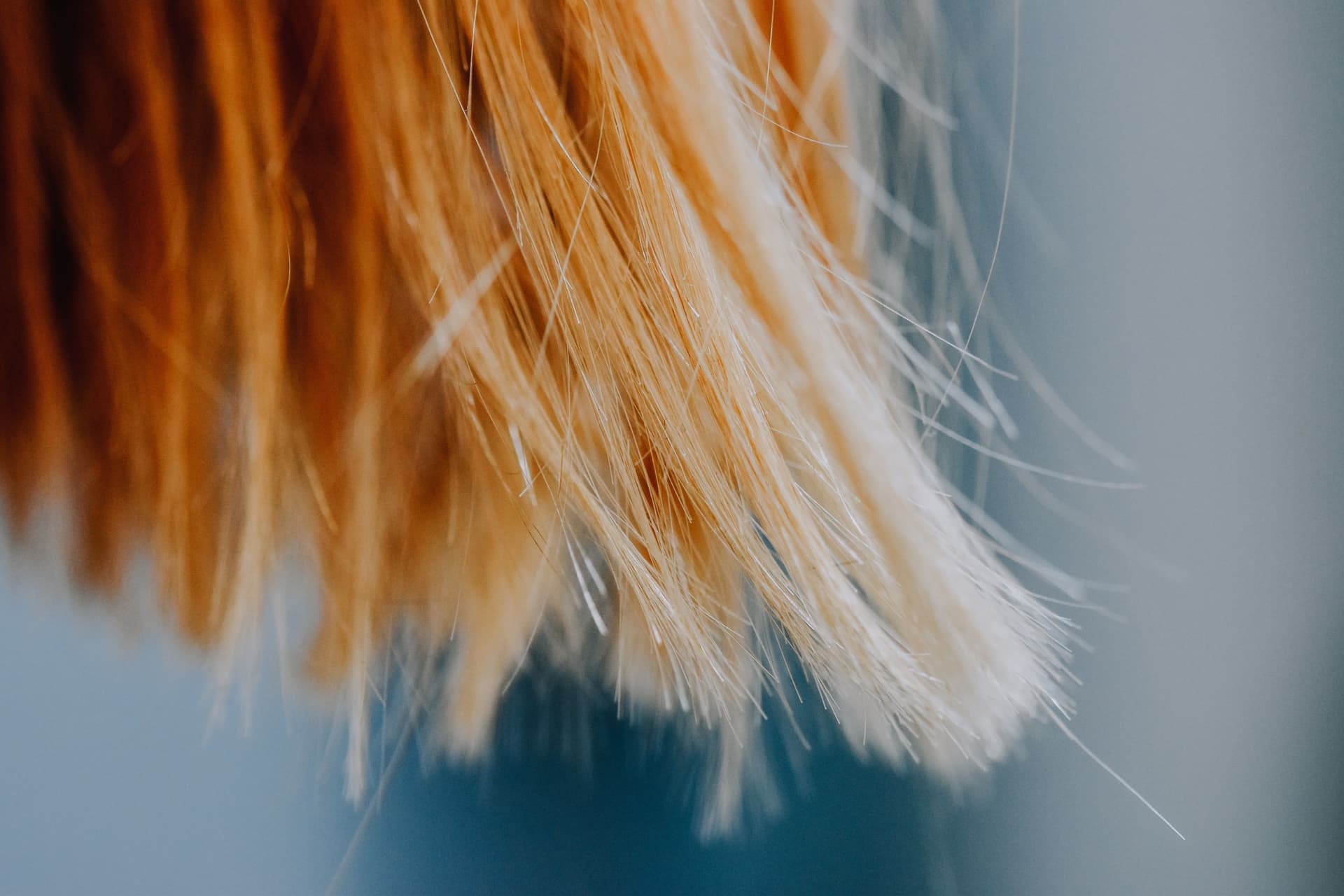
The clearest signs of heat damage are ends that split and snap rather than stretch, a curl pattern that has gone straighter in patches, hair that feels rough from mid-length down, and sections that will no longer hold a style. Dryness alone is usually not heat damage.
We earn a commission if you buy through the links on this page, at no extra cost to you. It never changes which tool we pick or which one we tell you to skip. How this site is funded.
The eight checks
Work through these on clean, dry, product-free hair. They are ordered from most to least specific to heat.
- The stretch test. Take one strand and pull gently. Healthy hair stretches a little then returns. Heat-damaged hair snaps almost immediately with no stretch. Hair that stretches a long way and stays stretched is usually a protein problem rather than a heat one.
- Curl pattern in patches. If some sections hang noticeably straighter than the hair around them — usually at the ends or around the face — that is heat damage and it is the most specific sign there is. Nothing else does that.
- Split ends that split above the tip. Ordinary wear splits at the very end. Splits appearing an inch or more up the shaft point at heat.
- Roughness that starts mid-length. Run a strand between your fingers from root to tip. Heat damage produces a clear transition point where the texture changes, because the top section is newer growth that has taken less heat.
- Styles that will not hold. Damaged hair does not hold a curl or a blow-dry, which is why people respond by adding more heat and make it worse.
- White dots along the shaft. Small pale nodes are points where the fiber has begun to fracture. They break there.
- Color that will not stay even. A damaged cuticle absorbs and releases color unevenly, so dye grabs at the ends and fades fast.
- Frizz that ignores products. Frizz from dryness responds to conditioner. Frizz from a damaged cuticle largely does not, because the scales are physically lifted rather than thirsty.
What it is not
Telling the four common problems apart
| What you see | Most likely cause | What actually helps |
|---|---|---|
| Dry and dull, but elastic | Moisture loss | Conditioning; this is not heat damage |
| Stretches a long way and stays stretched | Protein loss | Protein treatment, then rebalance moisture |
| Snaps with no stretch, splits high up | Heat damage | Less heat, lower temperature, and a cut |
| Limp and coated, will not take product | Build-up | Clarifying wash — nothing to do with heat |
Treating the wrong one is the usual reason a routine change makes no difference. Protein on protein-overloaded hair makes it more brittle, not less.
Why it happens where it happens
Damage concentrates at the ends and around the face, and both have straightforward explanations. The ends are the oldest hair on your head and have been through every heat session you have ever done. The pieces around your face get styled most often and most carefully, because they are the ones you can see.
That is also why the transition point in check four is so diagnostic: it marks roughly where your hair was when the damage was being done.
What to change, in order
- Frequency first. Going from five heat sessions a week to two cuts exposure by sixty percent, and costs nothing — how often is too often.
- Then temperature. Published research puts the melting point of ordered keratin in dry hair at about 401°F, and two manufacturers set their irons at 365°F — the numbers are here.
- Then never style damp. The same research shows the melting point falls to about 311°F at 23% moisture.
- Then get it cut. Split ends travel up the shaft. Cutting is the only thing that stops that.
- Then, and only then, consider a different tool — the lower-heat options.
Note the order. Four free changes come before anything you can buy, and that ordering is deliberate on a site that earns money when you buy things.
The tools on this page
Prices come from the live price layer. Where none is available the button says so rather than showing a number we cannot stand behind.
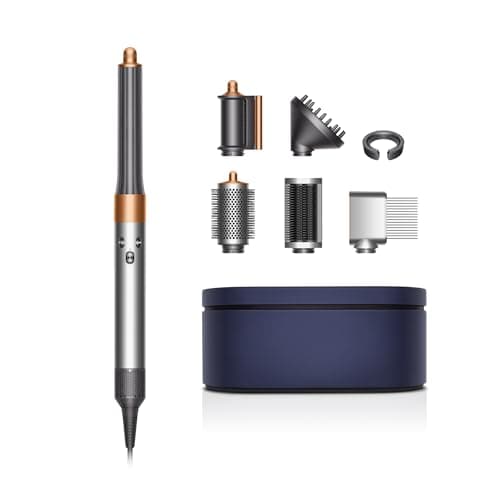
Dyson Airwrap multi-styler (Complete Long)
1,300 W is the lowest published wattage of any mains tool in this registry. That is the design argument, and it is also why it is slow on thick hair.
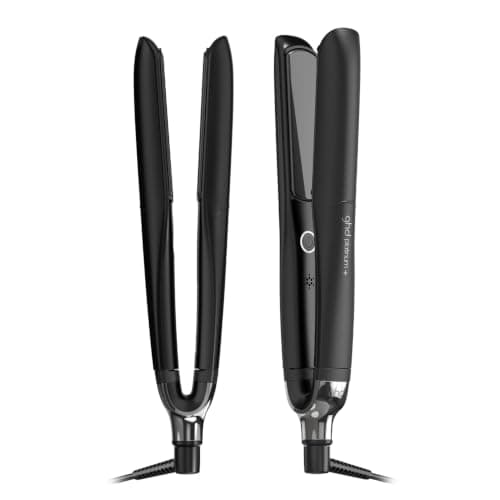
ghd Platinum+ flat iron (1 inch plate)
One temperature, 365°F, no dial to get wrong — the strongest heat-discipline argument in the category, and the longest iron warranty here at three years.
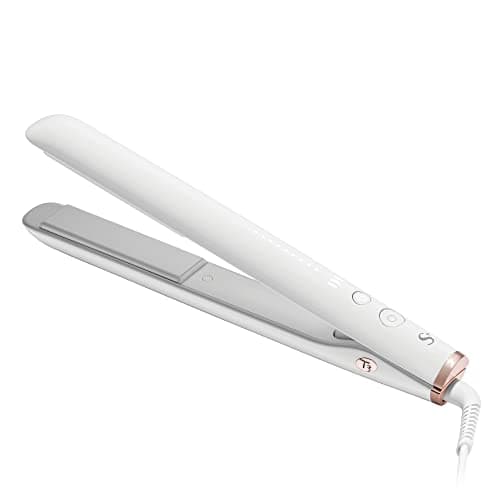
T3 SinglePass StyleMax 1 inch flat iron
Nine heat settings and genuine 100–240 V dual voltage: the most adjustable iron here and the only one you can pack for Europe without a thought.
Questions people actually ask
How can I tell if my hair is heat damaged?
The most specific sign is a curl pattern that has gone straighter in patches — nothing else does that. Beyond it: strands that snap without stretching, splits appearing an inch or more up the shaft, and a clear texture change starting mid-length.
Is dry hair the same as heat damaged hair?
No. Dry hair is still elastic and responds to conditioning. Heat-damaged hair snaps without stretching and does not respond, because the structure has changed rather than the moisture level.
Can heat damage be reversed?
Not structurally. Products genuinely improve how damaged hair looks and behaves, but the affected length grows out and gets cut off. Hair is dead tissue with no repair mechanism.
Why does my hair not hold a curl any more?
That is one of the eight signs. Damaged hair holds shape badly, and the usual response — more heat — makes it worse. It is the loop most damaged hair is somewhere inside.