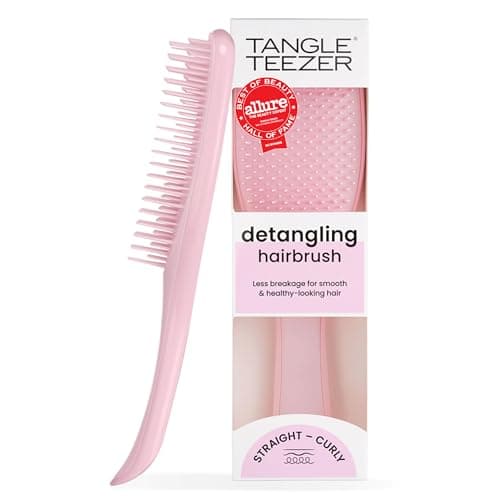
Best Detangler
The Best Detangling Brushes in 2026
The impact-loading problem a detangler solves, and what to look for.
Updated September 2026 · Sawyer V.
Published specs · Real running costs · One pick we’d skip
Section
Every other section of this site compares heating elements. This one has none, which makes it the cheapest way to reduce damage on the whole site.
Updated September 2026 · Sawyer V.
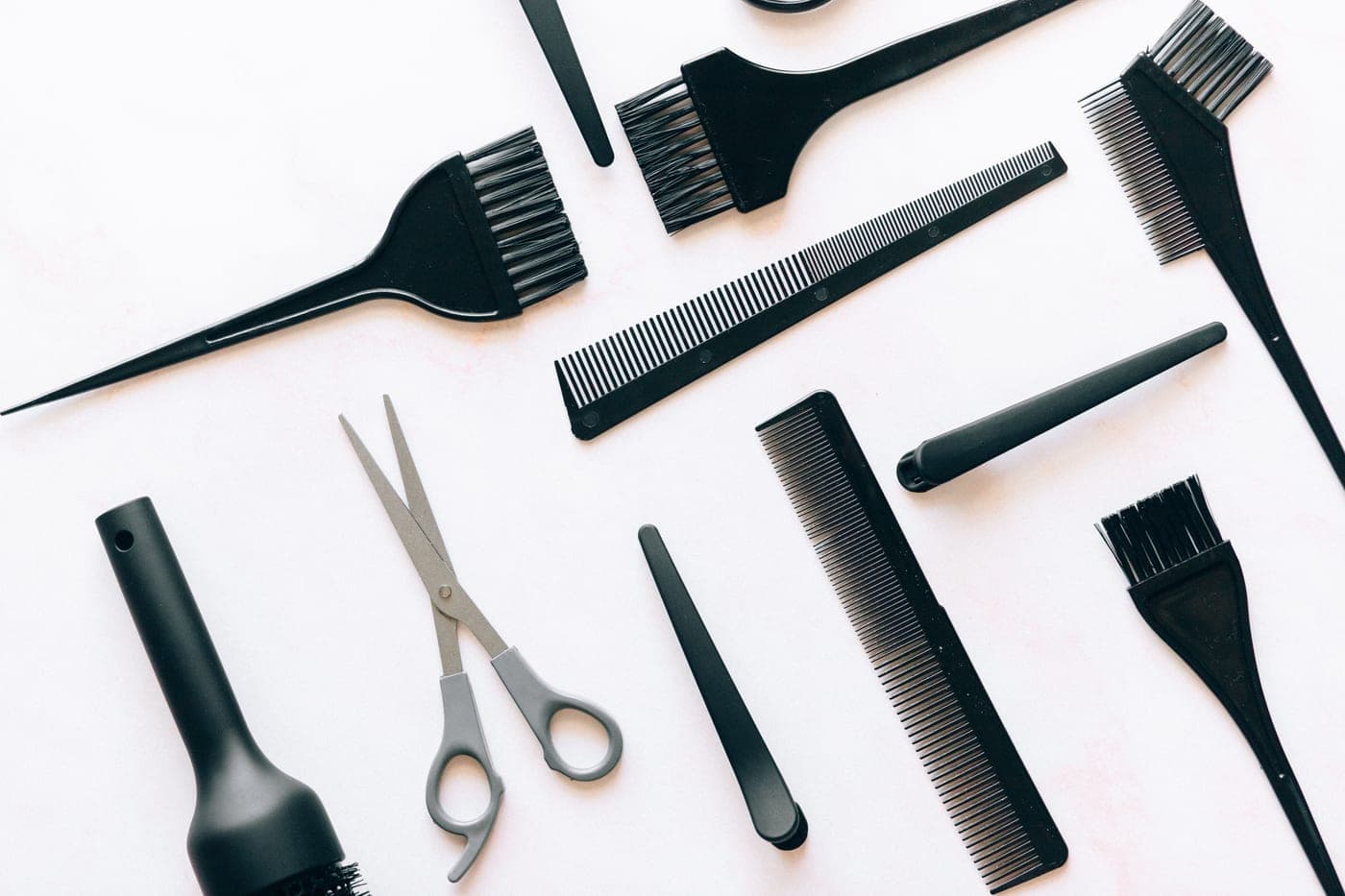
These are the tools with no heating element: detangling brushes, scalp massagers and rollers. They matter because mechanical stress is a damage pathway in its own right — repeated brushing behaves as a fatigue process on the fiber — and because a roller set is the only way to curl hair with no heat at all.
We earn a commission if you buy through the links on this page, at no extra cost to you. It never changes which tool we pick or which one we tell you to skip. How this site is funded.
Best Detangler
The impact-loading problem a detangler solves, and what to look for.
Updated September 2026 · Sawyer V.
Guide
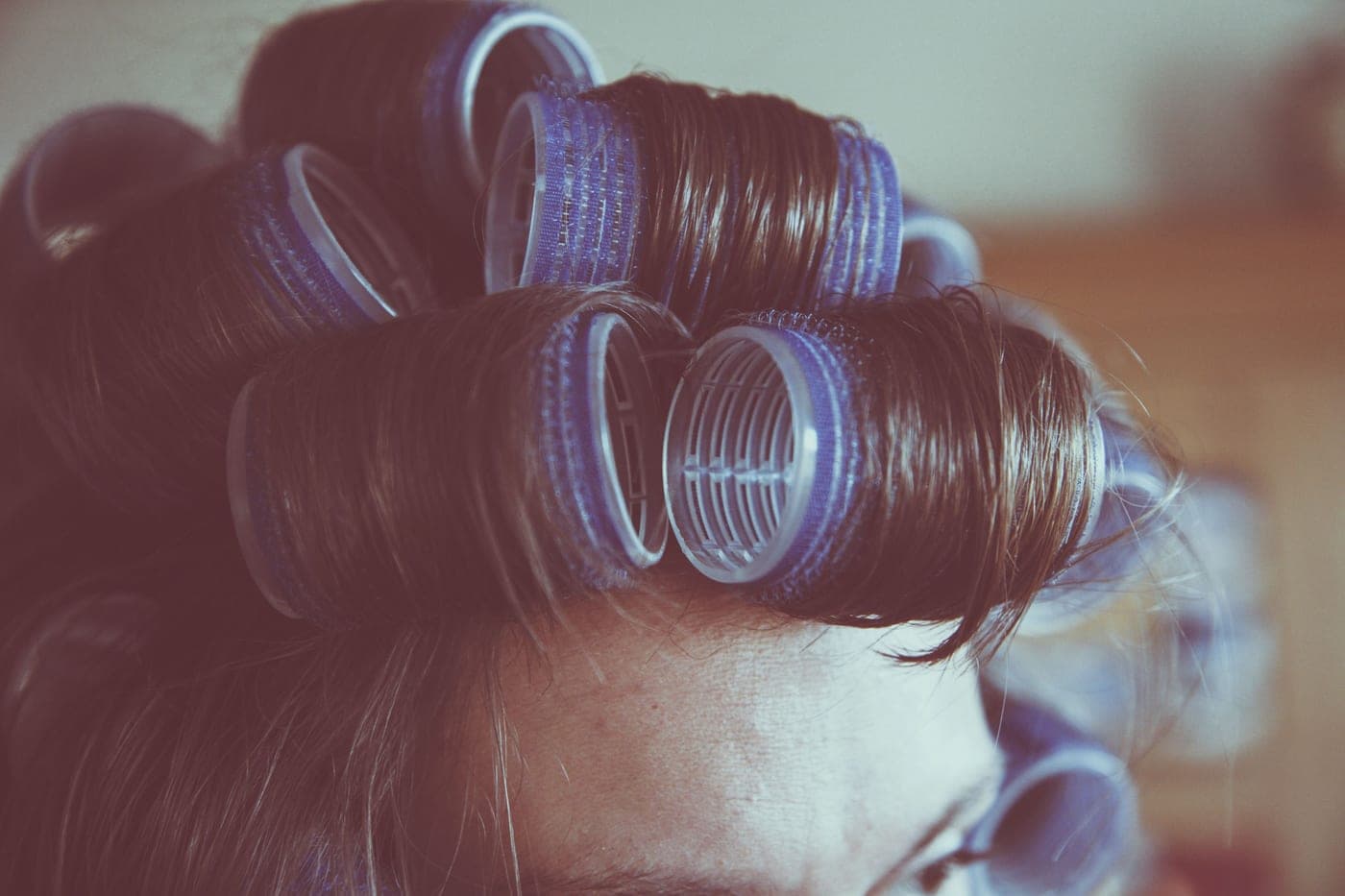
The four roller types, what each does, and the mistake that damages hair anyway.
Updated September 2026 · Sawyer V.
Guide
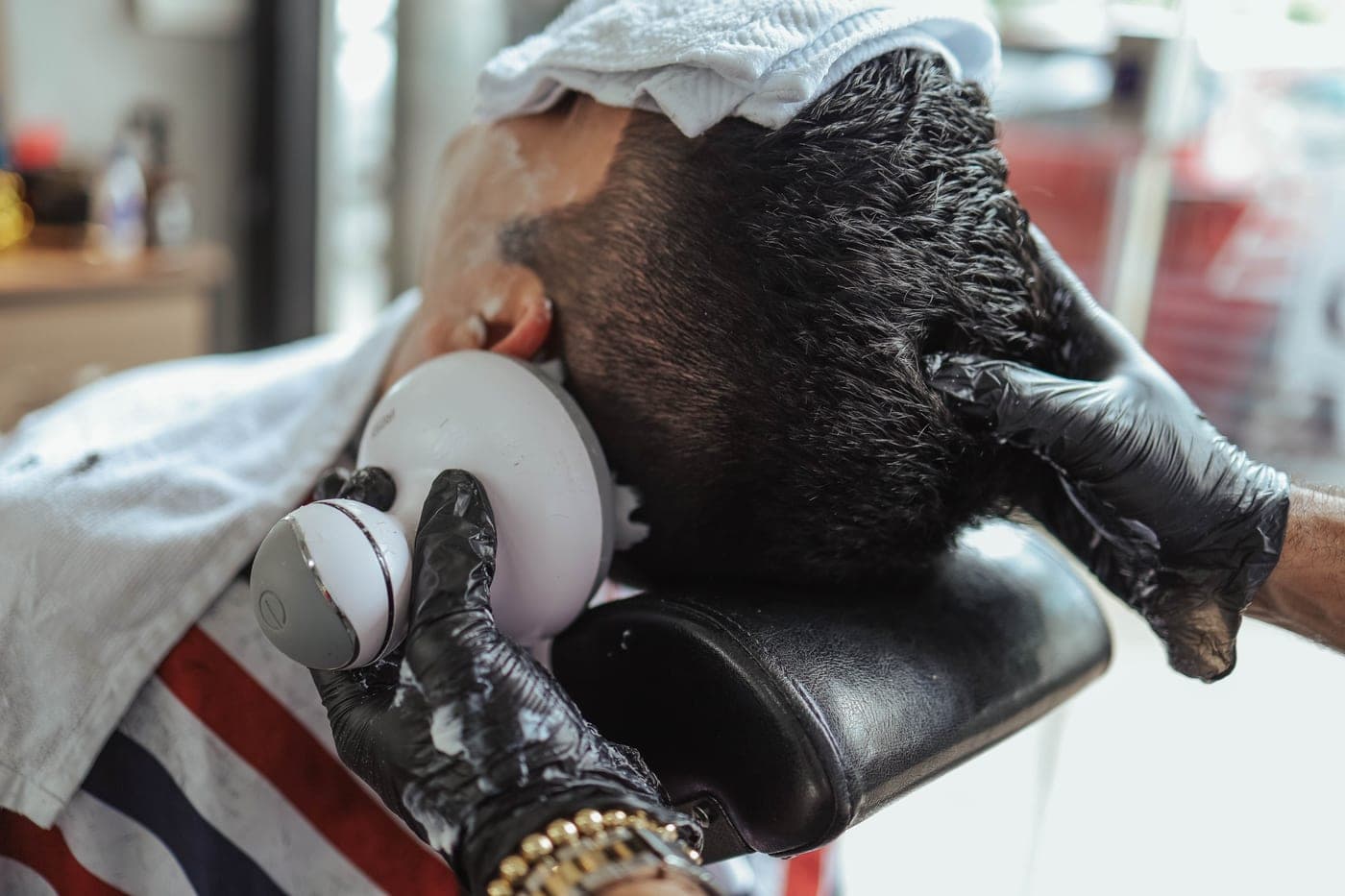
What the growth claim rests on, what they are genuinely useful for, and why we rank none.
Updated September 2026 · Sawyer V.

Guide
Why the towel step is the biggest free saving, and what to look for.
Updated September 2026 · Sawyer V.
Guide
Why fewer teeth means less breakage, and the attachment version of the same idea.
Updated September 2026 · Sawyer V.
Guide
What a heat mat actually has to do, and which tools ship their own.
Updated September 2026 · Sawyer V.
Every other hub on this site is organized around a heated surface, and the comparison is always some version of the same question: how hot, how controllable, and how many passes. Take the heat away and none of those apply. What is left is mechanical — how much force you have to use, and where that force lands.
That turns out to matter more than it sounds. Published work treats repeated brushing and combing as a fatigue process: individual fibers experience repeated loading, flaws propagate, and eventually the fiber fails. Separately, work on combing damage found that longer breaks occur mostly through impact loading — yanking through a knot — which breaks hair at lower forces than steady tension does.
So the tools here are not a lesser category. On hair that is already compromised, changing how you detangle is frequently a bigger intervention than changing which iron you own, and it costs less. The mechanism is on the split ends page.
Our standard spec block has ten rows and it runs identically on every product on this site. On a brush or a roller set, most of those rows are genuinely not applicable — there is no wattage, no heat setting, no cord, no voltage. We mark them that way rather than leaving them blank, because “not applicable” and “not published” mean different things and the difference is the whole point of the block.
The harder problem is that this category is dominated by brands that publish very little. A heated tool has a rating plate and a regulatory reason to state figures; a brush does not. Where a maker publishes nothing we can read, we say so on the page and rank on the criteria instead of inventing a spec sheet. Our sourcing rule does not relax because a category is inconvenient — how we research.
If you are here because your hair is breaking, the order that helps most is: detangle differently first, then reduce heat frequency, then change tools. The first two are free. That framework is on how often you can use heat, and the no-heat styling alternatives are on the heat-free styling page.
The mechanism is well supported: repeated brushing behaves as a fatigue process, and yanking through a knot produces impact loading that breaks hair at lower forces than steady tension. A brush that eases knots apart reduces those peak forces.
They apply no heat at all, which removes the thermal side of the damage equation entirely. What they cost you is time, and setting them badly still applies mechanical tension.
Because there is no heating element to specify. Wattage, heat settings, cord length and voltage are all genuinely not applicable, and brush makers publish far less than tool makers do.