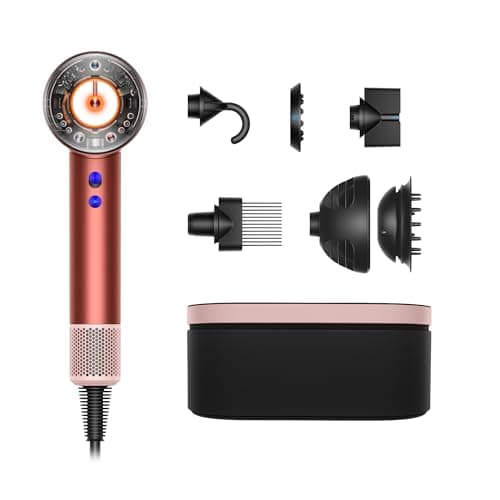
For Fine Hair
The Best Hair Tools for Fine Hair in 2026
One pick per category for fine hair, and the tool we would not choose.
Updated September 2026 · Sawyer V.
Published specs · Real running costs · One pick we’d skip
Section
Almost every buying mistake in this category is a hair-type mismatch. These pages route you to the right roundup rather than repeating it.
Updated September 2026 · Sawyer V.
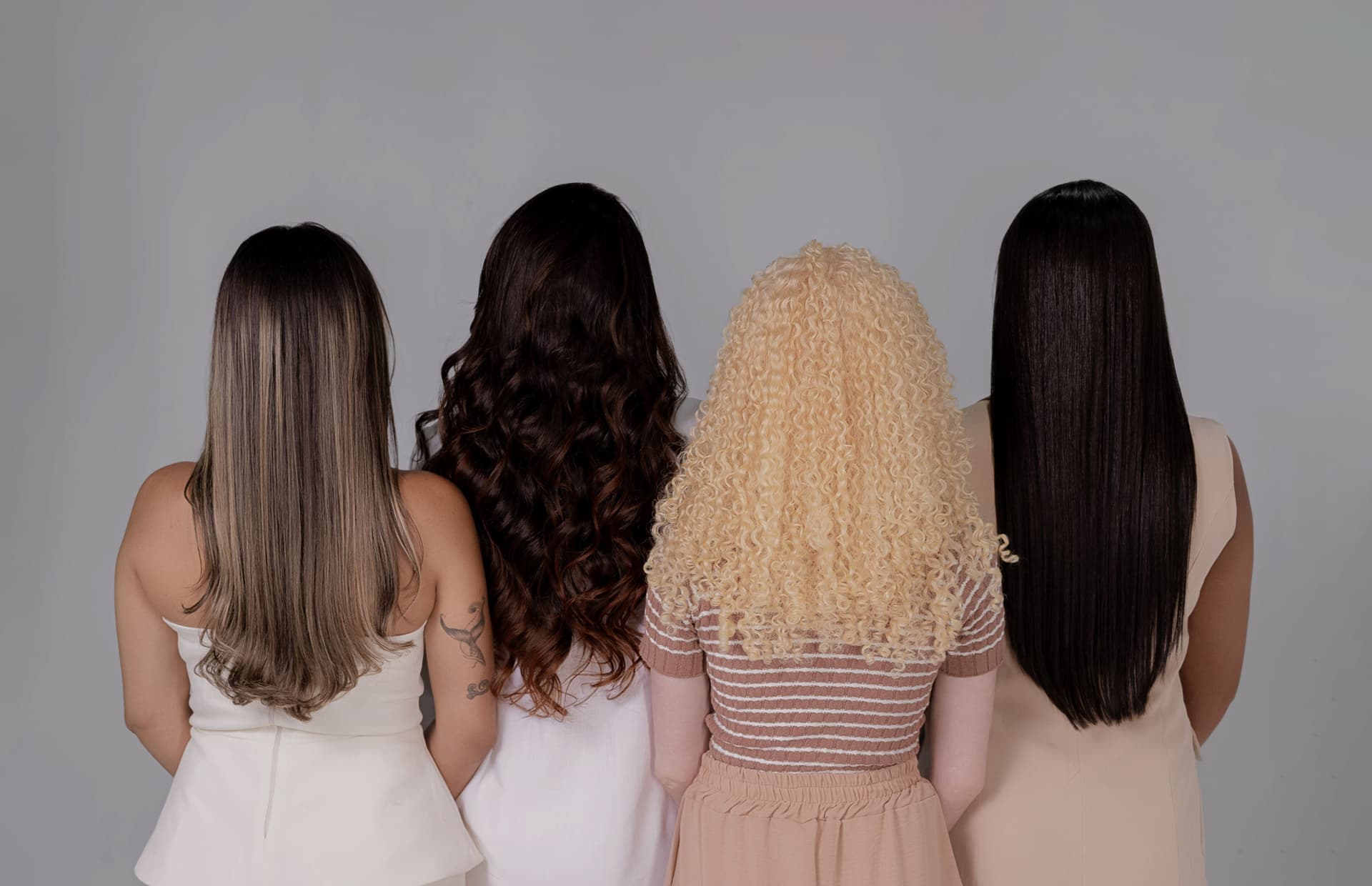
Your hair type decides which specification matters. Fine hair needs a genuinely low heat setting. Curly hair needs a diffuser and airflow it can control. Thick hair needs sustained power. Coily hair needs even, consistent heat and tension. Buy for the wrong one and no amount of money fixes it.
We earn a commission if you buy through the links on this page, at no extra cost to you. It never changes which tool we pick or which one we tell you to skip. How this site is funded.
For Fine Hair
One pick per category for fine hair, and the tool we would not choose.
Updated September 2026 · Sawyer V.
For Curly Hair
One pick per category for curls, and the tool we would not choose.
Updated September 2026 · Sawyer V.
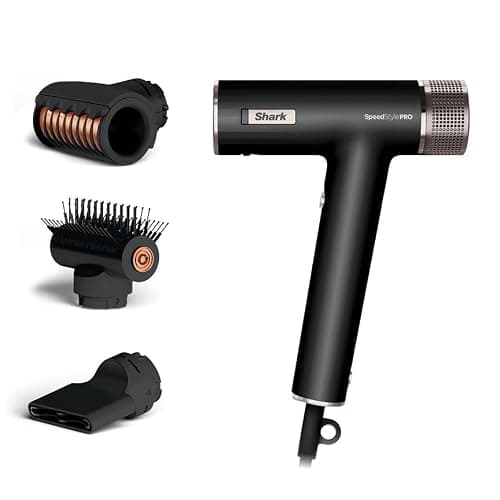
For Thick Hair
One pick per category for dense hair, and the flagship we would not choose for it.
Updated September 2026 · Sawyer V.
For 4C Hair
One pick per category for coily hair, and the tool we would not choose.
Updated September 2026 · Sawyer V.
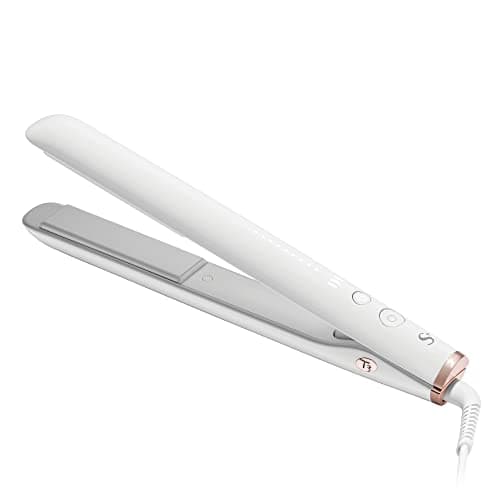
For Short Hair
Precision-first picks for short hair, and the tool that fights a bob.
Updated September 2026 · Sawyer V.
For Wavy Hair
One pick per category for waves, and the tool that flattens them.
Updated September 2026 · Sawyer V.
For Frizzy Hair
One pick per category for frizz, and how to tell which kind you have.
Updated September 2026 · Sawyer V.
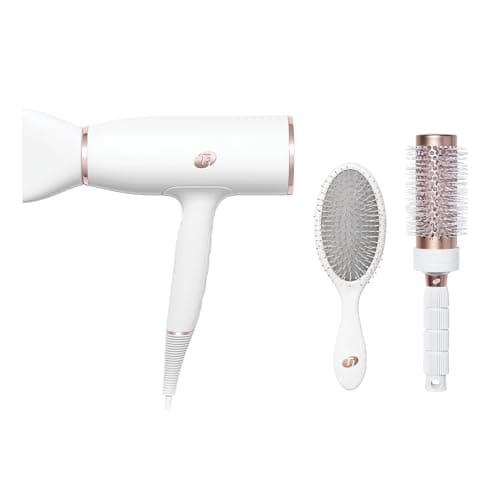
For Color-Treated Hair
One pick per category for dyed hair, chosen on how far down the heat goes.
Updated September 2026 · Sawyer V.
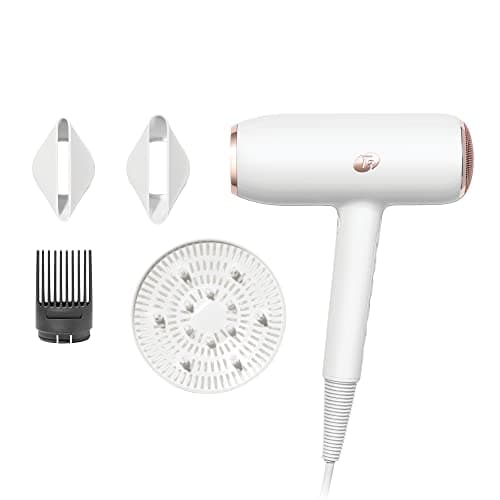
For Long Hair
One pick per category for length, chosen on weight and coverage per pass.
Updated September 2026 · Sawyer V.
For Porosity
What porosity measurably changes, and the one specification it should move.
Updated September 2026 · Sawyer V.
For Damaged Hair
One pick per category for compromised hair, and the free changes that beat all of them.
Updated September 2026 · Sawyer V.
For a Bob
1 inch plates, small barrels and light dryers, for chin to collarbone.
Updated September 2026 · Sawyer V.
For Gray Hair
Tools with a published floor and real headroom, for hair that is coarse and shows damage.
Updated September 2026 · Sawyer V.
When we went through the real search queries in this category, 189 of 804 carried a hair-type modifier. People do not search “best hair dryer.” They search best hair dryer for fine hair, for 4C hair, for thick hair, for frizzy hair. And then they land on a page that mentions hair type in a paragraph near the bottom and ranks the same five products it would have ranked anyway.
Eight of the ten ranking pages we examined mention hair type. None of them is organized around it. That gap is the reason this site exists in the shape it does.
Each hair-type page here is a router, not a duplicate. It explains what your hair type actually needs from a tool and why, then sends you to the roundup in each tool category that covers it. What it does not do is restate the roundup — that would put two of our own pages in competition for the same search and serve nobody.
So the fine hair page tells you why heat settings and weight matter disproportionately for fine hair, and links to the fine-hair dryers, the fine-hair flat irons, the fine-hair brushes and the fine-hair curling irons. Each of those carries the specs, the running costs and the pick we would skip.
Two different things get called hair type and it is worth separating them, because the tool implications are different.
If you take one thing from this: buy for your texture, size for your density, choose attachments for your curl pattern. Most bad purchases in this category get one of those three crossed with another.
Fine and coily hair, or fine and dense hair, are common combinations that fall between the categories most publishers write to. A page aimed at “thick hair” assumes coarse strands and recommends high heat; a page aimed at “fine hair” assumes low density and recommends a low-power tool that will take an hour to get through your hair. If you are in that gap, read both the texture advice and the density advice on your page and prioritize the texture — heat tolerance is the constraint you cannot argue with.
Roll a single clean strand between your fingers. If you can barely feel it, your texture is fine; if it feels like thread, it is coarse. Density is separate: it is how much hair you have, not how thick each strand is. Curl pattern is a third axis on top of both.
Both. Settings matter most for texture, since fine strands heat through faster. Power and airflow matter most for density. Attachments matter most for curl pattern, which is why a diffuser is essential on curls and useless on straight hair.
Prioritize the fine-hair heat guidance, because heat tolerance is set by strand thickness and you cannot negotiate with it. Then choose a tool with enough airflow for the volume, so you are not compensating for a weak tool with a higher setting.