Shop by Hair Type
The Best Hair Tools for Fine Hair in 2026
Fine hair reaches temperature faster than any other type. Every recommendation below follows from that one fact.
Updated September 2026 · Sawyer V.
Fine hair needs the lowest usable heat setting in every tool category, and the lightest tool you can find, because sessions run long. Wattage is the wrong headline number: the most expensive tools publish the lowest wattages, and that is exactly why they suit fine hair.
We earn a commission if you buy through the links on this page, at no extra cost to you. It never changes which tool we pick or which one we tell you to skip. How this site is funded.
What fine actually means
Fine describes the thickness of an individual strand, not how much hair you have. It is entirely separate from density, and confusing the two is the single most common reason people buy the wrong tool.
A fine strand has less mass. Less mass means it reaches a given temperature faster and holds less water to buffer against it. The same two seconds a coarse strand shrugs off is a longer effective exposure on a fine one — which is why the temperature guidance on the temperature page says fine hair should start below the general-purpose number rather than at it.
Fine and dense at the same time
This combination is common and genuinely confusing: your hair looks thick and behaves fragile, so pages written for “thick hair” recommend heat you cannot take, and pages written for “fine hair” recommend tools that take an hour to get through your hair.
The resolution is to prioritize texture for heat and density for power. Heat tolerance is set by strand thickness and you cannot negotiate with it, so take the fine-hair temperature guidance. Then choose a tool with enough airflow for the volume, so you are not compensating for a weak tool by turning the heat up. If that describes you, read the thick-hair dryers page for the power side and apply the temperatures from this one.
The three things that matter most
- Heat-setting count. More steps means a lower reachable low. This is the specification we weight above everything else for fine hair.
- A genuine cool shot. Fine hair holds the shape it cools into and drops the shape it was released from while warm. This is why your blow-dry falls by lunch and why the cool button is not a gimmick.
- Weight. Fine hair means small sections and long sessions. The spread across our registry runs from a published 11.1 oz to 1.8 lb, and held at head height that is the whole experience.
Where to go from here
Every category, for fine hair
| Tool | The page |
|---|---|
| Hair dryers | Best hair dryers for fine hair |
| Flat irons | Best flat irons for fine hair |
| Blow-dry brushes | Best blow-dry brushes for fine hair |
| Air stylers | Best multi-stylers for fine hair |
| Curling irons | Best curling irons for fine hair |
Each of those carries the full spec blocks, running costs and a pick we would skip.
- Best hair dryers for fine hair
- Best flat irons for fine hair
- Best blow-dry brushes for fine hair
- Best multi-stylers for fine hair
- Best curling irons for fine hair
Price per use, at 5 uses a week over 5 years
| What you pay | Cost per use | Cost per year |
|---|---|---|
| $30 | $0.02 | $6.00 |
| $60 | $0.05 | $12.00 |
| $100 | $0.08 | $20.00 |
| $150 | $0.12 | $30.00 |
| $200 | $0.15 | $40.00 |
| $300 | $0.23 | $60.00 |
| $400 | $0.31 | $80.00 |
| $500 | $0.38 | $100.00 |
5 uses a week for 5 years is 1300 uses. Both figures are stated assumptions, not measurements — halve the life and every cost per use doubles. We publish the ladder rather than a worked example for one specific product because a price we typed into a sentence would be wrong within a week.
Quick picks
Tap any row to jump to the full write-up. Prices come from the live price layer; where none is available the button says so rather than showing a number we cannot stand behind.
| # | Product | Best for | Price |
|---|---|---|---|
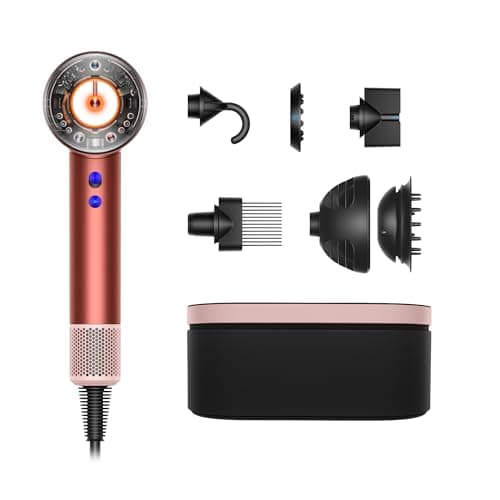
| 1 | Dyson Supersonic hair dryer Four heat settings plus a cold shot on the lowest published wattage of any conventional dryer here. | Everyday drying with a real low end | |
| 2 | 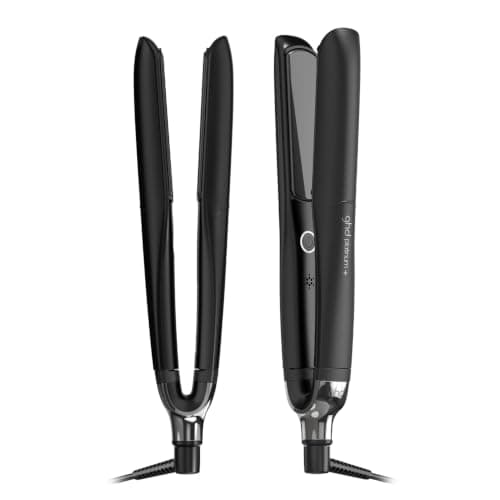 ghd Platinum+ flat iron (1 inch plate) One fixed temperature at 365°F, below the published melting point of dry hair keratin, with no way to overshoot. | Anyone who turns the dial up when a pass fails | |
| 3 | 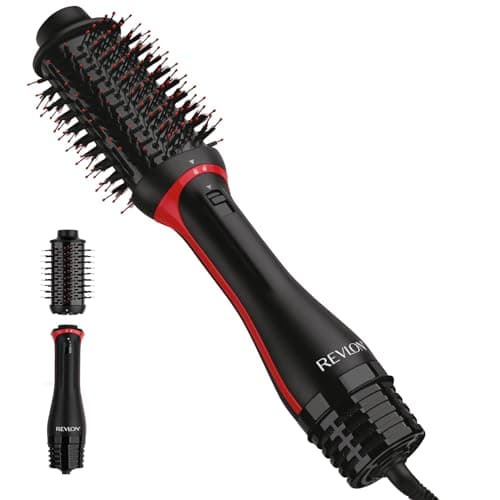 Revlon One-Step Volumizer Plus hair dryer and hot air brush Four heat settings including cool, and volume at the root — which is what fine hair is missing. | The flatness problem, which is fine hair's actual complaint | |
| 4 | 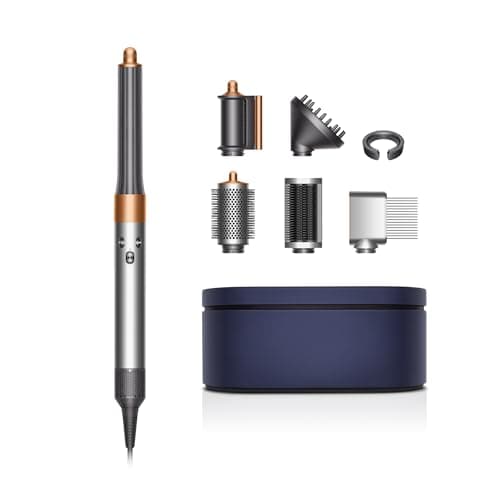 Dyson Airwrap multi-styler (Complete Long) 1,300 W and no heated plate touching the hair — the gentlest powered way to put a curl in fine hair. | Curling without a clamped barrel | |
| — | 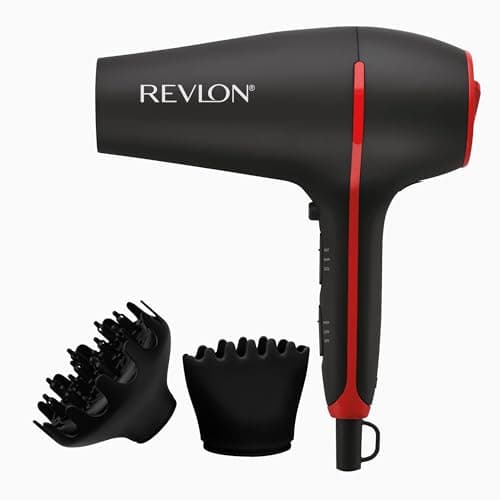 Revlon SmoothStay Coconut Oil-Infused hair dryer 1,875 W divided into three heat settings — the most power and the fewest places to put it. We’d skip this | Not fine hair |
1. The dryer
Dyson Supersonic hair dryer
Best for: Everyday drying with a real low end
Four heat settings plus a cold shot on the lowest published wattage of any conventional dryer here.
Fine hair is damaged by heat before it is damaged by anything else, so the row to check on a dryer is how low the low setting goes. Four heat steps plus a dedicated cold shot, on 1,600 W, is the best combination of granularity and restraint we can document.
Full reasoning, alternatives and the one we would skip are on the best hair dryers for fine hair.
What’s wrong with it
The heaviest dryer in our registry at a published 1.8 lb, which on a long session on fine hair is a real cost.
Published specifications — Dyson Supersonic hair dryer
| Wattage | 1,600 W |
|---|---|
| Heat settings | 4 heat settings, including a cold shot |
| Speed settings | 3 speed settings |
| Weight | 1.8 lb |
| Cord length | 8.6 ft |
| Noise (dB) | Not published |
| Attachments | 3 — styling concentrator, diffuser, wide-tooth comb |
| Plate / barrel | Air-multiplier body; no heated styling surface |
| Dual voltage | No — 120 V |
| Warranty | 2-year limited warranty |
Every figure above is taken from Dyson — Supersonic hair dryer product page. “Not published” means the figure does not appear on that page — it is not an estimate withheld, it is a number the manufacturer does not state. How we compile these.
What it costs to run for a year
$19.07 a year
1,600 W × 65 hours a year = 104.0 kWh, at 18.34 cents per kilowatt-hour. The hours assume 15 minutes a session, 5 days a week — that is an assumption, not a measurement, so swap in your own if it is wrong.
2. The flat iron
ghd Platinum+ flat iron (1 inch plate)
Best for: Anyone who turns the dial up when a pass fails
One fixed temperature at 365°F, below the published melting point of dry hair keratin, with no way to overshoot.
The way fine hair usually gets damaged is a habit, not an accident: turning the heat up because the first pass did not take. An iron with no dial removes the habit.
365°F sits roughly thirty-six degrees below the 401°F melting point that published DSC work reports for the ordered keratin in dry hair. Alternatives and the reasoning are on the fine-hair irons page.
What’s wrong with it
You cannot go below 365°F either, and very damaged fine hair might want to. No published wattage or weight.
Published specifications — ghd Platinum+ flat iron (1 inch plate)
| Wattage | Not published |
|---|---|
| Heat settings | One fixed temperature — 365°F |
| Speed settings | Not applicable |
| Weight | Not published |
| Cord length | 9 ft power cable |
| Noise (dB) | Not applicable |
| Attachments | None supplied |
| Plate / barrel | Precision-milled floating high-gloss plates, 1 in |
| Dual voltage | Yes — universal voltage |
| Warranty | 3-year warranty |
Every figure above is taken from ghd — Platinum+ flat iron (1 inch plate) product page. “Not published” means the figure does not appear on that page — it is not an estimate withheld, it is a number the manufacturer does not state. How we compile these.
What it costs to run for a year
ghd does not publish a wattage for this tool, so there is nothing honest to compute. The formula is watts ÷ 1,000 × hours a year × your rate per kWh; if you find a rating plate on the handle, 65 hours a year and 18.34 cents per kilowatt-hour will get you the rest of the way.
3. The blow-dry brush
Revlon One-Step Volumizer Plus hair dryer and hot air brush
Best for: The flatness problem, which is fine hair's actual complaint
Four heat settings including cool, and volume at the root — which is what fine hair is missing.
Fine hair’s most common complaint is not damage, it is that it goes flat. A hot air brush lifts at the root while it dries, which is the one thing a flat iron actively works against.
The cool setting matters more here than anywhere: hair sets in the shape it cools into, so finishing cool is what makes volume last past lunchtime. More at brushes for fine hair.
What’s wrong with it
Revlon publishes no wattage, weight, cord length or speed count for it, so several rows of the spec block are simply unavailable.
Published specifications — Revlon One-Step Volumizer Plus hair dryer and hot air brush
| Wattage | Not published |
|---|---|
| Heat settings | 4 heat settings — low, medium, high, cool |
| Speed settings | Not published |
| Weight | Not published |
| Cord length | Not published |
| Noise (dB) | Not published |
| Attachments | Detachable brush head |
| Plate / barrel | Ceramic titanium barrel; tourmaline ionic |
| Dual voltage | Not published |
| Warranty | 4-year limited warranty |
Every figure above is taken from Revlon Hair Tools — One-Step Volumizer Plus product page. “Not published” means the figure does not appear on that page — it is not an estimate withheld, it is a number the manufacturer does not state. How we compile these.
What it costs to run for a year
Revlon does not publish a wattage for this tool, so there is nothing honest to compute. The formula is watts ÷ 1,000 × hours a year × your rate per kWh; if you find a rating plate on the handle, 65 hours a year and 18.34 cents per kilowatt-hour will get you the rest of the way.
4. The air styler
Dyson Airwrap multi-styler (Complete Long)
Best for: Curling without a clamped barrel
1,300 W and no heated plate touching the hair — the gentlest powered way to put a curl in fine hair.
If you curl fine hair regularly, an air styler is the mechanism worth paying for: the shape sets as damp hair dries around the barrel rather than being pressed in by a clamped surface.
1,300 W is the lowest mains rating anywhere in our registry. The full picture, including whether the price makes sense at your usage rate, is at air stylers for fine hair.
What’s wrong with it
The most expensive tool on this site, 120 V only, and slow on fine hair that is also dense.
Published specifications — Dyson Airwrap multi-styler (Complete Long)
| Wattage | 1,300 W |
|---|---|
| Heat settings | 3 heat settings |
| Speed settings | 3 speed settings |
| Weight | 1.4 lb |
| Cord length | 8.5 ft |
| Noise (dB) | Not published |
| Attachments | Curling barrels, smoothing brushes, round volumizing brush, drying nozzle |
| Plate / barrel | Coanda airflow barrels; no clamped heat plate |
| Dual voltage | No — 120 V |
| Warranty | 2-year limited warranty |
Every figure above is taken from Dyson — Airwrap Complete Long product page. “Not published” means the figure does not appear on that page — it is not an estimate withheld, it is a number the manufacturer does not state. How we compile these.
What it costs to run for a year
$15.50 a year
1,300 W × 65 hours a year = 84.5 kWh, at 18.34 cents per kilowatt-hour. The hours assume 15 minutes a session, 5 days a week — that is an assumption, not a measurement, so swap in your own if it is wrong.
The one we'd skip
Revlon SmoothStay Coconut Oil-Infused hair dryer
Best for: Not fine hair
1,875 W divided into three heat settings — the most power and the fewest places to put it.
The highest published wattage in our registry, split into the fewest heat steps of any dryer we list. The practical low setting on a tool like that sits higher than the low setting on a four-or-five-step tool, because the range is being divided into fewer pieces from a higher ceiling.
Revlon also publishes no weight, cord length, voltage or warranty for it. On the hair type whose defining constraint is heat tolerance, buying a tool where the relevant rows are unavailable is not a saving.
What’s wrong with it
Highest wattage, fewest heat settings, and four blank rows in the spec block on the hair type that most needs to check them.
Published specifications — Revlon SmoothStay Coconut Oil-Infused hair dryer
| Wattage | 1,875 W |
|---|---|
| Heat settings | 3 heat settings |
| Speed settings | 2 speed settings |
| Weight | Not published |
| Cord length | Not published |
| Noise (dB) | Not published |
| Attachments | Not published |
| Plate / barrel | 1 in grill, triple-coated ceramic; tourmaline ionic |
| Dual voltage | Not published |
| Warranty | Not published |
Every figure above is taken from Revlon Hair Tools — SmoothStay Coconut Oil-Infused hair dryer. “Not published” means the figure does not appear on that page — it is not an estimate withheld, it is a number the manufacturer does not state. How we compile these.
What it costs to run for a year
$22.35 a year
1,875 W × 65 hours a year = 121.9 kWh, at 18.34 cents per kilowatt-hour. The hours assume 15 minutes a session, 5 days a week — that is an assumption, not a measurement, so swap in your own if it is wrong.
Questions people actually ask
What hair tools are best for fine hair?
Whichever tool in each category has the lowest usable heat setting and the lightest published weight. Heat-setting count matters more than wattage, and the most expensive tools generally publish the lowest wattages — which is exactly why they suit fine hair.
My hair is fine but there is a lot of it. Which advice applies?
Take the fine-hair temperature guidance, because heat tolerance is set by strand thickness and cannot be negotiated. Then pick a tool with enough airflow for the volume, so you are not compensating for a weak tool with a higher setting.
Why does my fine hair not hold a style?
Most often because it was released while still warm. Hair sets in the shape it cools into, and fine hair cools faster than most people expect. A cool shot at the end of each section does more than any product.