Guide
The Best Flat Iron Temperature by Hair Type
Manufacturer settings against published keratin science — and the number irons exceed.
Updated September 2026 · Sawyer V.
Published specs · Real running costs · One pick we’d skip
Section
The section with no buy button at the top. These pages answer the question first, and link to a tool only where a tool is the answer.
Updated September 2026 · Sawyer V.
Heat damage is permanent structural change to the keratin in your hair. Conditioners and bond-repair products can improve how damaged hair looks and behaves, but they do not restore the original structure. The only true fix is growing it out and cutting it off — which is exactly why the temperature you use matters more than the tool you buy.
We earn a commission if you buy through the links on this page, at no extra cost to you. It never changes which tool we pick or which one we tell you to skip. How this site is funded.
Guide
Manufacturer settings against published keratin science — and the number irons exceed.
Updated September 2026 · Sawyer V.
Guide
The honest answer, plus a peer-reviewed caution about how repair claims are made.
Updated September 2026 · Sawyer V.
Guide
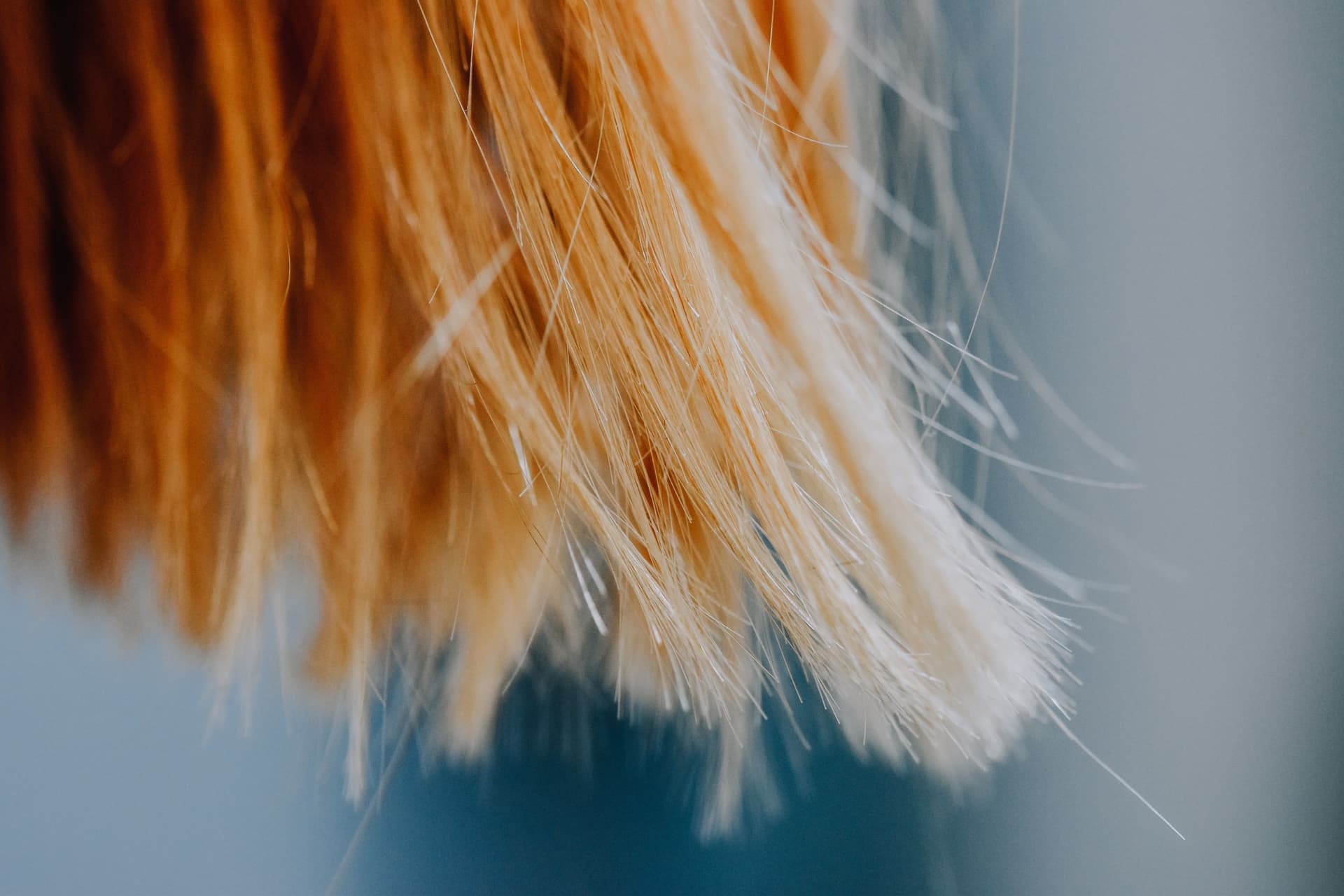
Eight checks, and how to tell heat damage from the things people mistake for it.
Updated September 2026 · Sawyer V.
Guide
Why there is no safe number, and the change that reduces damage most.
Updated September 2026 · Sawyer V.
Guide
What protectant does, how to apply it, and the mistake most people make.
Updated September 2026 · Sawyer V.
Guide
Why air drying is a trade rather than a free win, and how to do it better.
Updated September 2026 · Sawyer V.
Lowest Heat
The lowest-heat tools in our registry, ranked on published figures.
Updated September 2026 · Sawyer V.
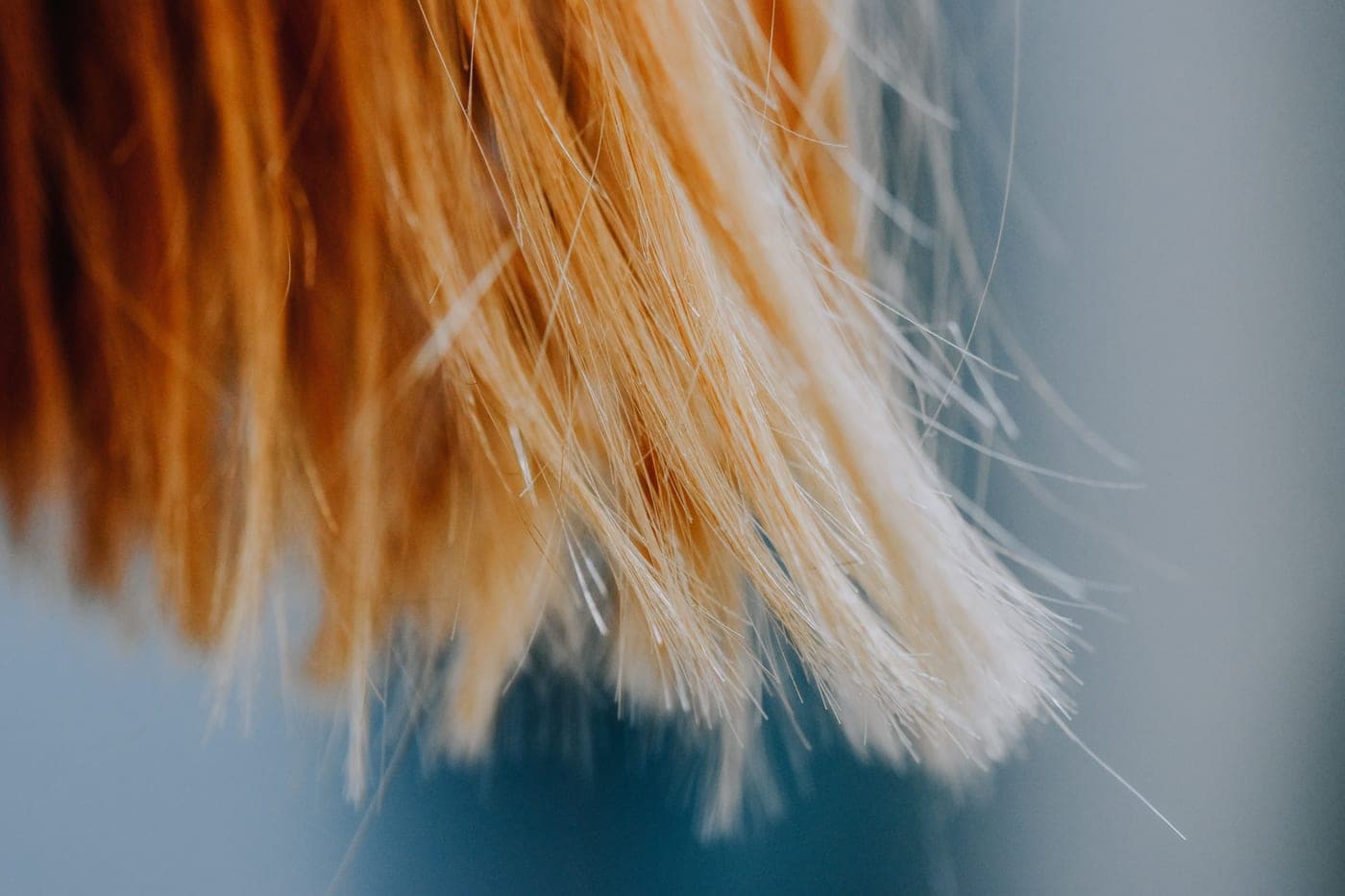
Guide
Why bleached hair starts a session pre-damaged, and what to change about temperature.
Updated September 2026 · Sawyer V.
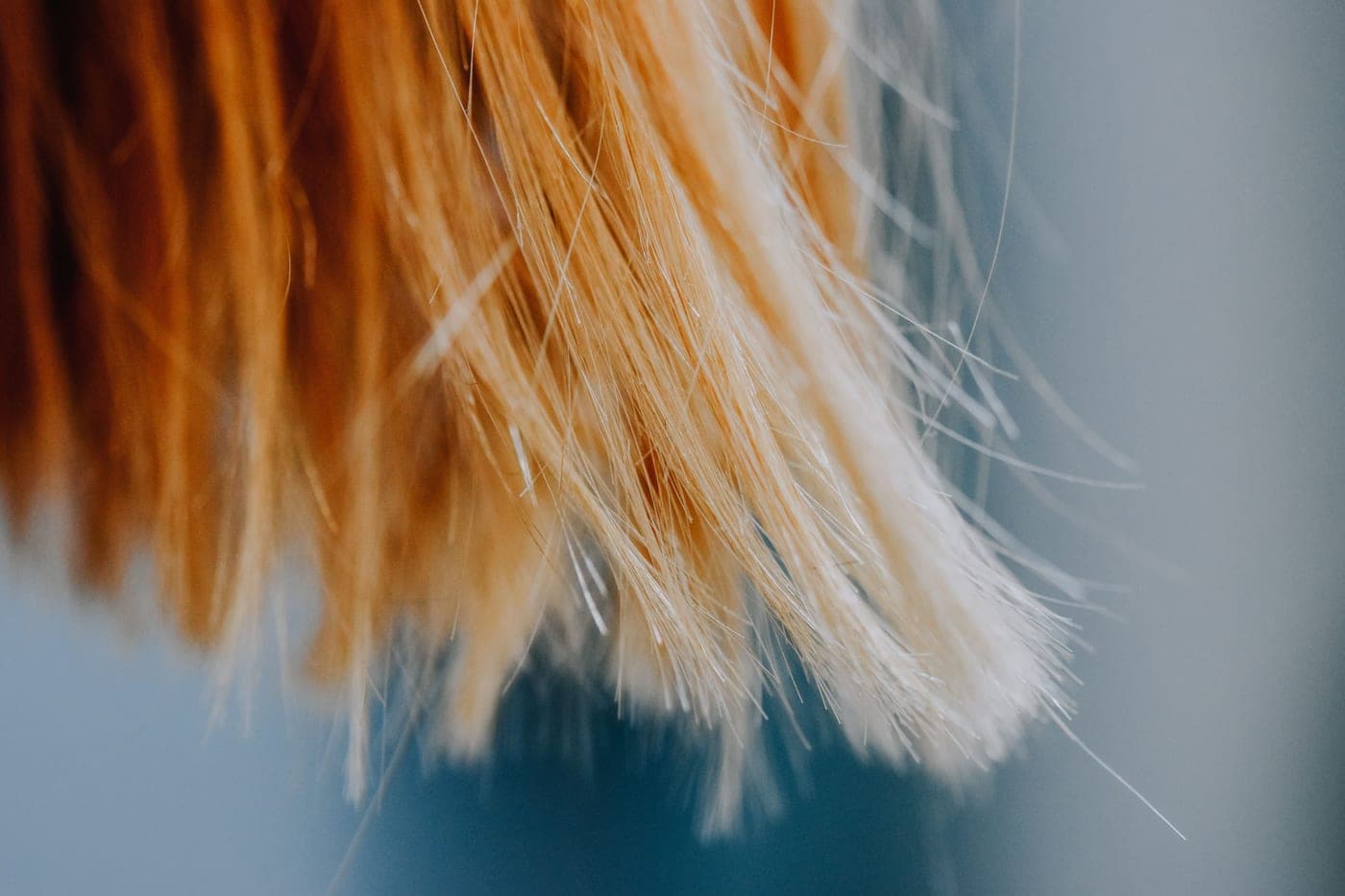
Guide
Why the ends are the weak point, what combing does, and why nothing repairs a split.
Updated September 2026 · Sawyer V.

Guide
The steam mechanism, the condition it causes, and how dry is dry enough.
Updated September 2026 · Sawyer V.
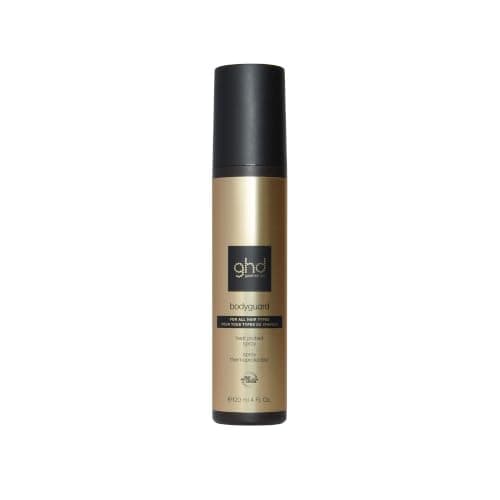
Best Heat Protectant
What the research supports, what no brand publishes, and how to choose anyway.
Updated September 2026 · Sawyer V.
Guide
Why curl pattern is lost, whether it returns, and how to tell damage from dryness.
Updated September 2026 · Sawyer V.
Guide
Why coily hair is more vulnerable, and the intervention that matters most.
Updated September 2026 · Sawyer V.
Guide
The reversion test, what causes it, and the honest answer about repair.
Updated September 2026 · Sawyer V.
Every other hub on this site opens with picks, prices and a way to buy. This one does not, and the omission is deliberate. Somebody searching whether heat damaged hair can be repaired is worried, not shopping, and putting a product button above that answer would be taking advantage of the moment. These pages answer first. Where a tool genuinely is part of the answer, we link to it in the body, at the point where it stops being a sales pitch and starts being useful.
It costs us money to structure the section this way. That is the reason to trust it more than the equivalent page on a site that does not.
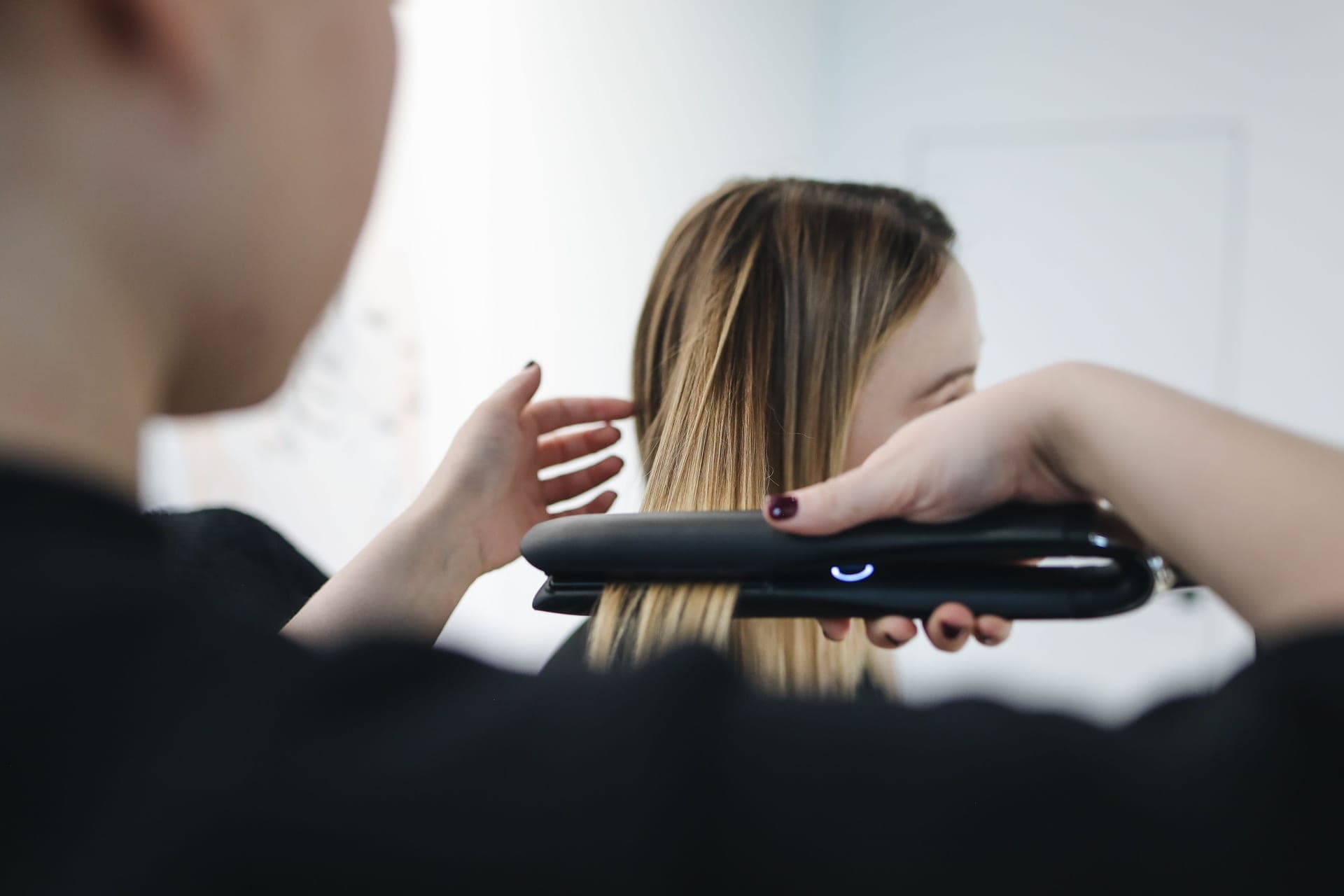
Hair is dead keratin protein wrapped in a cuticle of overlapping scales. Heat styling works because heat and tension temporarily break and reform the hydrogen bonds that hold hair in its shape — that is the mechanism behind a blow-dry holding until you next wash it. Past a certain temperature the change stops being temporary: the keratin itself denatures, the cuticle scales lift and crack, and moisture escapes far more easily afterwards.
The practical consequence is that damaged hair is not damaged cosmetically. It is structurally different, it will not recover on its own, and it never fully closes again. That is why our page on repair spends most of its length on what “repair” is actually being claimed by the products that use the word.
This is the part of the category almost nobody points out. ghd sells the Platinum+ with a single fixed temperature and no dial at all: 365°F. Dyson tells Corrale owners to begin at a medium heat, 365°F, and adjust from there. Two companies with no reason to under-sell their own products both converge on the mid-300s for typical hair.
Meanwhile plenty of irons dial up past 450°F, and people use those settings because the higher number is available and the first pass did not take. The gap between what makers recommend and what their hardware permits is the single most actionable thing on this site. The full breakdown by hair type is in the flat iron temperature table.
We will not attach a number to a health claim we cannot cite. We will not tell you a product repairs hair when what it does is coat and smooth it. And where the honest answer to a question is “the published evidence does not settle this,” the page says that instead of filling the gap with confident prose. There is a recurring search in this category asking whether ionic dryers cause cancer; we address what is and is not established about ionic output on the ionic page and decline to offer reassurance we cannot source.
Not structurally. Bond-building and protein treatments can meaningfully improve how damaged hair looks, feels and behaves, but the keratin that has been denatured does not return to its original state. Hair grows out; damaged length gets cut off.
Lower than most irons allow. ghd fixes the Platinum+ at 365 degrees Fahrenheit with no dial, and Dyson names 365 as the starting point for the Corrale. Fine, fragile or already-damaged hair should start below that and only go up if one pass genuinely is not working.
Air drying avoids heat but leaves hair swollen with water for longer, which has its own effects on the cuticle. It is not automatically the gentler option, and the honest answer depends on your hair.
There is no universal number, and any page that gives you one is guessing. What is clear is that total exposures matter more than any single session, so reducing frequency is the most effective change available to most people.