Heat Damage & Protection
Does Air Drying Damage Hair?
Air drying is not automatically the gentle option, and the reason is the same physics that makes damp ironing so bad.
Updated September 2026 · Sawyer V.
Air drying avoids heat entirely, which is a genuine benefit. It also keeps hair swollen with water for far longer, and wet hair is mechanically weaker and more vulnerable to handling. Neither approach is universally gentler — the answer depends on your hair and what you do while it dries.
We earn a commission if you buy through the links on this page, at no extra cost to you. It never changes which tool we pick or which one we tell you to skip. How this site is funded.
The case for air drying
It is straightforward: no heat, no heat damage. Everything on the rest of this site about temperature, passes and denaturation is irrelevant if the tool is never switched on. For hair that is already damaged, that is a meaningful thing.
It also costs nothing to run, which — given that even the most power-hungry dryer we list costs about $22 a year — is not much of an argument, but it is true.
The case against, which nobody makes
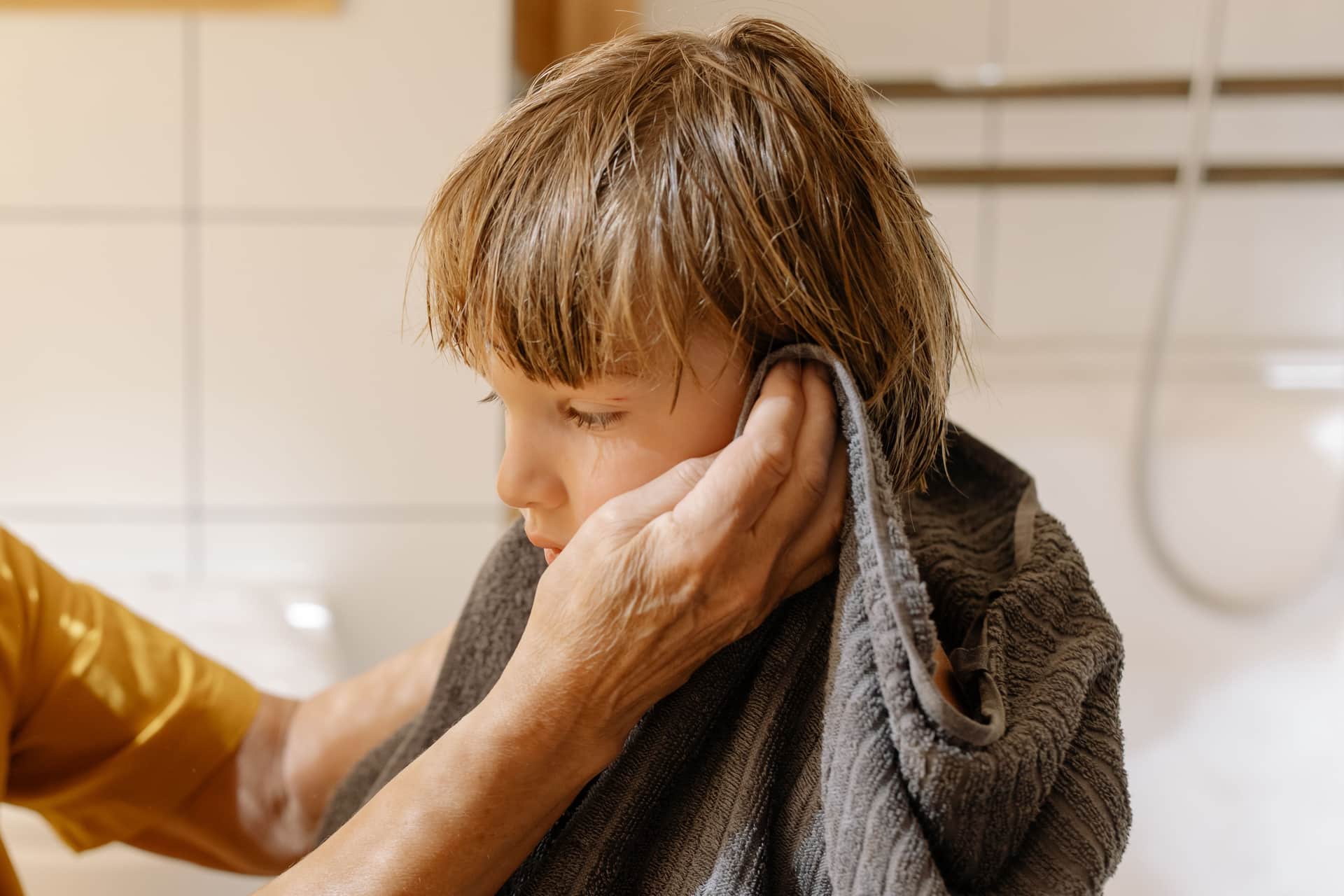
Wet hair is in a different physical state from dry hair. Water swells the fiber, the cuticle scales lift, and hair in that condition is mechanically weaker and more easily damaged by handling — brushing, tying, sleeping on it, rubbing it with a towel.
The moisture dependence is not a vague claim, either. Cao and Leroy measured the melting temperature of alpha-form crystallites falling from 205°C in dry hair to 155°C at 23% moisture content. That paper is about heat, but the underlying point is broader: hair with water in it behaves differently from hair without.
So the honest framing is a trade rather than a free win. Air drying swaps a short period of high heat for a long period in a swollen, vulnerable state. Which is worse depends on your hair, and on what you do to it while it is wet.
Curly hair, specifically
Air drying is frequently the better option for curls, but the reason is not really about damage. It is that airflow disrupts a drying curl and sets it as frizz — which is why a diffuser exists at all.
The complication is that curly hair takes the longest to air dry, so it spends the longest in that swollen state. If you air dry curls, the thing that matters most is not touching them: cup and hold, do not rake, and leave them alone until they are dry. Handling wet curls is doing more harm than the drying method is.
If you do want to speed it up, a diffuser on low is the compromise most curly-haired people land on.
How to air dry better
- Squeeze with a towel, never rub. Rubbing wet hair with a terry towel is abrasion on a lifted cuticle. Squeeze, or use a microfibre towel or a cotton shirt.
- Do not brush it wet unless it is curly and you are detangling with conditioner in. Use a wide-tooth comb, and start from the ends.
- Do not tie it up wet. An elastic on swollen hair creates a stress point exactly where it will eventually break.
- Do not sleep on it wet. Hours of friction against a pillow, at the point of maximum vulnerability.
- Consider drying to eighty percent, then stopping. The last twenty percent takes the longest and this halves the vulnerable window.
The middle option most people should take
Rough-dry to about eighty percent on a low heat and low speed setting, then let it finish on its own. You get a much shorter wet-and-swollen window and far less heat than a full blow-dry, and for most hair types that is the sensible compromise between the two positions.
Where a dryer genuinely helps is having a low enough setting to do that. Four heat settings and a cold shot is a different tool from high and low — the dryers with real low ends.
The tools on this page
Prices come from the live price layer. Where none is available the button says so rather than showing a number we cannot stand behind.
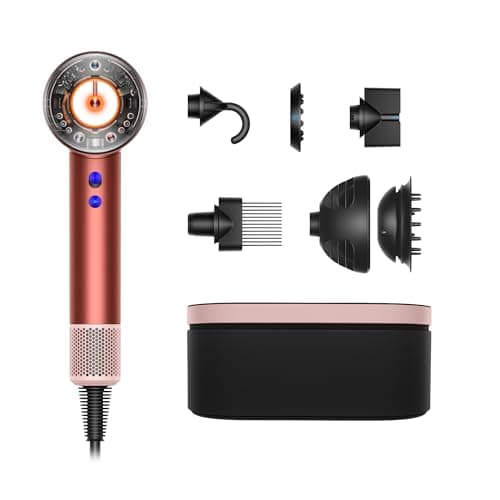
Dyson Supersonic hair dryer
1,600 W is less power than a drugstore dryer draws, and Dyson publishes that openly — the pitch is airflow and heat control, not wattage.
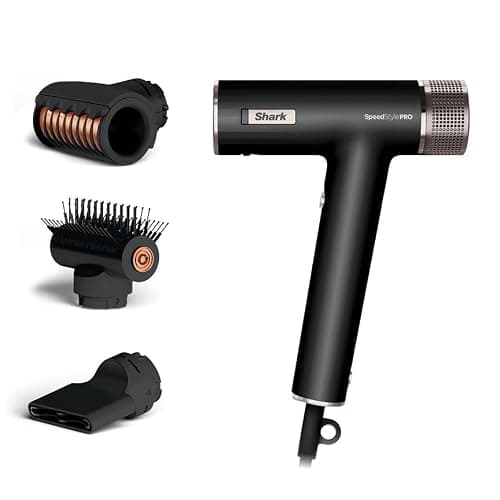
Shark SpeedStyle Pro hair dryer
The highest published wattage of the premium dryers here and the most attachments in the box, at a fraction of Dyson's asking price.
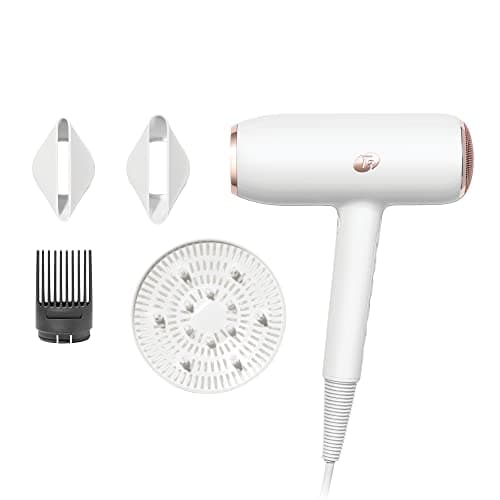
T3 Featherweight StyleMax professional hair dryer
Fifteen heat-and-speed combinations and the lightest published weight of the corded dryers here — but T3 does not publish a wattage figure at all.
Questions people actually ask
Does air drying damage hair?
It avoids heat, which is a genuine benefit, but it keeps hair swollen with water for far longer. Wet hair is mechanically weaker and more vulnerable to handling, so air drying is a trade rather than a free win.
Is air drying better than blow drying?
Not universally. Air drying avoids heat; blow drying shortens the period during which hair is swollen and vulnerable. For most hair the sensible middle is rough-drying to about eighty percent on a low setting and letting it finish naturally.
Does air drying damage curly hair?
Air drying is often better for curls, though the main reason is frizz rather than damage — airflow disrupts a drying curl and sets it frizzy. Curly hair also takes longest to air dry, so not handling it while wet matters more than the method.
Should I sleep with wet hair?
No. Hours of friction against a pillow while hair is swollen and the cuticle is lifted is one of the more avoidable ways to damage it. Dry to at least eighty percent first.