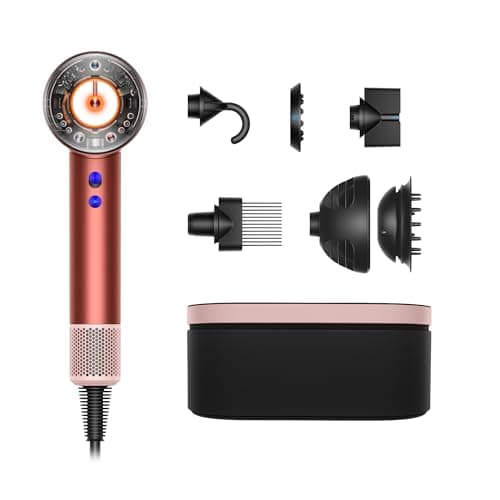
Dyson
Dyson Hair Tools: The Line-Up, and What We'd Buy
The full Dyson line-up on published specs, and the one we would buy.
Updated September 2026 · Sawyer V.
Published specs · Real running costs · One pick we’d skip
Section
Brands differ less in what they build than in what they are willing to tell you. That turns out to be a useful way to sort them.
Updated September 2026 · Sawyer V.

Dyson and Shark publish wattage, weight, cord length and voltage on every product page. T3 publishes weight, cord and voltage but no wattage anywhere. Revlon publishes a wattage and a warranty and very little else. That difference tells you something before you compare a single feature.
We earn a commission if you buy through the links on this page, at no extra cost to you. It never changes which tool we pick or which one we tell you to skip. How this site is funded.
Dyson
The full Dyson line-up on published specs, and the one we would buy.
Updated September 2026 · Sawyer V.
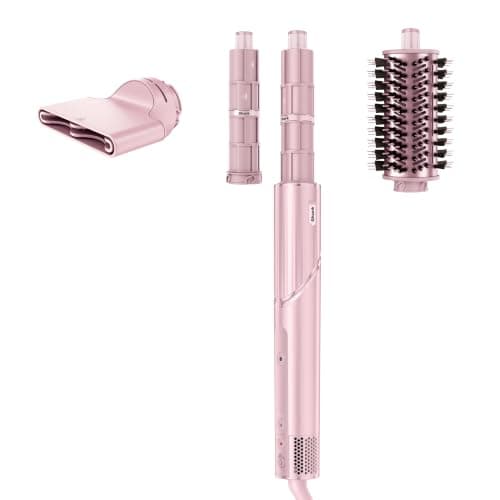
Shark
The Shark line-up on published specs, and the row they leave blank.
Updated September 2026 · Sawyer V.
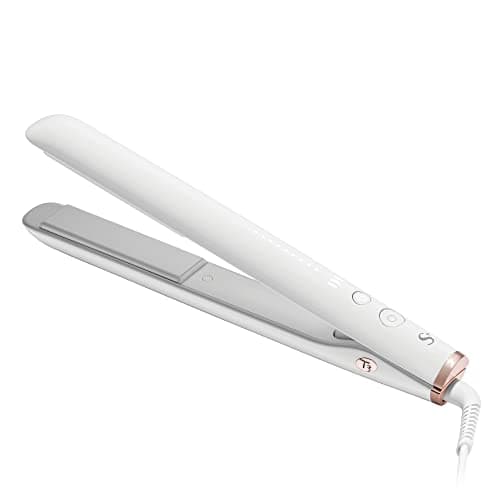
T3
Nine heat settings, real dual voltage, and one figure they never publish.
Updated September 2026 · Sawyer V.
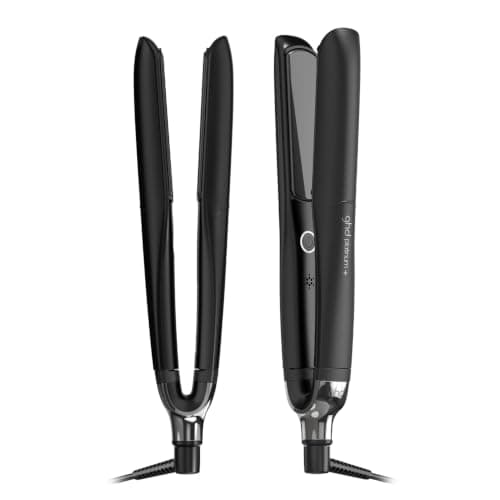
ghd
The fixed-365°F philosophy, where it works and where it does not.
Updated September 2026 · Sawyer V.
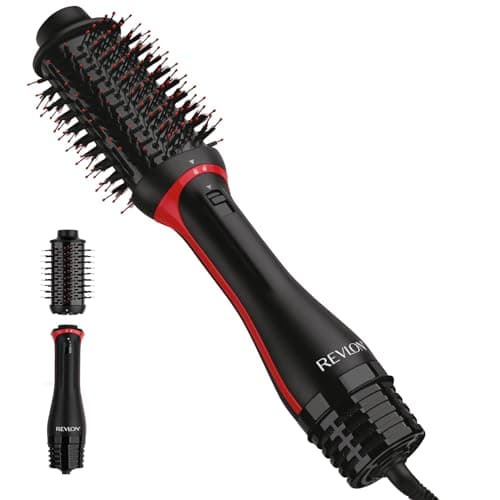
Revlon
Highest wattage, longest warranty, thinnest disclosure — the drugstore trade.
Updated September 2026 · Sawyer V.
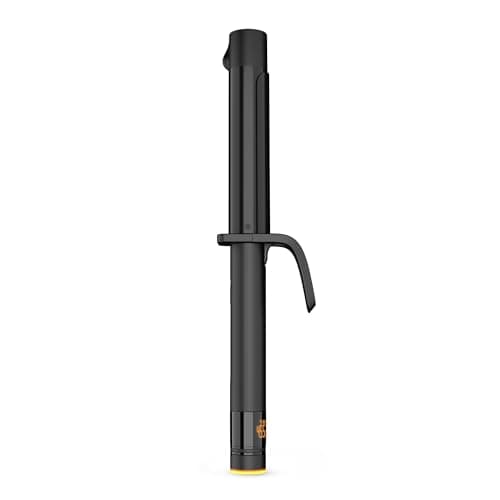
Longest warranty in the registry
A lifetime warranty, a 9 ft cord, and three specification rows the brand never fills in.
Updated September 2026 · Sawyer V.
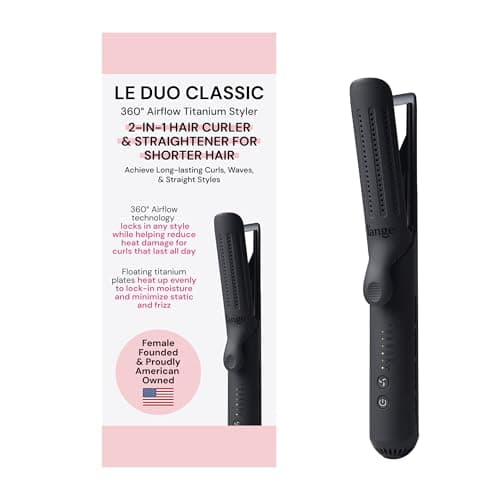
Most complete spec sheets here
Grams, degrees and watts on every tool - and a 36 W styler that costs 43 cents a year to run.
Updated September 2026 · Sawyer V.
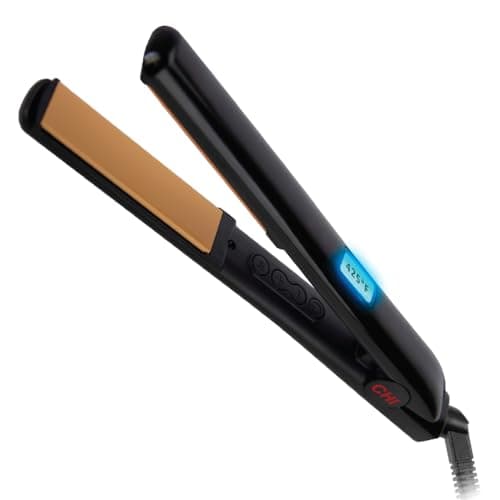
Longest published cord
A single preset temperature, 11 ft of cord, and what to buy if 392°F is wrong for you.
Updated September 2026 · Sawyer V.
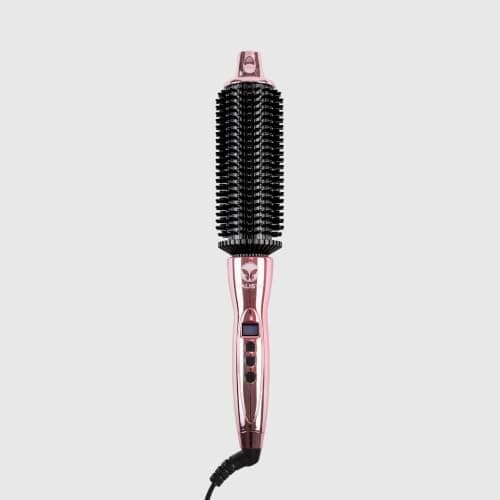
Finest temperature control here
10-degree temperature steps on a heated brush, and a multi-styler that never goes above 195°F.
Updated September 2026 · Sawyer V.
Building this site meant reading a manufacturer’s own product page for every tool in the registry and copying out whatever they state. Doing that across four brands surfaced a pattern that no roundup mentions: the brands differ enormously in how much they are willing to put in writing, and it does not track price.
Dyson publishes a full block — wattage, heat and speed settings, weight, cable length, voltage, warranty — on every tool. SharkNinja publishes a comparable block including exact cord length in inches and product dimensions. T3 publishes heat settings, weight to a tenth of an ounce, cord length and voltage, but does not publish a wattage for any tool we looked at. Revlon publishes a wattage on some products, a warranty on others, and very little consistently.
Not one of the four publishes a decibel figure for any product, while most of them describe their tools as quiet.
A missing spec is not proof of a bad tool. T3 does not publish wattage, and the SinglePass StyleMax is one of the more thoughtfully specified irons here on every row it does publish. But a missing spec does mean you cannot check something, and it means we cannot compute a running cost for that tool — which is why several pages on this site show a formula where a number should be.
The rule we apply is simple: a blank row stays visible and says “Not published.” We never fill it in from a retailer listing, a press release or memory. If Dyson states 1,600 W and Shark states 1,600 W, those two numbers are comparable. If T3 states nothing, no honest comparison exists and the page says so.
On published specifications they are closer than the price gap suggests: Shark states 1,600 W for the FlexStyle against Dyson's 1,300 W for the Airwrap, with the same two-year warranty and a comparable weight. Neither publishes airflow in comparable units, so the spec sheets cannot settle it entirely.
We do not know, and we are not going to speculate about a company's reasons. What we can say is that no T3 product page we read states one, which means no running cost can be computed for their tools and they cannot be compared on power with Dyson or Shark.
Revlon, at four years on the One-Step Volumizer Plus — longer than ghd's three years and Dyson's two, on a far cheaper tool. Warranty length is not a lifespan measurement, but it is the only durability commitment any of them makes in writing.