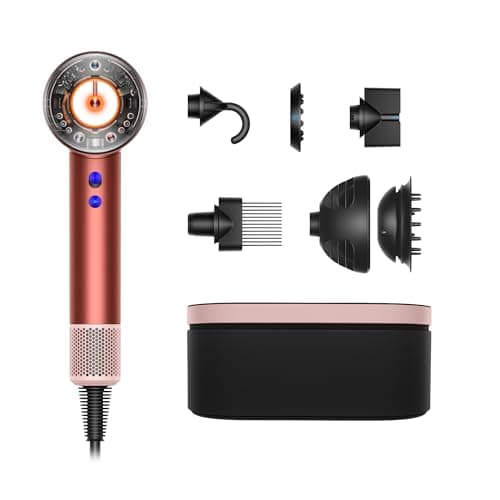
Best for Fine Hair
The Best Hair Dryers for Fine Hair in 2026
Low heat settings, low weight, and the high-wattage dryer we would not put near fine hair.
Updated September 2026 · Sawyer V.
Published specs · Real running costs · One pick we’d skip
Section
Wattage is the number on the box and almost the least useful one. Here is what the manufacturers actually publish, what it costs to run, and which dryer suits which hair.
Updated September 2026 · Sawyer V.
Pick a hair dryer by how much heat your hair can take, not by wattage. Fine hair needs low heat and a real cool shot. Coily and thick hair need sustained airflow and a diffuser. Everything else — weight, cord length, warranty — decides whether you keep using it a year from now.
We earn a commission if you buy through the links on this page, at no extra cost to you. It never changes which tool we pick or which one we tell you to skip. How this site is funded.
Best for Fine Hair
Low heat settings, low weight, and the high-wattage dryer we would not put near fine hair.
Updated September 2026 · Sawyer V.
Best for Curls
Diffuser-first picks, with the airflow settings that decide whether curls survive.
Updated September 2026 · Sawyer V.
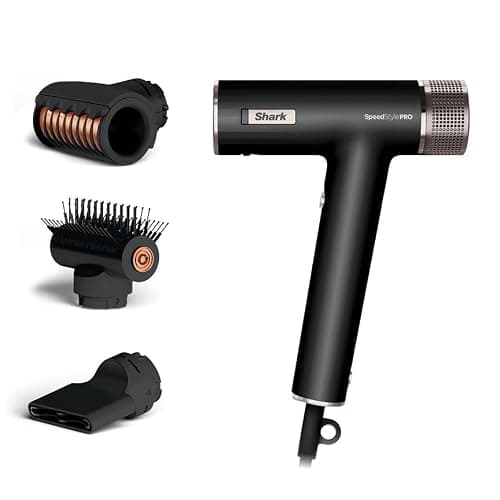
Best for Thick Hair
Power, weight and cord length for dense hair, and the tool that is wrong for it.
Updated September 2026 · Sawyer V.
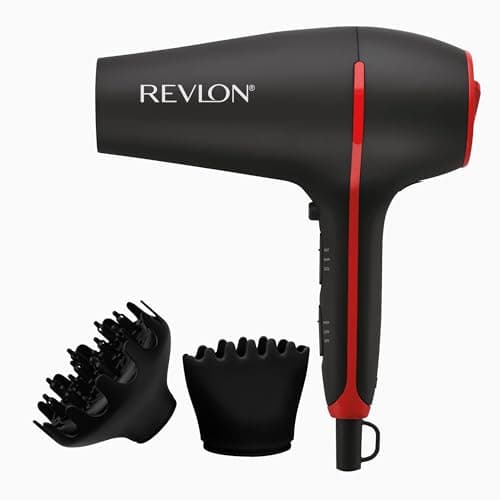
Best Under $100
What a cheap dryer actually gives up — and it is mostly not what you would guess.
Updated September 2026 · Sawyer V.
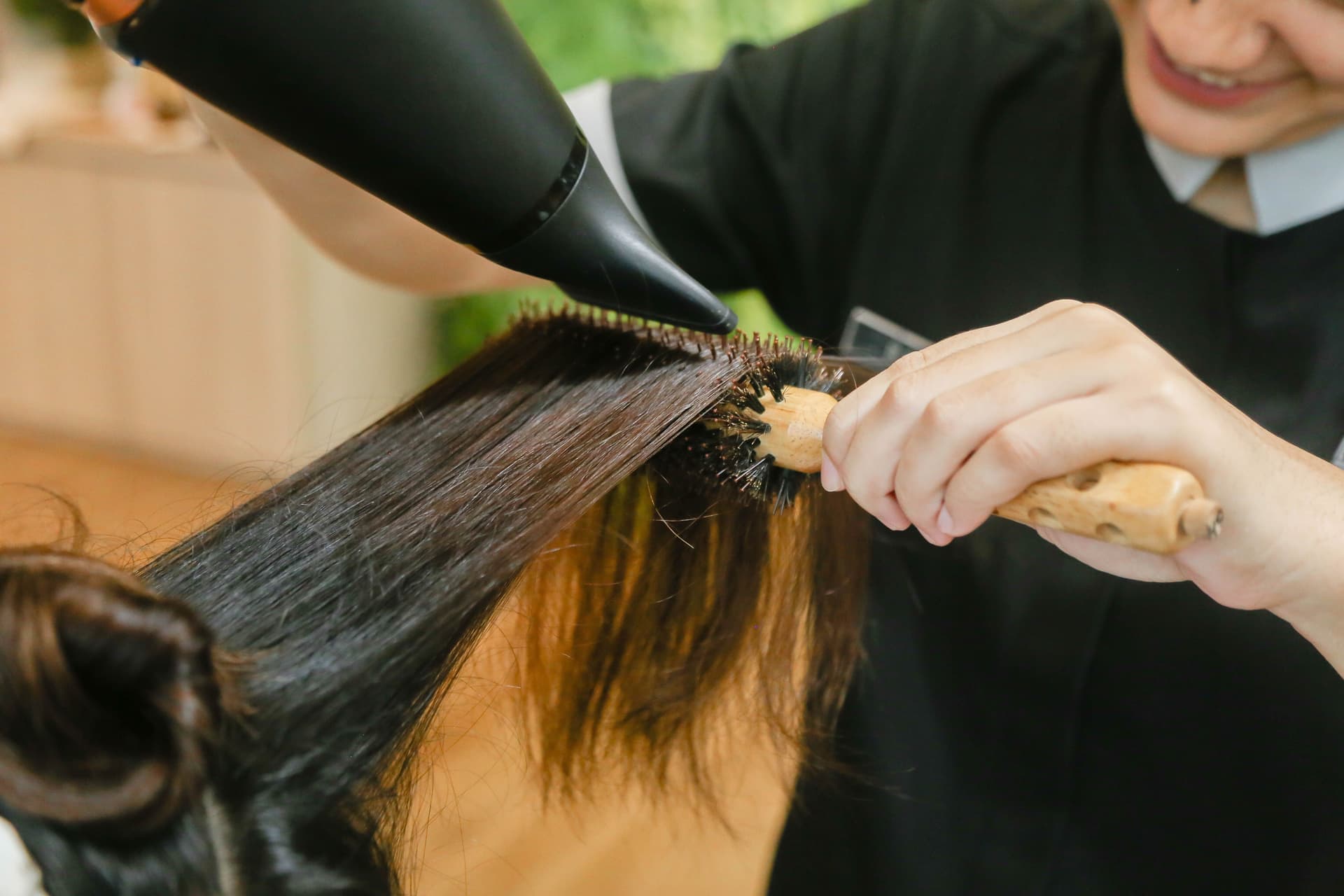
Guide
Why the premium tools publish the lowest wattages, and what watts genuinely tell you.
Updated September 2026 · Sawyer V.
Guide
What the ionic claim is, who makes it, and why it stopped being a differentiator.
Updated September 2026 · Sawyer V.
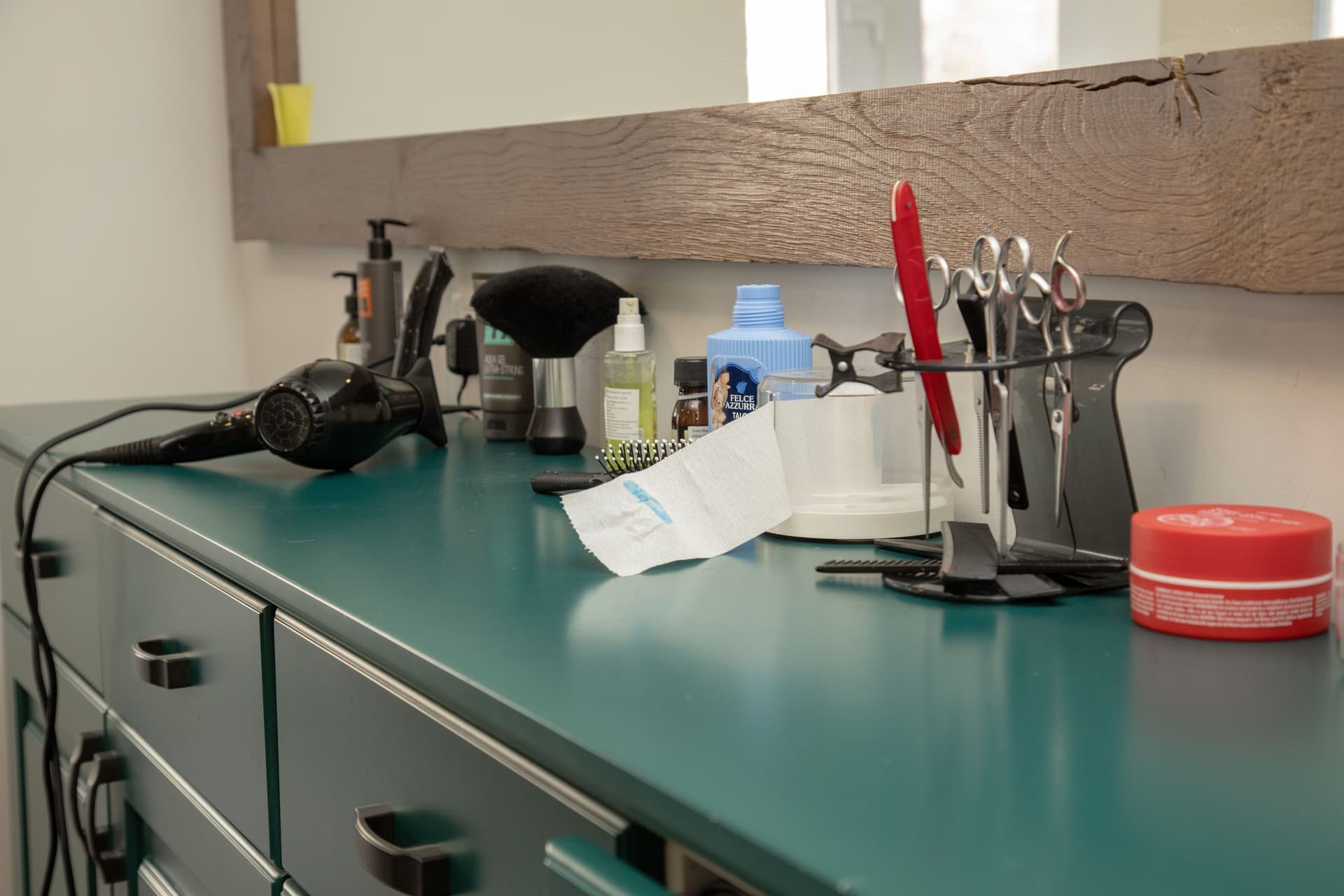
Guide
The only durability figures anyone commits to in writing, compared.
Updated September 2026 · Sawyer V.
Single review
Dyson's own numbers, the running cost, and an honest read on who should not buy it.
Updated September 2026 · Sawyer V.
Single review
Shark's own numbers against Dyson's, including the specification Shark does not publish.
Updated September 2026 · Sawyer V.
Head to head
Every published spec, side by side, with the running cost and the per-use math.
Updated September 2026 · Sawyer V.
Best for 4C Hair
Stretch-first picks for 4C and coily hair, and the dryer we would not buy for it.
Updated September 2026 · Sawyer V.
Best for Frizz
Concentrator-first picks for frizz, and why ionic is no longer a reason to choose.
Updated September 2026 · Sawyer V.
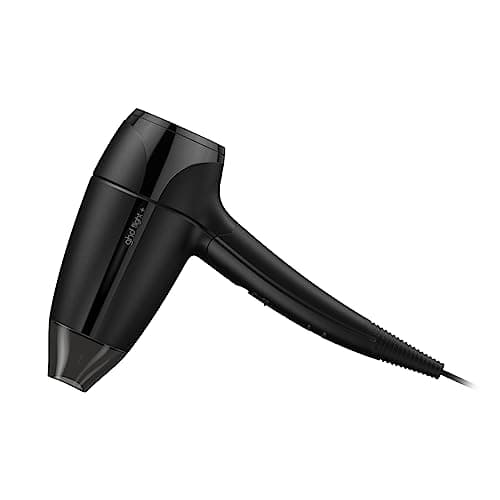
Best for Travel
The one dryer that genuinely travels, and the flagship you must leave at home.
Updated September 2026 · Sawyer V.
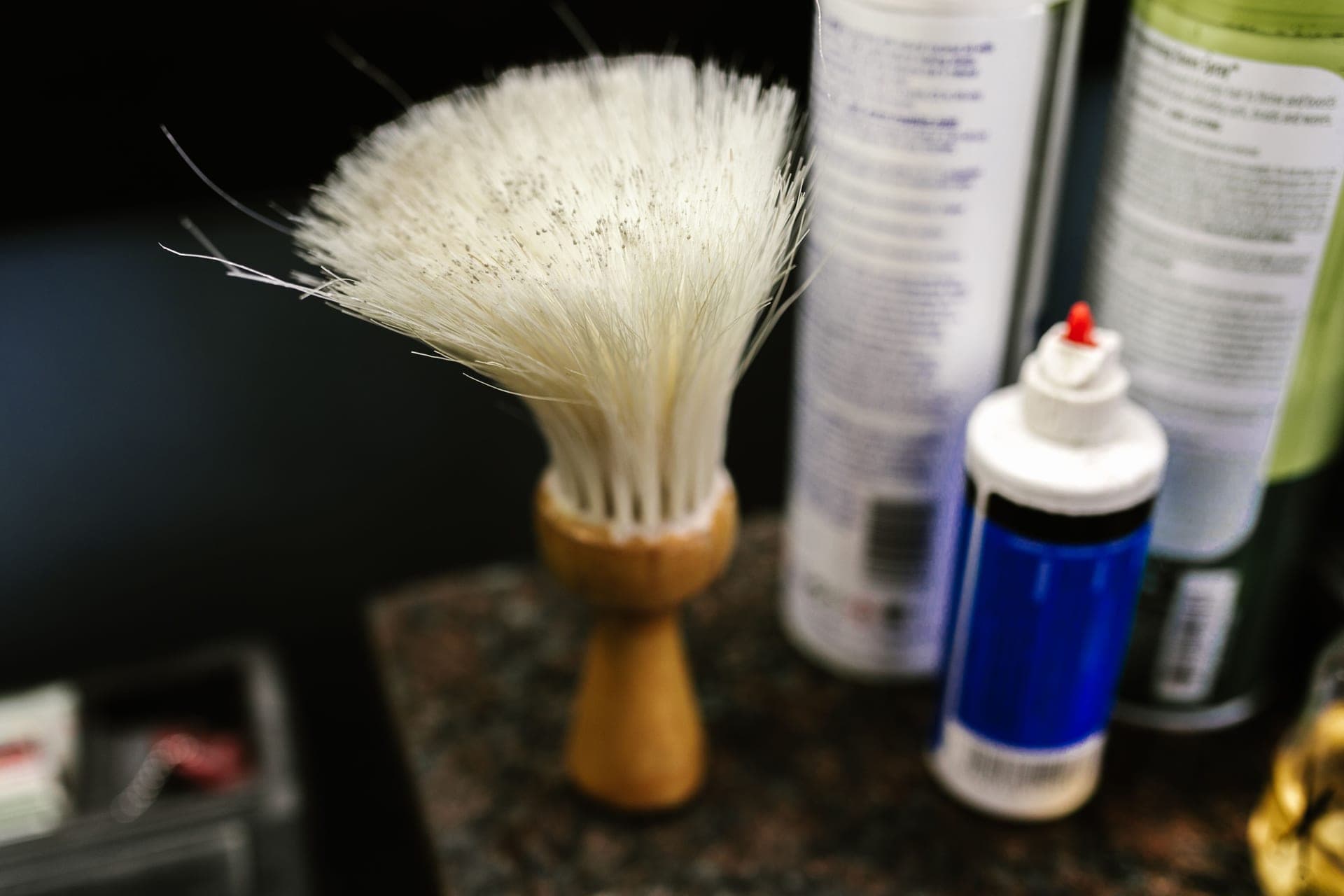
Guide
The five-minute maintenance that prevents the most common dryer failure.
Updated September 2026 · Sawyer V.
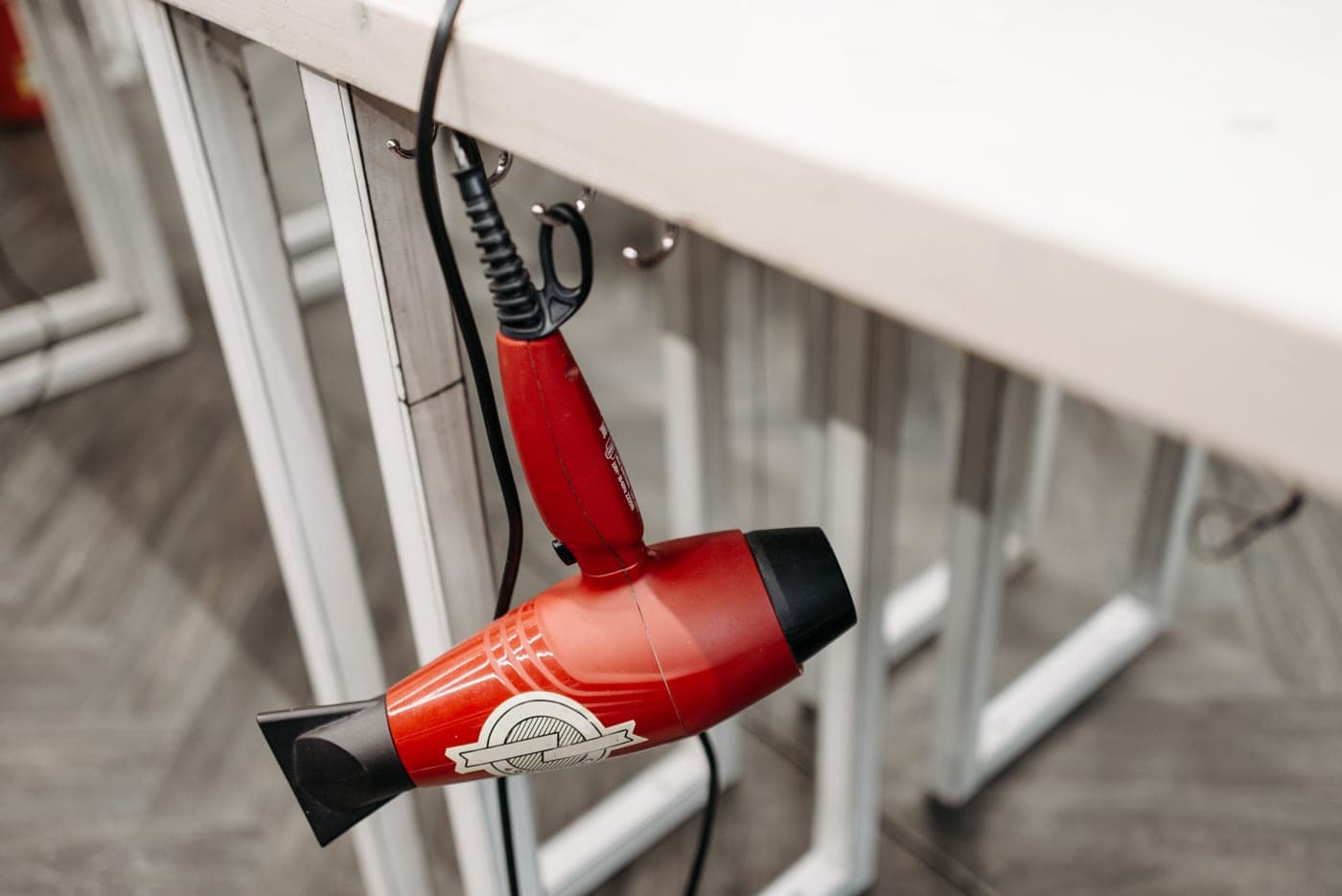
Guide
What each attachment does, and which dryers publish what is in the box.
Updated September 2026 · Sawyer V.
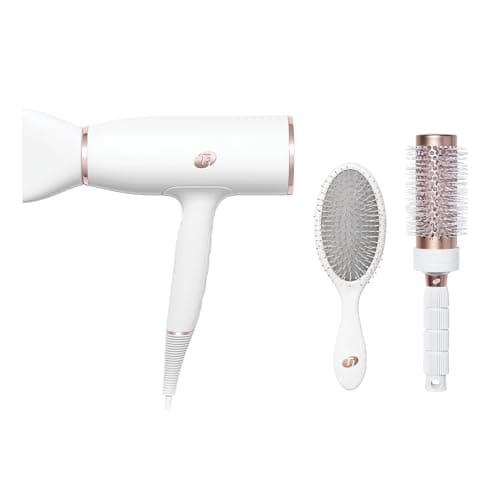
Single review
T3's own numbers, the half-ounce that separates it from its sibling, and the missing figure.
Updated September 2026 · Sawyer V.
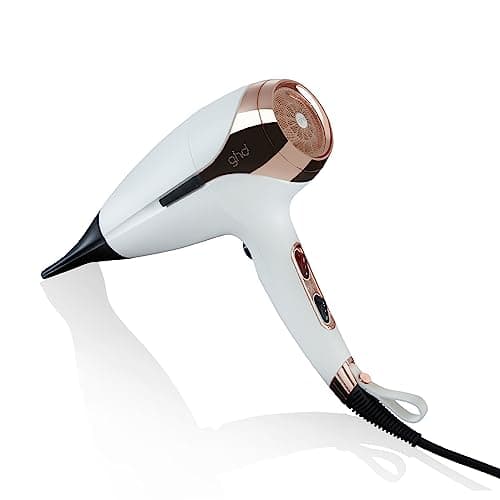
Single review
ghd's own numbers, $22.35 a year to run, and the settings count that is missing.
Updated September 2026 · Sawyer V.
Guide
Why nobody publishes drying time, and the four things that actually change yours.
Updated September 2026 · Sawyer V.
Single review
The highest published wattage on the site, and the five specifications missing beside it.
Updated September 2026 · Sawyer V.
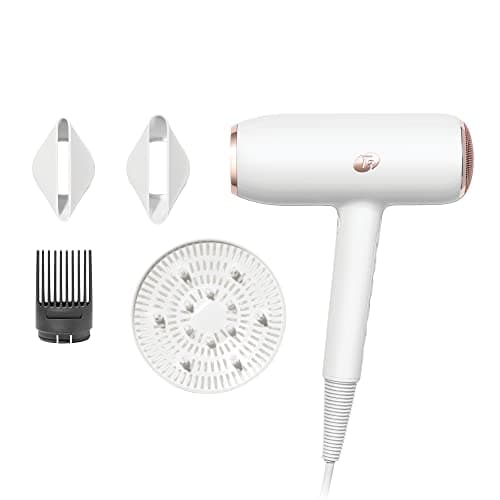
Single review
The lightest corded dryer here, fifteen combinations, and the missing wattage.
Updated September 2026 · Sawyer V.
Single review
The only dual-voltage dryer we list, at a published 0.99 lb with the cord on.
Updated September 2026 · Sawyer V.

The Wattage Tie
An exact wattage tie across a large price gap — and the four rows that break it.
Updated September 2026 · Sawyer V.
Best for Long Hair
Weight, cord length and cool shot for long sessions, and the dryer we would skip.
Updated September 2026 · Sawyer V.
Guide
The one spec row that is blank on every product we cover, and what to do about it.
Updated September 2026 · Sawyer V.
Best Professional
What the professional label actually buys, ranked on published specs.
Updated September 2026 · Sawyer V.
Best Ionic
Who publishes an ionic claim, and why the best dryer here does not.
Updated September 2026 · Sawyer V.
Best Diffuser
Which dryers publish a diffuser in the box, and why a universal one is a compromise.
Updated September 2026 · Sawyer V.
Best for Wavy Hair
Dryers that publish both a diffuser and a concentrator, and enough speeds to use either.
Updated September 2026 · Sawyer V.
Best for Color-Treated
Ranked on published heat steps below the middle, not on wattage.
Updated September 2026 · Sawyer V.
For Short Hair, Fast
Why short hair inverts the usual buying advice, and which dryers suit it.
Updated September 2026 · Sawyer V.
For the Blow-Dry Stage
The dryers that stretch textured hair properly - and why that beats a hotter iron.
Updated September 2026 · Sawyer V.
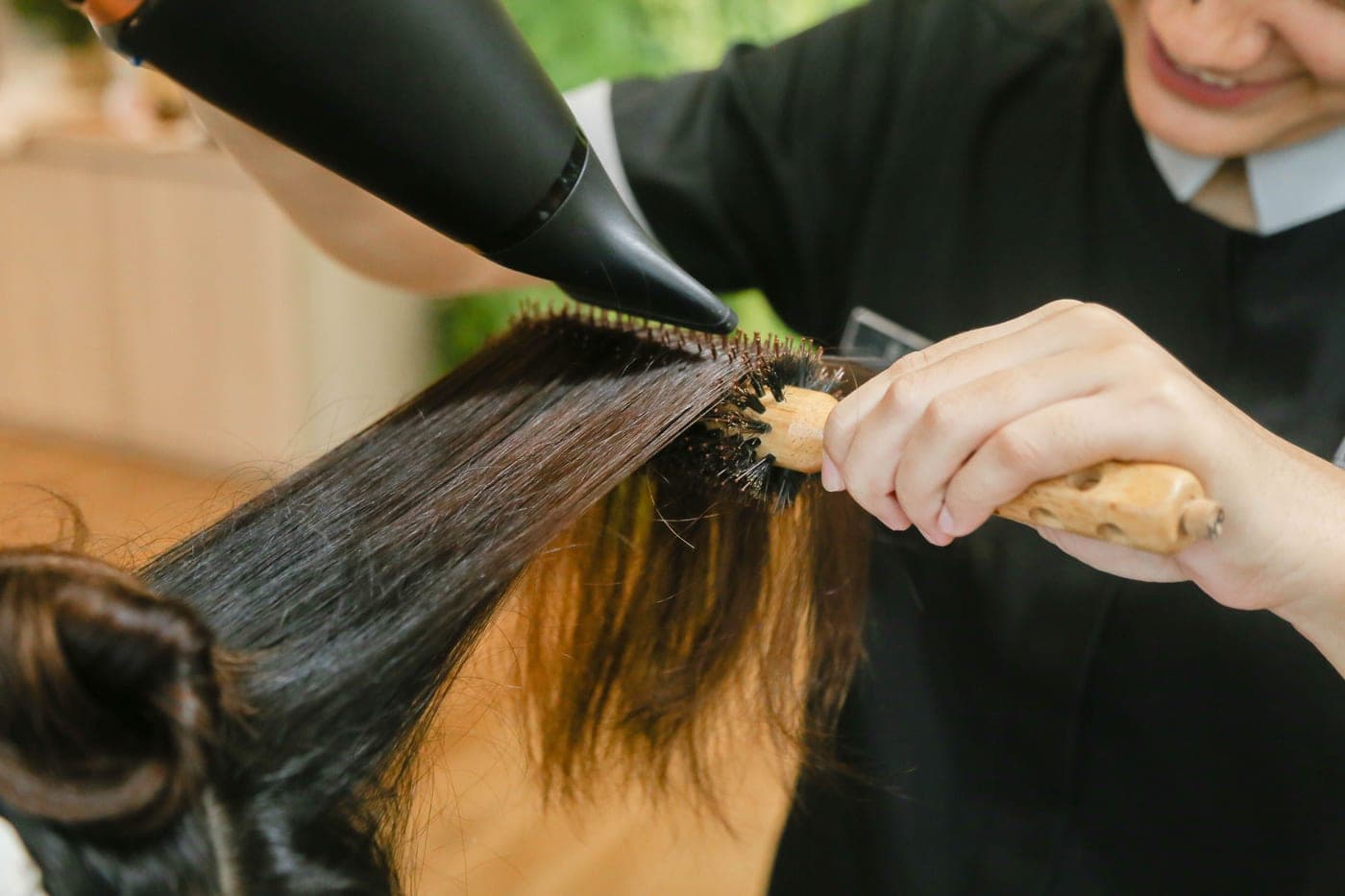
Drying Method Head-to-Head
Low heat and no hands, against higher heat and full control - and when each is right.
Updated September 2026 · Sawyer V.
Lightest Dryer Here
0.7 lb, a stated 140-230°F air range, and the one row that rules out travel.
Updated September 2026 · Sawyer V.
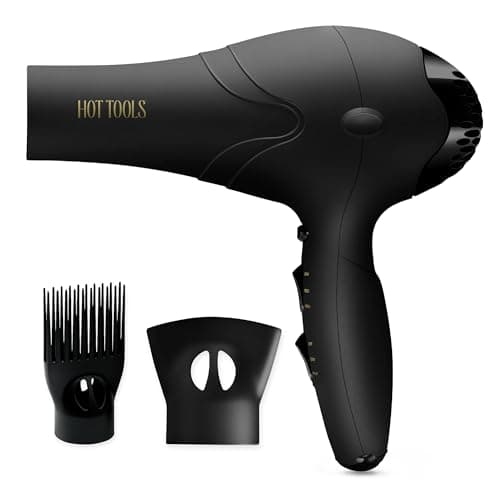
Salon Power Pick
1,875 W, diffuser and concentrator included, lifetime cover - and two blank rows.
Updated September 2026 · Sawyer V.
For Damaged Hair
Stated low temperatures, cool shots and light weight, for hair that has already paid.
Updated September 2026 · Sawyer V.
Best for Short Hair
Nozzle and low-heat picks for short hair, and the premium dryer we would skip here.
Updated October 2026 · Sawyer V.
Best for Long Thick Hair
The one case where power, weight and cord all matter together - and the light dryer we would skip for it.
Updated October 2026 · Sawyer V.
Best for Keratin-Treated Hair
Nozzle-first picks for keratin-treated hair, ranked on published temperature rather than power.
Updated October 2026 · Sawyer V.

Head to head
A 0.7 lb dryer against a 1.1 lb brush dryer, both with published temperatures - and the brush runs cooler.
Updated October 2026 · Sawyer V.
Premium Dryer Head-to-Head
1.8 lb with three nozzles against 16.6 oz with fifteen heat-and-speed combinations.
Updated September 2026 · Sawyer V.

Premium vs Drugstore
1,875 W against 1,600 W - and six spec rows that decide it the other way.
Updated September 2026 · Sawyer V.
Lightweight Head-to-Head
0.7 lb with a stated 140-230°F against 16.6 oz with fifteen combinations.
Updated September 2026 · Sawyer V.

Small Dryer Head-to-Head
0.7 lb and a stated air range against 0.99 lb, a folding handle and dual voltage.
Updated September 2026 · Sawyer V.
Best Shared Dryer
Why the attachment set decides a shared dryer, and which ones publish a full one.
Updated September 2026 · Sawyer V.
Best for Small Spaces
Folding handles, wall mounts and cord length, for bathrooms with one socket and no drawer.
Updated September 2026 · Sawyer V.
Head to head
17.1 oz against 16.6 oz, with every other published row identical. The cheaper one usually wins.
Updated October 2026 · Sawyer V.
Best First Dryer
Ranked on cool shot, nozzle in the box, adjustability and warranty - the four rows a first dryer has to fill.
Updated October 2026 · Sawyer V.
Budget Dryer Head-to-Head
Same 1,875 W, nearly the same price - but one publishes a lifetime warranty and two attachments, the other publishes neither.
Updated October 2026 · Sawyer V.
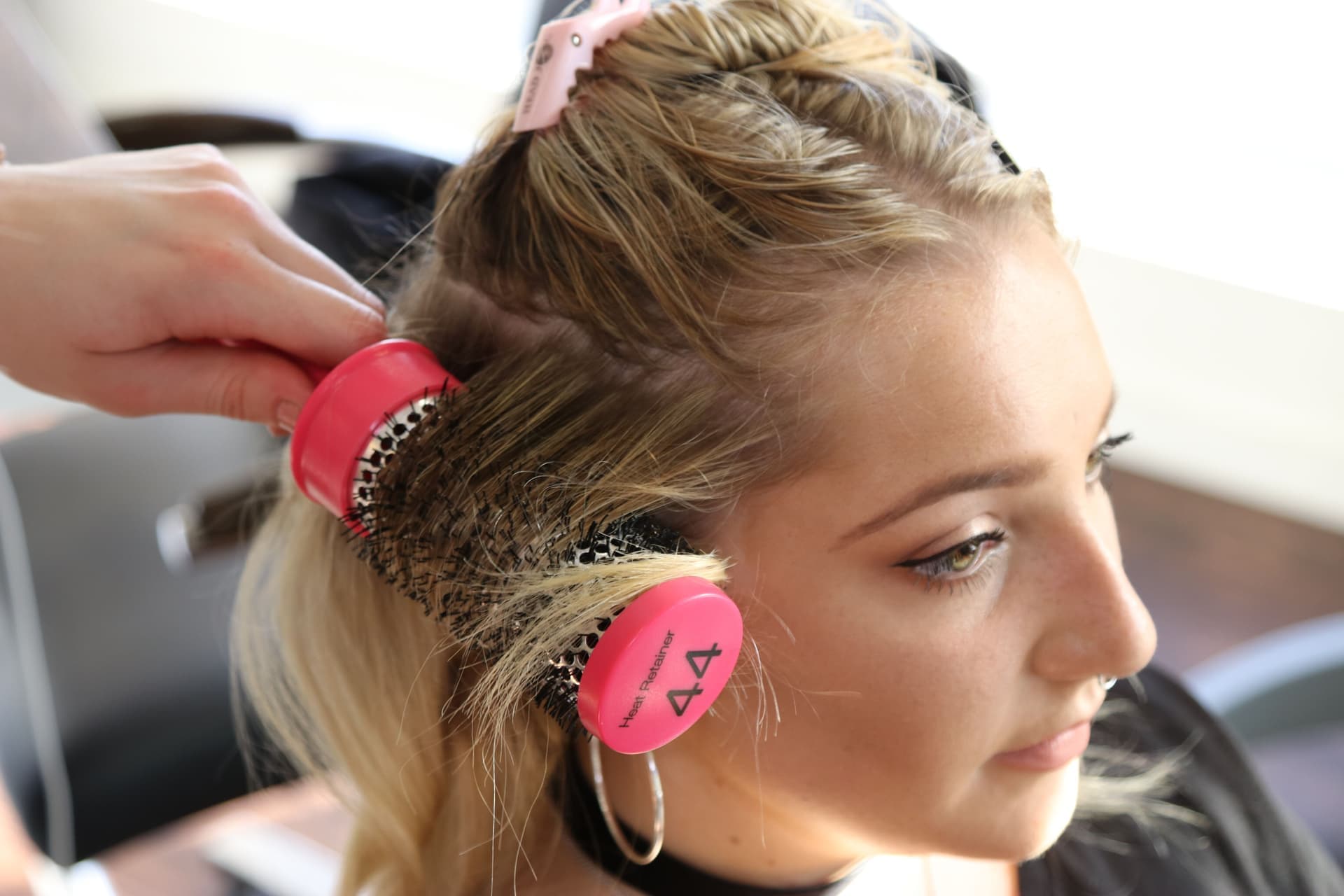
Within-Brand Budget Pick
Revlon's dryer against Revlon's brush: 1,875 W and no warranty, or four years of cover and no wattage.
Updated October 2026 · Sawyer V.
Salon vs Dupe Head-to-Head
1,875 W against 1,750 W - and the cheaper tool is the one that publishes its weight, its cord and its temperature ceiling.
Updated October 2026 · Sawyer V.
Look at what the manufacturers themselves publish and the wattage hierarchy inverts. The Revlon SmoothStay, a drugstore dryer, states 1,875 W. The Dyson Supersonic states 1,600 W. The Dyson Airwrap, the most expensive tool in this whole category, states 1,300 W — the lowest mains figure in our entire registry. If watts were the thing you were buying, the cheapest tool on the shelf would be the best one.
Watts measure how much electricity a dryer draws, which is mostly a statement about its heating element. What actually shortens your drying time is the volume and speed of air moving through your hair, and that is a motor-and-geometry question that almost nobody publishes a comparable number for. So the specification everyone puts on the box is the one that tells you least, and the ones that would settle the argument are missing.
This is not a reason to despair — it is a reason to use wattage for the one thing it genuinely settles. Watts times hours times your electricity rate is exactly what a dryer costs to run, and we publish that figure on every dryer here. See what wattage a hair dryer actually needs for the full version of this argument.
We have not used these dryers. Nobody here has held one, timed a blow-dry, or measured a noise level, and we are not going to write sentences that imply otherwise. What we can do is read every manufacturer’s published specification, put them in the same table in the same order on every page, compute the running cost from the figures they give, and say plainly which tool we would not spend money on. Zero of the ten ranking pages we looked at in research does that last part.
Noise is the clearest example of the gap. “Quiet” is in almost every dryer’s marketing copy and a decibel figure is in almost none of it — not one product in our registry publishes one. So every noise row on this site reads “Not published,” and it will keep reading that until a manufacturer prints a number. That is less satisfying than a confident sentence, and it is the honest state of the category.
The hair on your head is dead keratin, and heat past a certain point changes it permanently. That is not a marketing frame, it is why a dryer’s lowest setting matters more than its highest, and why we treat the heat damage section as load-bearing rather than as filler. If you are replacing a dryer because your ends look rough, the tool may not be the variable that needs changing — start with how to tell if hair is heat damaged.
For the specific question of whether spending several hundred dollars buys you meaningfully less damage, we work through the published evidence and the arithmetic in are expensive hair dryers worth it. The short version is that the honest answer depends on your hair and how often you dry it, and any page that gives you a flat yes is selling something.
There is no single best wattage. Published ratings across current dryers run from about 1,300 W to 1,875 W, and the most expensive tools sit at the low end, so a higher figure is not a quality signal. Wattage reliably tells you one thing: what the dryer costs to run.
Under normal home use it is a few dollars. A 1,600 W dryer used 15 minutes a day, five days a week, draws about 104 kWh a year, which at the June 2026 US average residential rate of 18.34 cents per kWh comes to roughly $19. Every dryer page here shows this worked out.
Manufacturers attribute reduced frizz and faster drying to ionic output, and it is close to universal on current dryers, which makes it hard to treat as a differentiator. We go through what is published and what is not rather than repeating the claim.
Manufacturer warranties in our registry run from two to four years, which is the only figure any of them will commit to in writing. Warranty length is not a lifespan promise, but it is the closest published proxy you get.