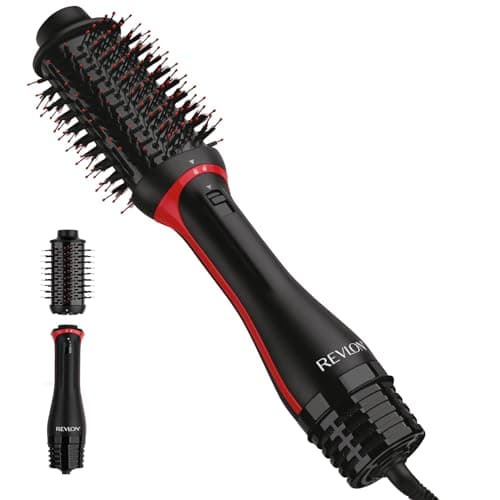
Best for Fine Hair
The Best Blow-Dry Brushes for Fine Hair in 2026
Volume-first picks for fine hair, and the model we would not buy.
Updated September 2026 · Sawyer V.
Published specs · Real running costs · One pick we’d skip
Section
One tool instead of two hands. The category where the cheapest option has the longest published warranty, which is worth explaining.
Updated September 2026 · Sawyer V.
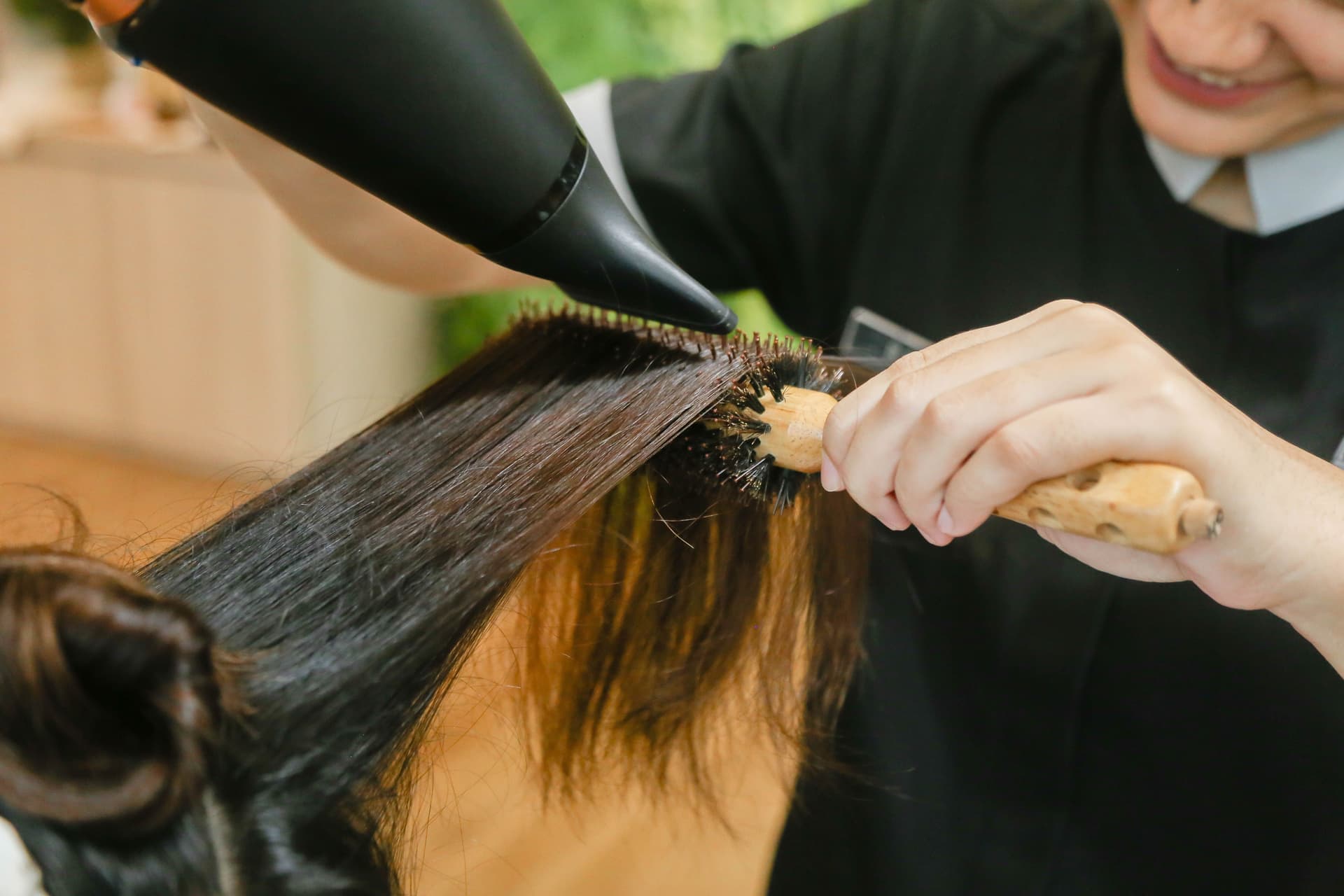
A blow-dry brush combines the dryer and the round brush into one handle, which removes the two-handed coordination that stops most people getting a blowout at home. It gives less volume than a real brush-and-dryer technique and takes far less skill, which for most people is the trade worth making.
We earn a commission if you buy through the links on this page, at no extra cost to you. It never changes which tool we pick or which one we tell you to skip. How this site is funded.
Best for Fine Hair
Volume-first picks for fine hair, and the model we would not buy.
Updated September 2026 · Sawyer V.
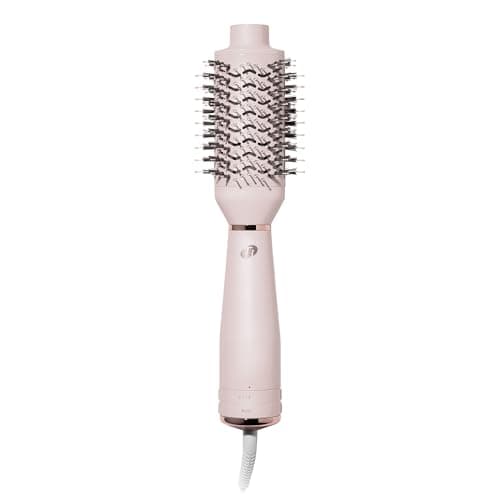
Best for Curls
Smoothing without straightening — what a hot air brush does for curls.
Updated September 2026 · Sawyer V.
Single review
Revlon's own numbers, including the warranty that beats Dyson's by double.
Updated September 2026 · Sawyer V.
Guide
Two tools, two finishes, and a clear answer on which one you need.
Updated September 2026 · Sawyer V.
Best for Thick Hair
How to use a hot air brush on dense hair, and which one has the power.
Updated September 2026 · Sawyer V.
Best for 4C Hair
Stretching coily hair with a brush, what it can do and what it cannot.
Updated September 2026 · Sawyer V.

Guide
Barrel diameter and shape against hair length, and what each actually gives you.
Updated September 2026 · Sawyer V.
Brush Head-to-Head
Four heat settings and four years against six combinations and a published weight.
Updated September 2026 · Sawyer V.
Best for Short Hair
Round barrels for short cuts, and the one whose head does not come off.
Updated September 2026 · Sawyer V.
Guide
The method, section by section, and the mistake that doubles your time.
Updated September 2026 · Sawyer V.
Single review
T3's two hot air brushes side by side, and which shape suits which length.
Updated September 2026 · Sawyer V.
Best for Damaged Hair
Which brushes suit compromised hair, and why the cool setting decides it.
Updated September 2026 · Sawyer V.
Best Straightening Brush
Heated-bristle versus hot air brushes, and which of ours actually smooths.
Updated September 2026 · Sawyer V.
Best for Long Hair
Paddle width, swivel cords and cool settings for hair that takes forty sections.
Updated September 2026 · Sawyer V.
For Frizz Control
The brushes with a cool setting and enough tension to lay the cuticle flat.
Updated September 2026 · Sawyer V.
Best Value Brush
What the cheap hot air brushes still do well, and the one design choice to avoid.
Updated September 2026 · Sawyer V.
Brush vs Dryer
When one handle beats two tools, and the hair types where it never does.
Updated September 2026 · Sawyer V.
For Waves
Barrel size and a cool finish, for smoothing waves without flattening them.
Updated September 2026 · Sawyer V.
For Colored Hair, Brushed
The brushes that publish a low temperature, for hair that has already been processed.
Updated September 2026 · Sawyer V.
Most Published Temperatures
Every temperature published, two barrel widths, and the row that does not add up.
Updated September 2026 · Sawyer V.
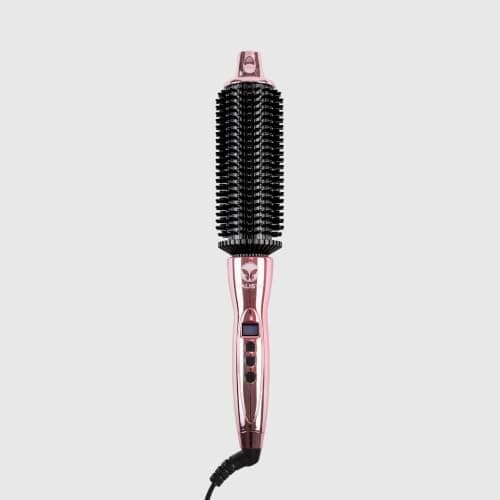
Finest Temperature Steps
Eight selectable temperatures, dual voltage, and no fan at all.
Updated September 2026 · Sawyer V.
Best Travel Brush
Only one hot air brush here publishes dual voltage - plus the two alternatives worth packing instead.
Updated October 2026 · Sawyer V.
Within-Brand Brush Pick
A detachable head and four heat settings against a sealed head and no published settings.
Updated September 2026 · Sawyer V.
Best First Brush
What to look for in a first hot air brush, and the head design that decides its life.
Updated September 2026 · Sawyer V.
Single review
1,200 W published, a 2.5 in round barrel for lift, and the voltage row that rules out travel.
Updated October 2026 · Sawyer V.
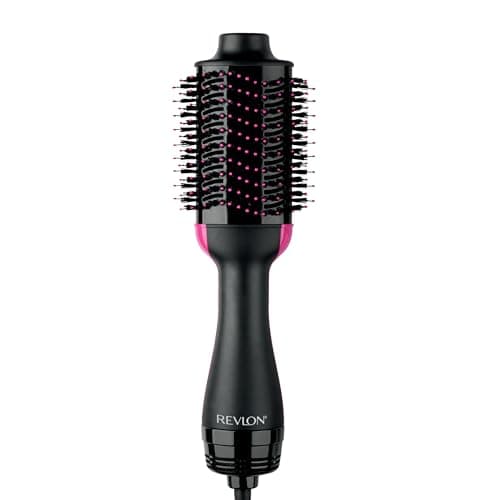
Single review
A 4-year warranty and a sealed brush head, on the emptiest spec sheet in the registry.
Updated October 2026 · Sawyer V.
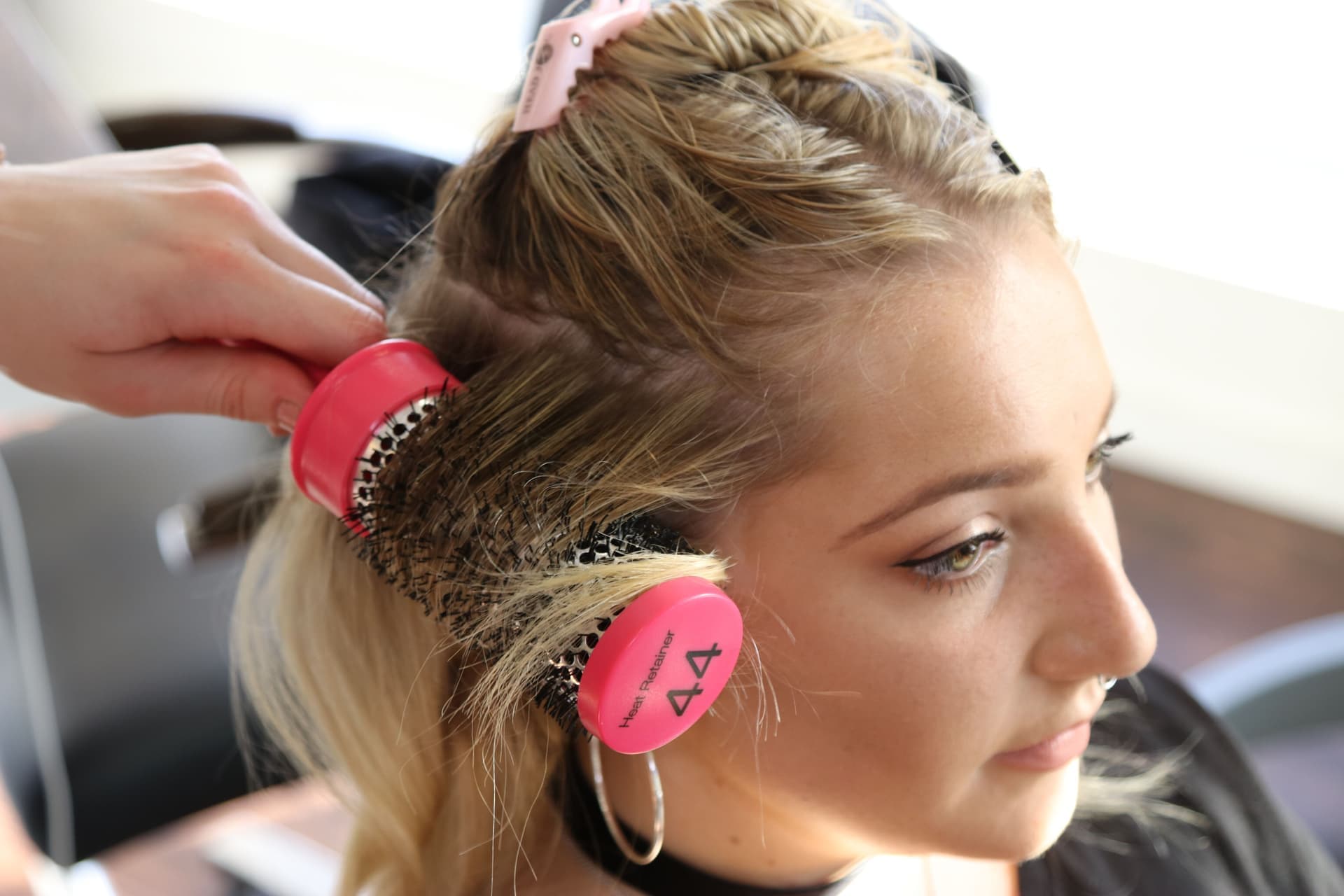
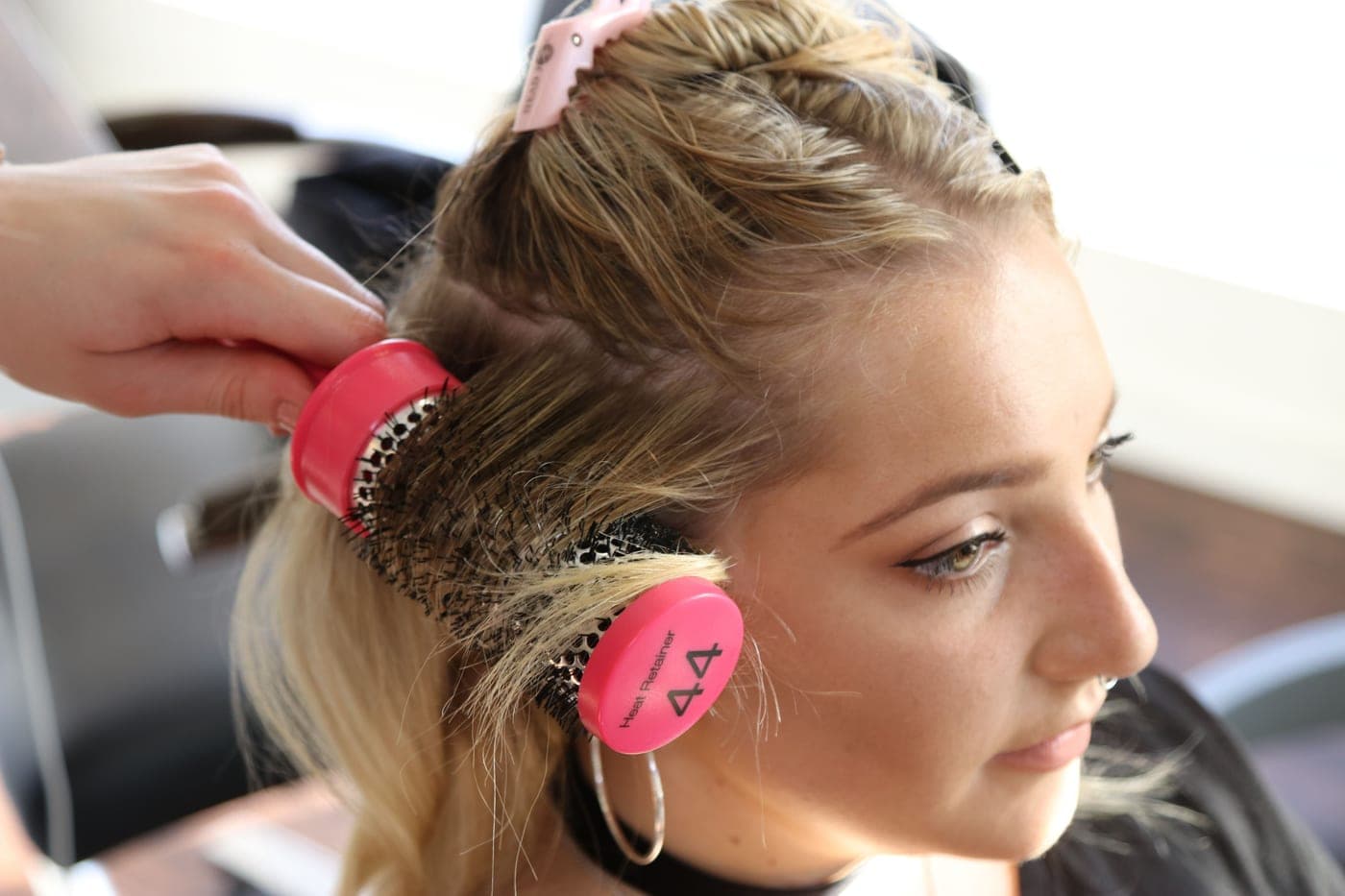
A conventional blowout is a two-handed skill: dryer in one hand, round brush in the other, tension maintained through the section while the air does the work. It is genuinely difficult, which is why people pay for blowouts. A hot air brush puts the airflow through the brush barrel so one hand does both jobs.
The honest trade is that you get less lift at the root and less precision at the ends than a good stylist gets with two tools. What you get in exchange is a result you can actually reproduce on a Tuesday morning, which is a better outcome than a technique you never master.
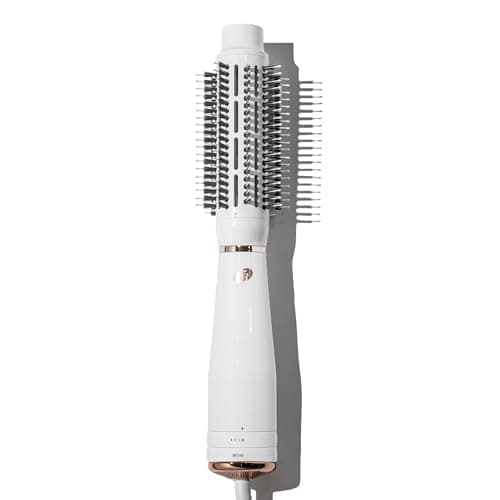
Revlon publishes a four-year limited warranty on the One-Step Volumizer Plus. That is the longest warranty on any product in our entire registry — longer than Dyson’s two years, longer than ghd’s three, on a tool that costs a fraction of either. T3 publishes two years on the AireBrush One-Step.
A warranty is not a lifespan measurement and we are not going to pretend it is one. It is, though, the only durability commitment any of these companies makes in writing, and it is peculiar that the cheapest tool in the category makes the longest one. If you are weighing a cheap brush against an expensive one, that row belongs in the comparison.
This category has the thinnest published specifications on the site. Revlon states four heat settings on the One-Step Volumizer Plus and a ceramic titanium barrel with tourmaline ionic technology, and does not state a wattage, a weight or a cord length on that product page. T3 states three heat settings, two speeds, 16 oz, an 8 ft swivel cord and 125 V, and does not state a wattage either.
So on this hub, more spec rows read “Not published” than anywhere else on the site. We leave them visible rather than quietly dropping the rows, because the fact that you cannot compare two hot air brushes on wattage is itself the useful finding — and it is the reason no running cost renders for most of them.
These two tools get compared constantly and they do different things. A hot air brush dries and shapes damp hair with air. A flat iron presses dry hair between heated plates. If you want a soft, bouncy finish from damp hair, the brush is the correct tool and puts less direct heat on your hair. If you want it genuinely straight, the iron wins and always will. We work through the published differences in blow-dry brush vs flat iron.
One caution worth stating plainly: a hot air brush is not a low-heat tool by definition. It is applying heat to your hair for as long as you keep it there, and the heat damage guides apply to it exactly as they do to an iron.
They apply heat, so the same rules apply as with any hot tool: lower settings, keep it moving, and do not run it over the same section repeatedly. They avoid the clamped contact of a flat iron, which is a real difference, but they are not heat-free.
Damp, not soaking. These tools are designed to finish drying while shaping. Starting on soaking-wet hair means much longer heat exposure for the same result.
They smooth and loosen curl rather than removing it, which is what most people actually want from one. Barrel size matters more than heat here, and a brush that is too small will fight a long curl pattern.