Best for Fine Hair
The Best Flat Irons for Fine Hair in 2026
Low-temperature irons for fine hair, and the cordless flagship we would not choose for it.
Updated September 2026 · Sawyer V.
Published specs · Real running costs · One pick we’d skip
Section
A flat iron is the one tool that puts a heated metal plate directly on your hair. Temperature control matters more here than anywhere else in this category.
Updated September 2026 · Sawyer V.
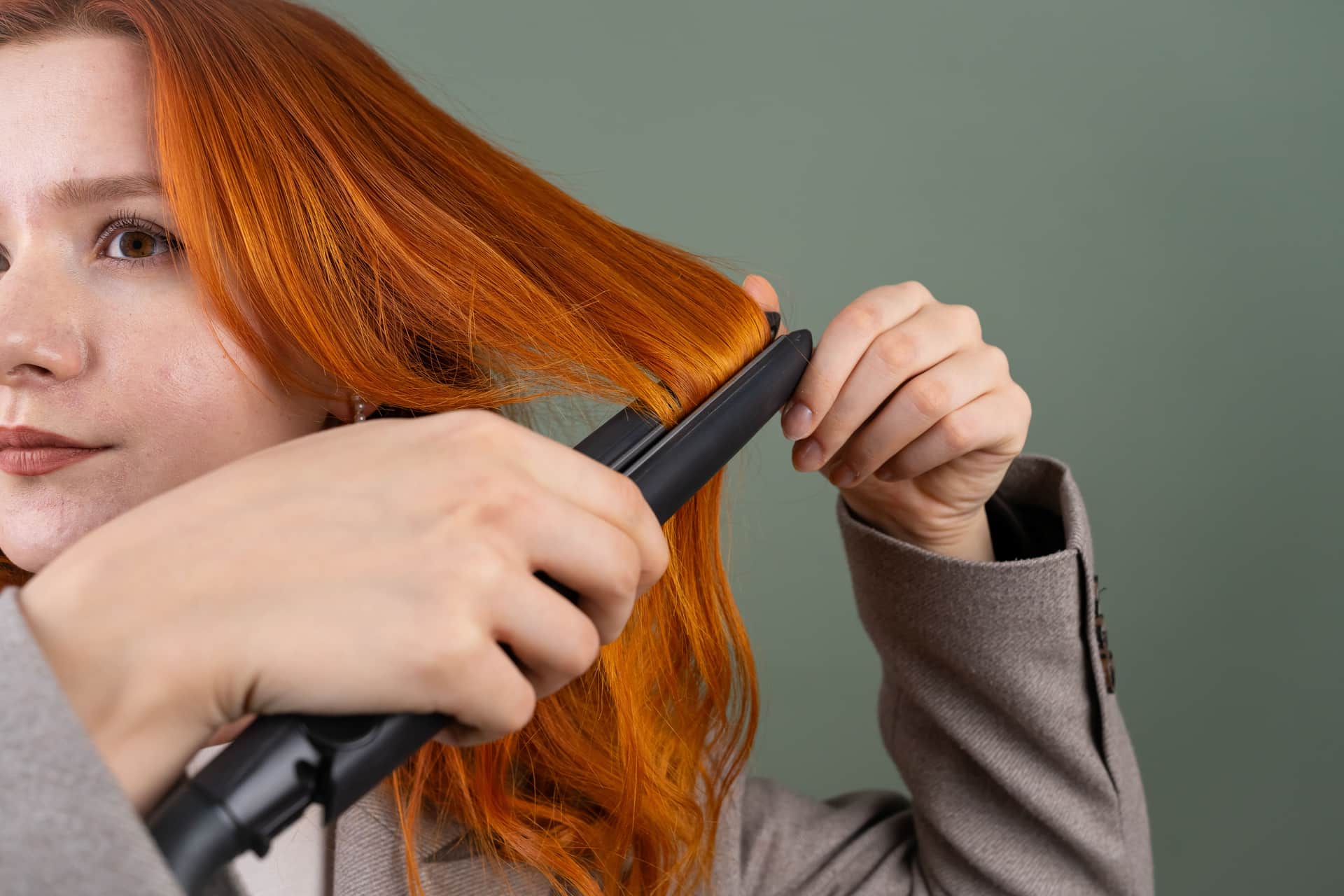
Choose a flat iron by the temperature it lets you use, not by the temperature it can reach. Fine and damaged hair wants the lowest setting that still works in one pass. Thick and coily hair needs consistent recovery between sections. Plate width should match your hair length, not your ambition.
We earn a commission if you buy through the links on this page, at no extra cost to you. It never changes which tool we pick or which one we tell you to skip. How this site is funded.
Best for Fine Hair
Low-temperature irons for fine hair, and the cordless flagship we would not choose for it.
Updated September 2026 · Sawyer V.
Best for Curls
Irons that make one pass realistic on curls — the only thing that reduces total heat.
Updated September 2026 · Sawyer V.
Best for 4C Hair
What a silk press demands from an iron, in published specifications.
Updated September 2026 · Sawyer V.
Best for Damaged Hair
Restraint-first picks, and a frank note about whether you should be buying an iron at all.
Updated September 2026 · Sawyer V.
Best Value Iron
Where the money goes on flat irons, and the one row worth paying for.
Updated September 2026 · Sawyer V.
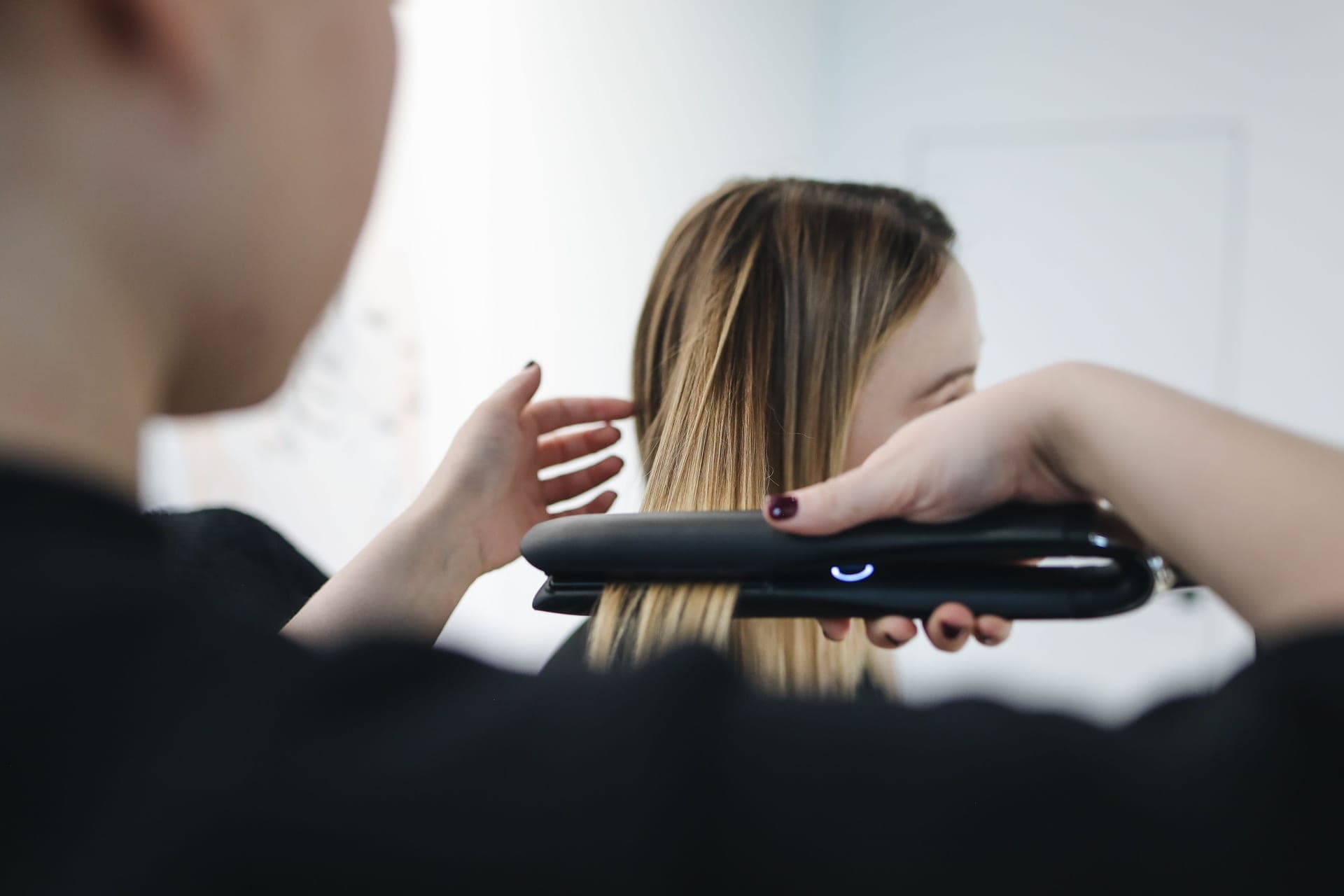
Guide
The plate materials explained, with a pick-this-if row rather than a winner.
Updated September 2026 · Sawyer V.
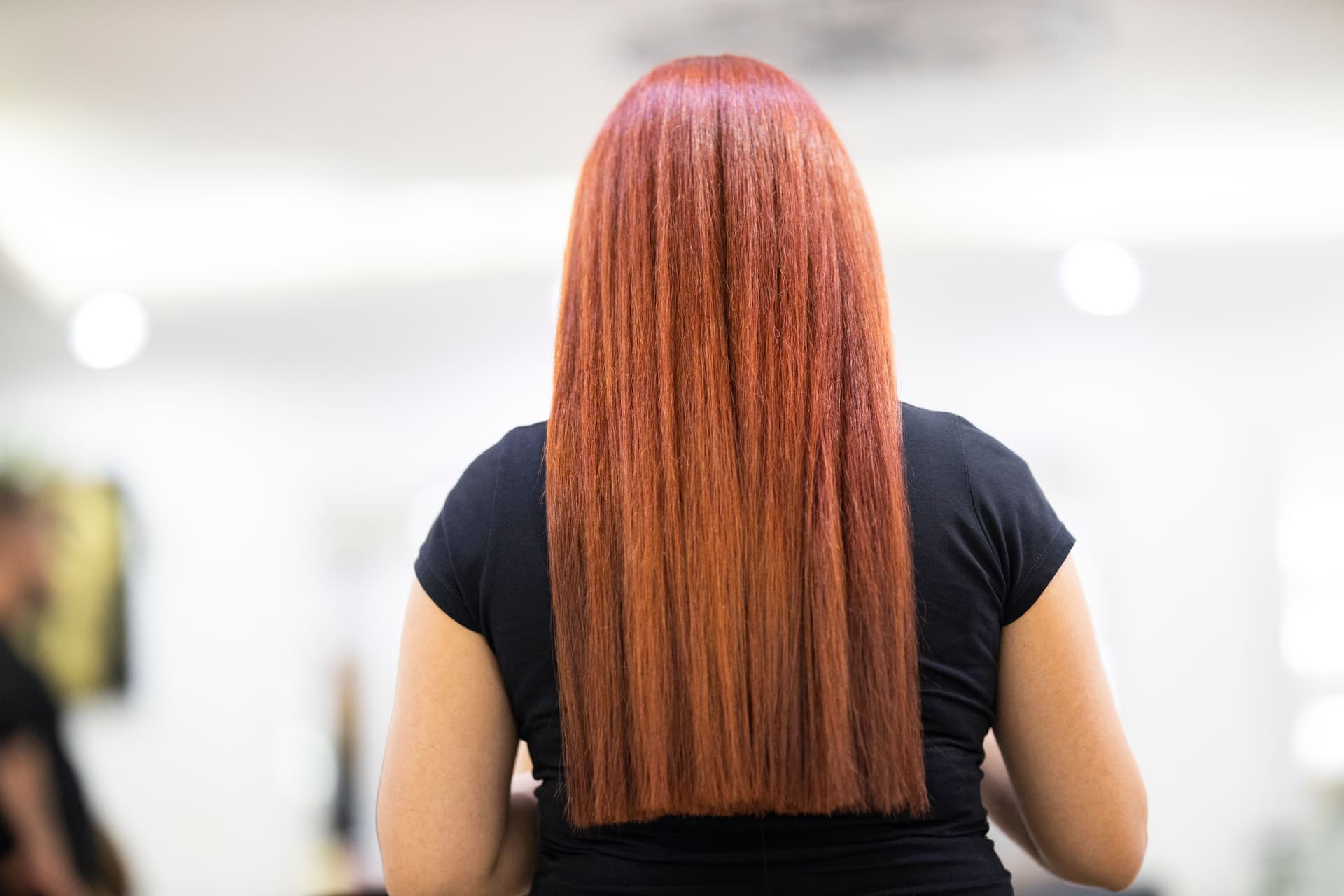
Guide
The terminology settled, and the straightening tools that genuinely differ.
Updated September 2026 · Sawyer V.
Best for Thick Hair
Plate contact and recovery for dense hair, and the iron we would skip.
Updated September 2026 · Sawyer V.
Best for Short Hair
Narrow plates and root access for short cuts, and the iron that fights a bob.
Updated September 2026 · Sawyer V.
Guide
Plate width against hair length, density and what you actually style.
Updated September 2026 · Sawyer V.
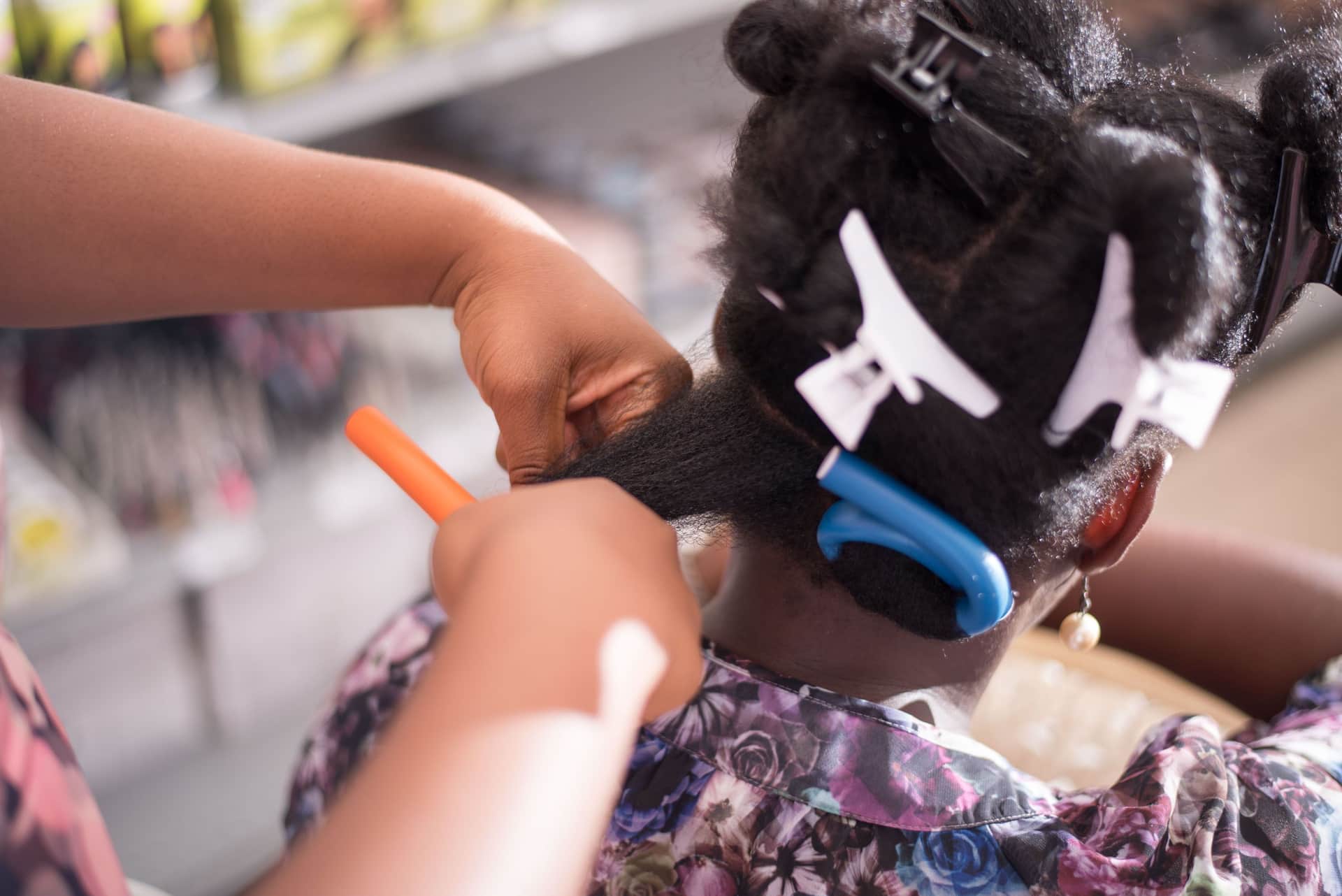
Guide
The technique that decides whether an iron damages hair, in order of impact.
Updated September 2026 · Sawyer V.
Single review
365 degrees fixed, three-year warranty, and the argument for taking the dial away.
Updated September 2026 · Sawyer V.
Single review
Flexing plates, cordless working, and why the 200 W figure misleads.
Updated September 2026 · Sawyer V.
Flagship Head-to-Head
Flexing plates against fixed temperature — the spec table, and who each one is for.
Updated September 2026 · Sawyer V.
Best for Travel
The two irons that publish a voltage you can trust abroad, and the one we would leave home.
Updated September 2026 · Sawyer V.
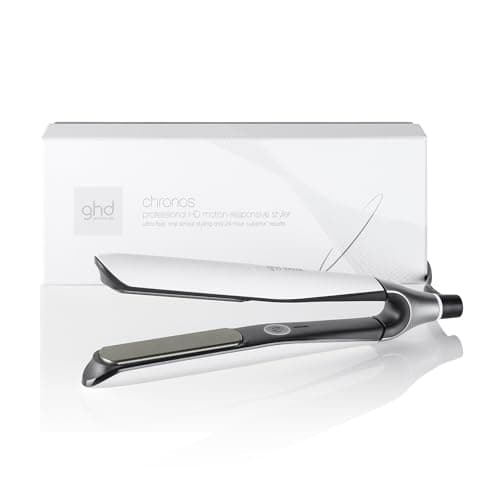
Single review
Floating plates, a wide-plate option, a three-year warranty, and no published voltage.
Updated September 2026 · Sawyer V.
Single review
Nine heat settings, 100-240 V, 11.1 oz — the most adjustable iron we list.
Updated September 2026 · Sawyer V.
ghd Head-to-Head
The two published rows that separate ghd's flagship irons, and who each suits.
Updated September 2026 · Sawyer V.
Guide
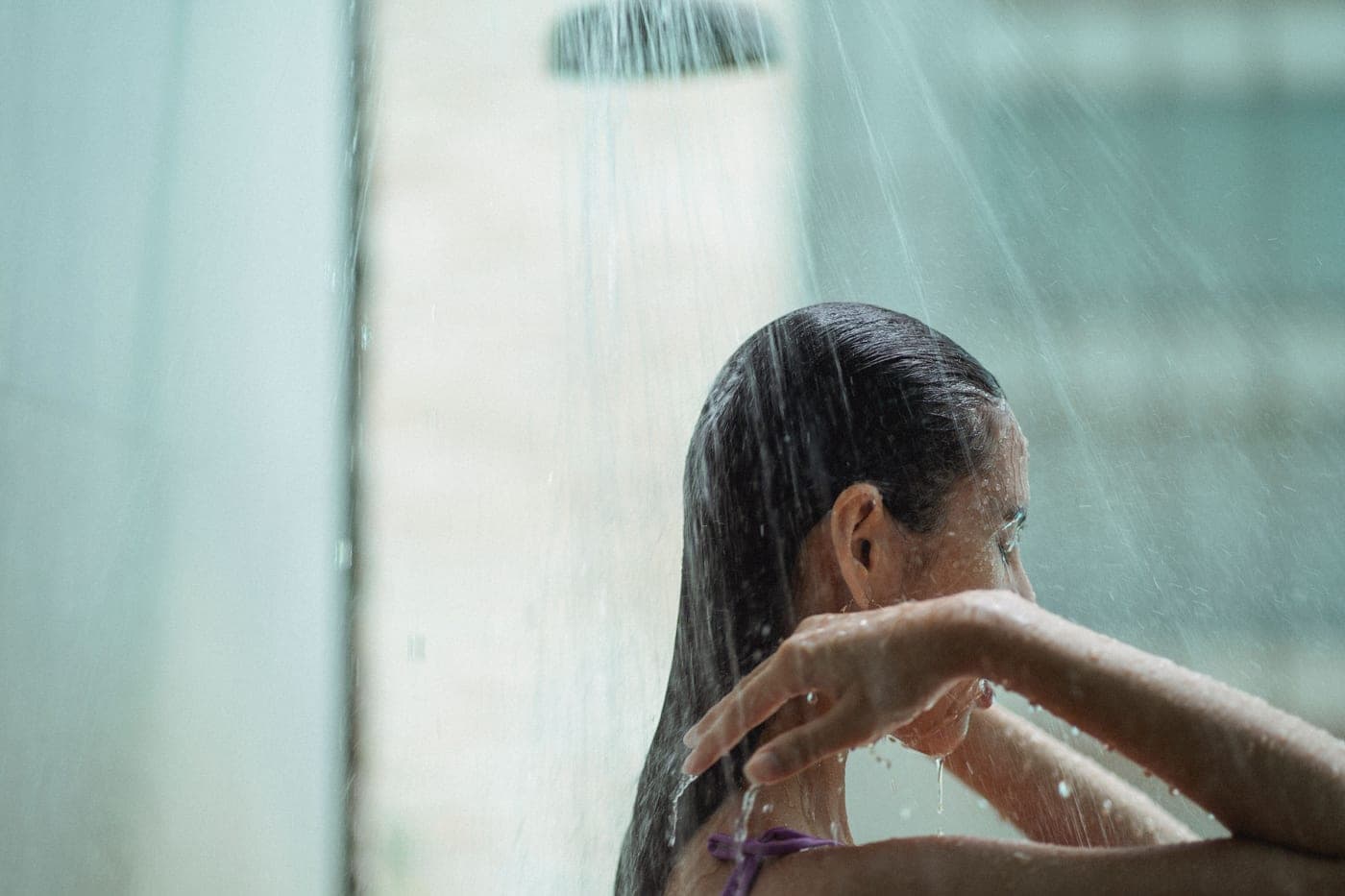
What heat does to wet hair under the microscope, and what to buy instead.
Updated September 2026 · Sawyer V.
Guide
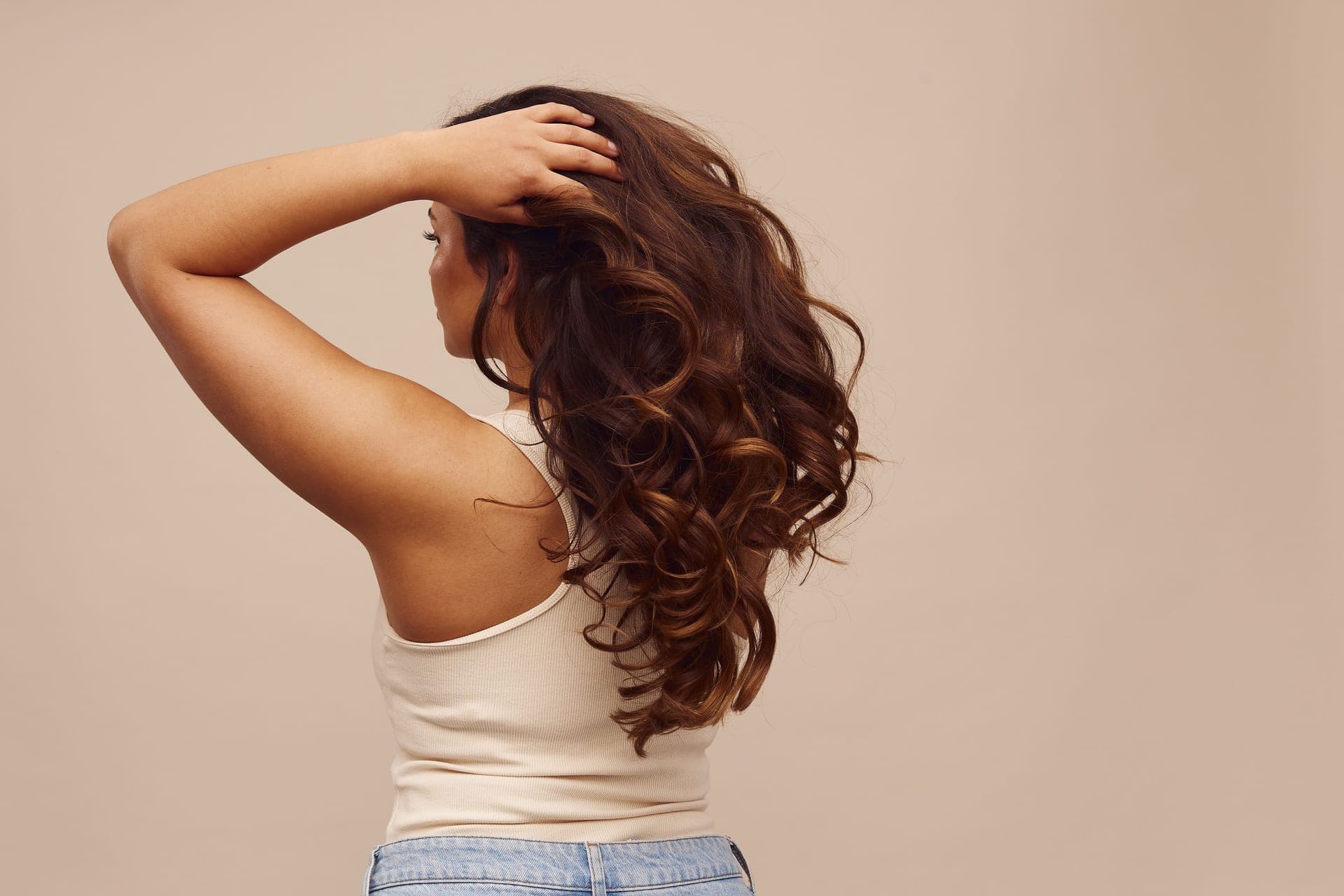
Three wave shapes from one iron, and the wrist movement that produces each.
Updated September 2026 · Sawyer V.
Best Ceramic
Which irons publish ceramic plates, and what the material actually changes.
Updated September 2026 · Sawyer V.
Best for Long Hair
Plate width and cord length for long sessions, and the ends you should treat differently.
Updated September 2026 · Sawyer V.
Guide
Tourmaline is an additive, not a plate material - and no maker publishes a number for it.
Updated September 2026 · Sawyer V.
For a Silk Press
The irons whose published specs suit a silk press, and the temperature question underneath it.
Updated September 2026 · Sawyer V.
Best First Iron
Fewest decisions, lowest chance of overshooting, and the specs that make mistakes hard.
Updated September 2026 · Sawyer V.
Fixed-Temperature Head-to-Head
Two fixed-temperature irons, 27 degrees apart - and which gap suits which hair.
Updated September 2026 · Sawyer V.
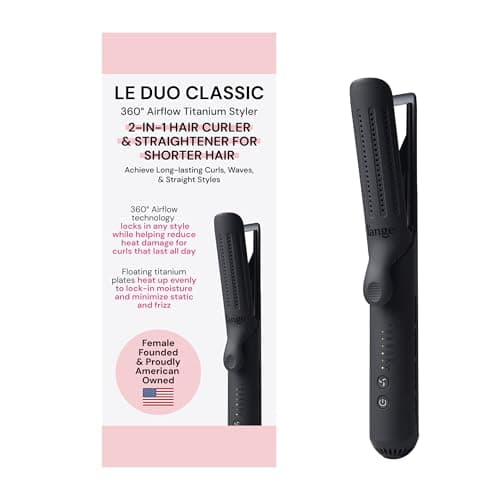
Best Titanium Iron
The irons that publish titanium plates, and the hair that actually benefits.
Updated September 2026 · Sawyer V.
For Keratin-Treated Hair
Irons that can sit at a stated number, for hair the salon has already treated.
Updated September 2026 · Sawyer V.
Guide
The one cordless iron here, what it publishes, and when a cord is better.
Updated September 2026 · Sawyer V.
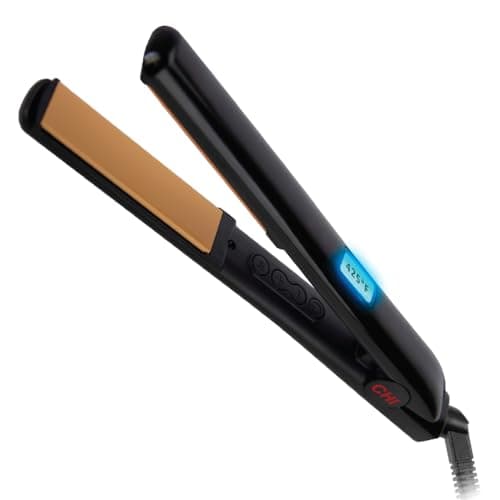
Longest Cord Reviewed
A fixed 392°F, an 11 ft cord, and what to buy if that number is wrong for you.
Updated September 2026 · Sawyer V.
Lowest Published Floor
A 280°F floor, dual voltage, and the smallest power draw in the registry.
Updated September 2026 · Sawyer V.
Single review
A fixed 395°F, the heaviest iron here at 2.08 lb, and who should buy something else.
Updated October 2026 · Sawyer V.
Head to head
A fixed 395°F against a published 280-430°F range, at a third of the weight.
Updated October 2026 · Sawyer V.
Best Professional Flat Iron
What the professional label actually buys on a flat iron, ranked on published specs.
Updated October 2026 · Sawyer V.
Flagship Iron Head-to-Head
A fixed 365°F with three years of cover against nine settings at 11.1 oz.
Updated September 2026 · Sawyer V.
Cordless vs Corded Iron
A battery and flexing plates against a fixed 365°F and three years of cover.
Updated September 2026 · Sawyer V.
Low-Heat Head-to-Head
A published 280°F floor at 0.8 lb against a fixed 365°F and three years.
Updated September 2026 · Sawyer V.
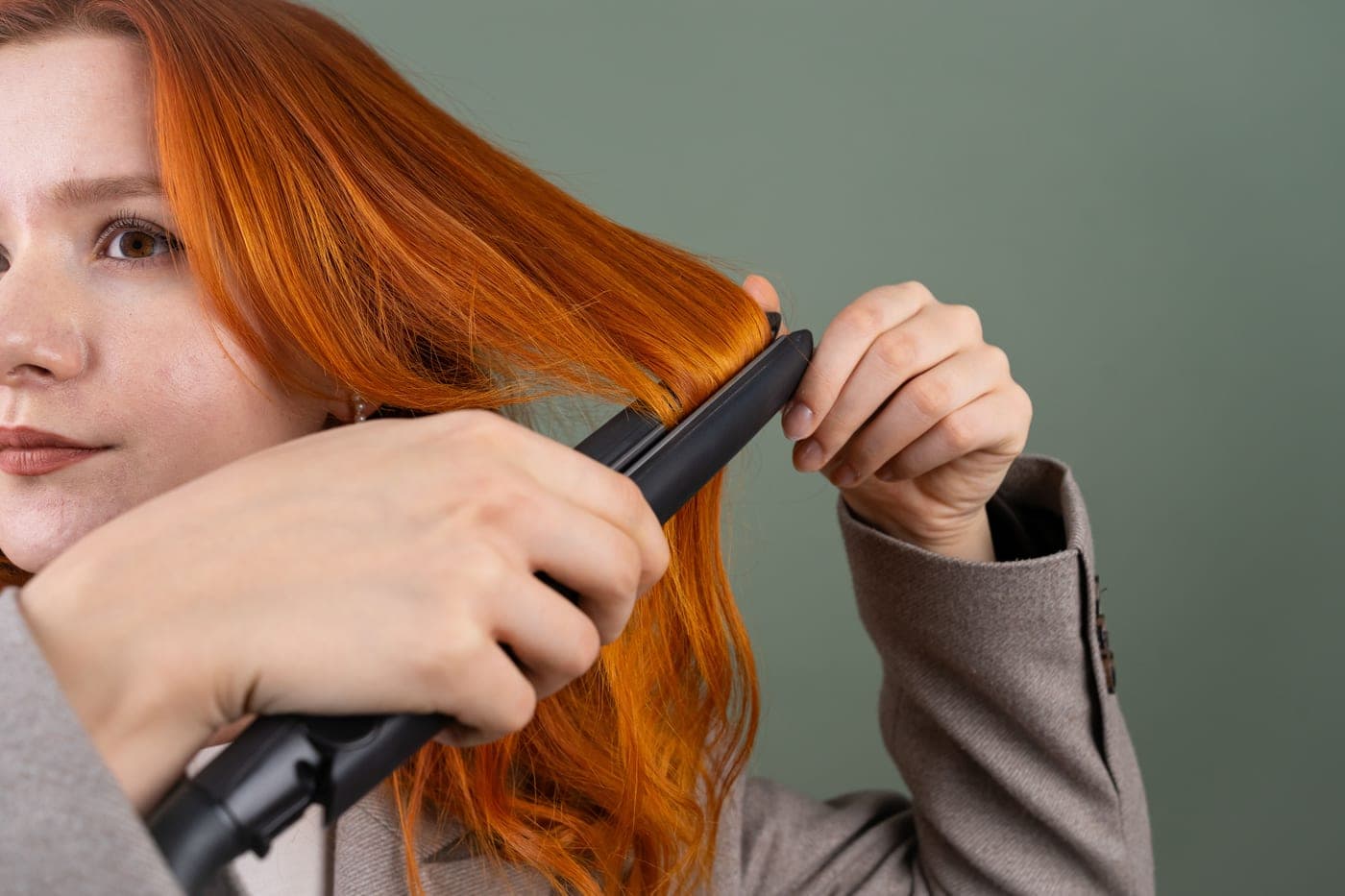
Within-Brand Iron Pick
1.4 lb against 2.08 lb, for a preset difference you cannot feel.
Updated September 2026 · Sawyer V.
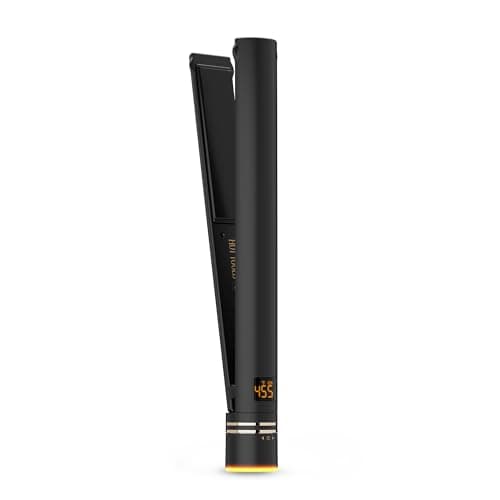
Single review
Lifetime cover and a 455°F ceiling, against three specification rows Hot Tools leaves blank.
Updated October 2026 · Sawyer V.
Head to head
Variable heat and lifetime cover against a fixed 392°F, 1.4 lb and dual voltage.
Updated October 2026 · Sawyer V.
Best Iron for Frizz
One-pass picks for frizz, ranked on plates and published heat control - plus the 455°F ceiling we would skip here.
Updated October 2026 · Sawyer V.
Best Iron for Colored Hair
Ranked on the published low end, not the ceiling - plus the fixed 395°F we would not put near colored hair.
Updated October 2026 · Sawyer V.
A flat iron is unlike every other tool on this site: it does not blow warm air near your hair, it clamps a heated surface onto it. Whatever temperature that plate reaches, your hair reaches. So the useful question is not how hot an iron gets — most current irons top out somewhere in the mid-400s Fahrenheit — but whether it lets you work usefully at a lower number.
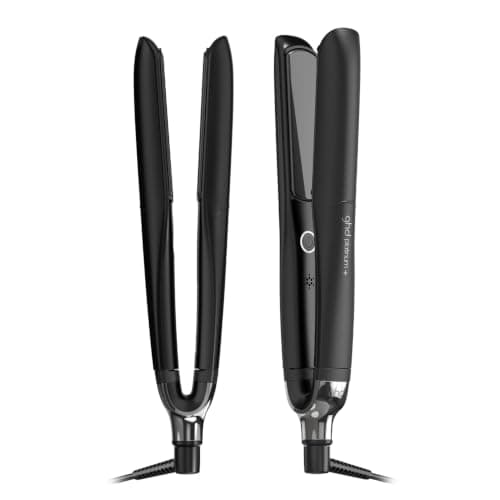
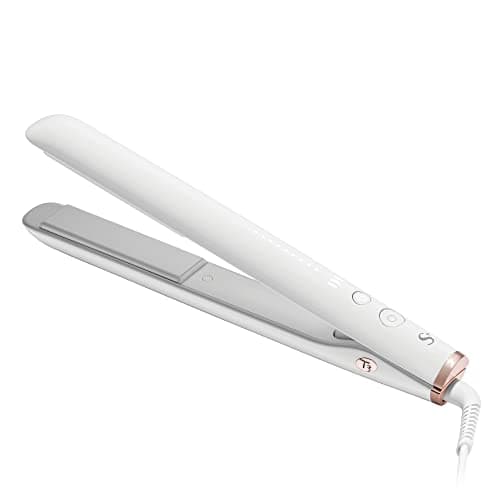
The two ends of that spectrum are both represented in our registry and they are genuinely different philosophies. The ghd Platinum+ publishes a single fixed temperature, 365°F, with no dial at all: the maker has decided the setting for you and removed the option to get it wrong. The T3 SinglePass StyleMax publishes nine heat settings and hands the decision back. Neither is obviously right, and which suits you depends entirely on whether you are the kind of person who turns an iron to maximum because the first pass did not take.
If that describes you, the fix is upstream of the tool. Our flat iron temperature table by hair type is the page to read before you buy anything.
These three words appear on almost every iron sold and are the most commonly confused specification in the category. Briefly: ceramic describes a plate coating that heats relatively evenly and more gradually; titanium describes a metal plate that heats faster and transfers heat more aggressively; tourmaline is a mineral used in coatings, credited by manufacturers with ionic output. Every one of those is a manufacturer’s claim about their own product, and we treat it as such rather than as physics we have verified.
What we can compare is what each maker actually states about their plates, side by side, which is the whole of ceramic versus titanium.
One inch is the default for a reason: it handles most lengths and can still get near a root. Wider plates cover more hair per pass, which suits long thick hair and actively fights you on a bob. Narrow plates reach short layers and fringe. This is one of the few decisions in this category where the right answer is genuinely determined by something you already know about yourself, so it is worth resolving before any brand enters the conversation.
The irons here carry two-year and three-year warranties, and the longest belongs to the most expensive. That is at least consistent. More useful is voltage: the ghd Platinum+ publishes universal voltage and the T3 SinglePass StyleMax publishes 100–240 V, which means both work abroad on a plug adapter alone. Plenty of irons do not, and finding that out in a hotel room is a bad way to learn it. We keep the list at dual voltage hair tools for travel.
We have not straightened anyone’s hair with these irons. Every number on these pages comes off a manufacturer’s published product page and is linked to it, every running cost is computed from those numbers, and every roundup names one iron we would not buy and says why using nothing but published information. Where a maker declines to publish a wattage or a weight — and several do — the row says “Not published” rather than an estimate that would look tidier.
In American usage they are the same tool, and manufacturers use both words on the same product page. Straightener is also used more loosely in the UK and can include heated brushes and straightening combs, which behave quite differently.
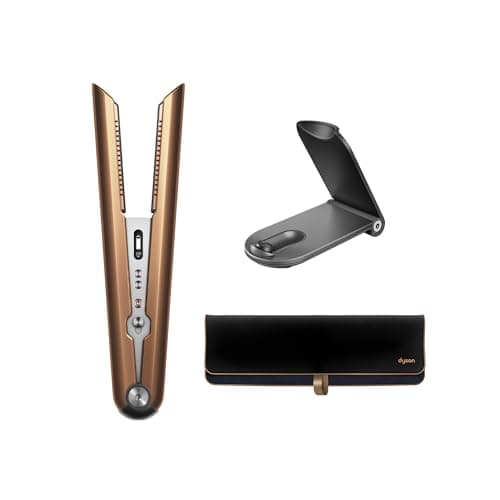
Lower than most irons default to. ghd sets its Platinum+ at a single fixed 365 degrees Fahrenheit and Dyson names 365 as the starting point for the Corrale, which makes the mid-300s the manufacturers' own answer for average hair. Fine or damaged hair should start below that.
Neither is better in the abstract. Manufacturers position titanium for coarse and thick hair because it transfers heat faster, and ceramic for fine or damaged hair because it heats more gradually. Both descriptions come from the makers rather than from testing we have done.
Less often than most people do, and the honest answer depends on your hair's condition rather than on a fixed number. We work through what the published guidance actually supports rather than inventing a frequency.