Best for Fine Hair
The Best Curling Irons for Fine Hair in 2026
Low-heat curling for fine hair, and why more heat is the wrong fix.
Updated September 2026 · Sawyer V.
Published specs · Real running costs · One pick we’d skip
Section
Barrel diameter decides the curl. Everything else on the box decides whether you enjoy using it.
Updated September 2026 · Sawyer V.
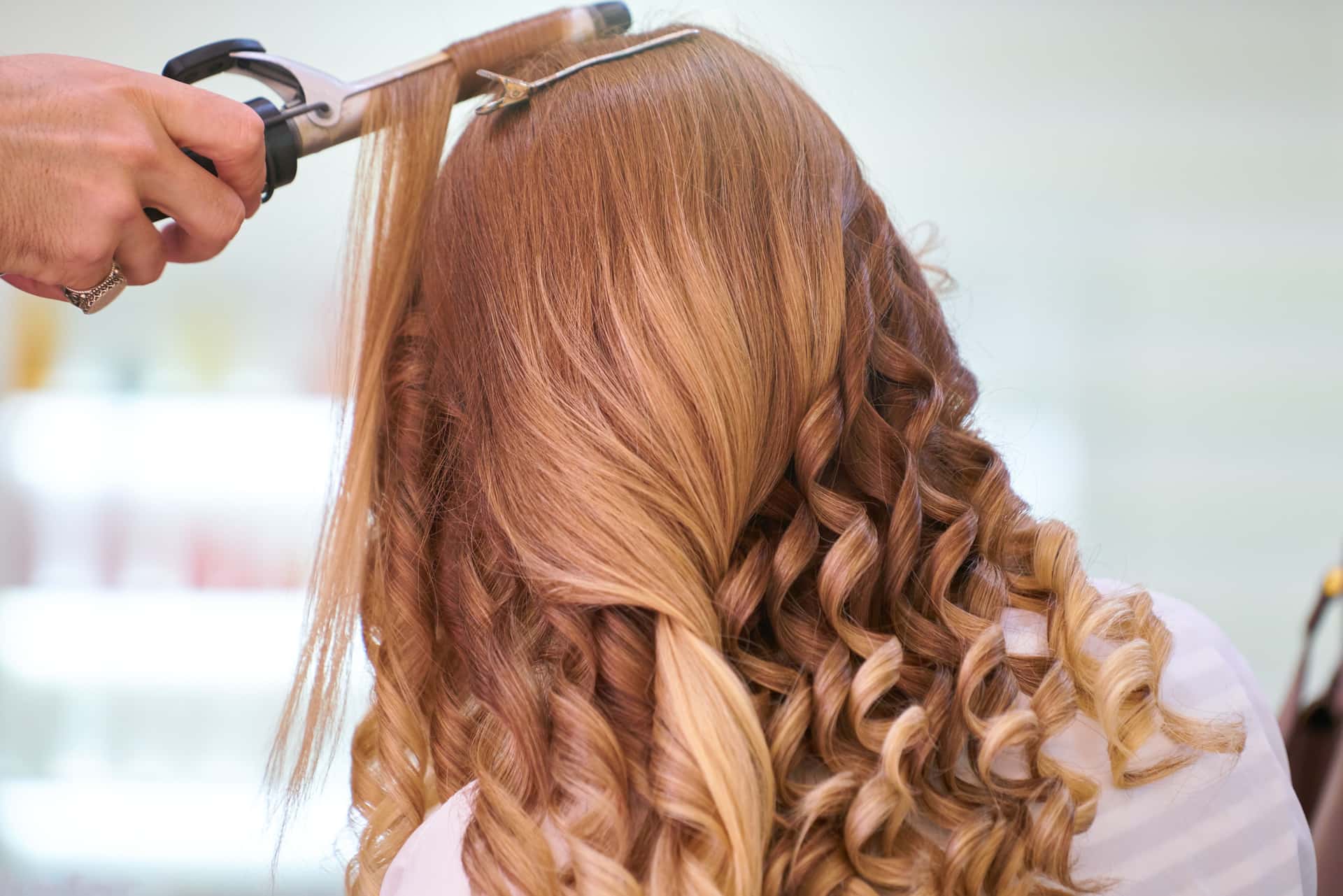
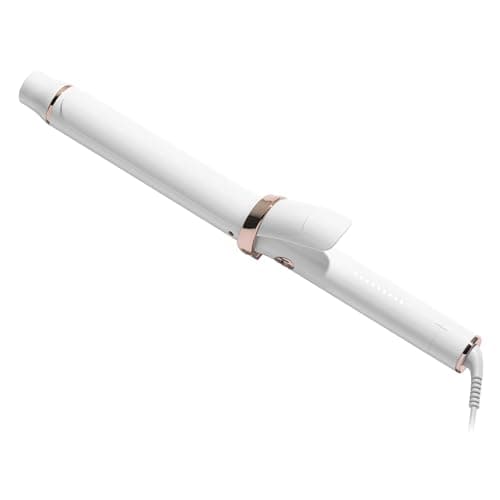
Barrel diameter sets the curl: around 1 inch for defined curls, 1.25 for the standard soft curl, 1.5 and up for loose waves. A clipped iron is easier to learn; a clipless wand gives a less uniform, more natural-looking result. Heat settings matter more than maximum temperature.
We earn a commission if you buy through the links on this page, at no extra cost to you. It never changes which tool we pick or which one we tell you to skip. How this site is funded.
Best for Fine Hair
Low-heat curling for fine hair, and why more heat is the wrong fix.
Updated September 2026 · Sawyer V.
Best for Beach Waves
Larger barrels, looser technique, and the tools that actually deliver undone waves.
Updated September 2026 · Sawyer V.
Guide
Why a flat iron is the more versatile buy, and when it still is not the right one.
Updated September 2026 · Sawyer V.
Best for Thick Hair
Barrels and heat recovery for dense hair, and the tool we would skip.
Updated September 2026 · Sawyer V.
Best for Short Hair
Small barrels for short cuts, and the geometry that decides what works.
Updated September 2026 · Sawyer V.
Guide
Clip or clipless, what each does to the curl, and which to learn on.
Updated September 2026 · Sawyer V.
Guide
What diameter, length and weight each do, with the published figures side by side.
Updated September 2026 · Sawyer V.
Best for Curly Hair
When curly hair genuinely needs an iron, and which barrel matches which pattern.
Updated September 2026 · Sawyer V.
Single review
Curve Thin against Chronos Curve Classic, and the row that separates them.
Updated September 2026 · Sawyer V.
Single review
Nine heat settings, a published barrel length, and a weight for every size.
Updated September 2026 · Sawyer V.
Single review
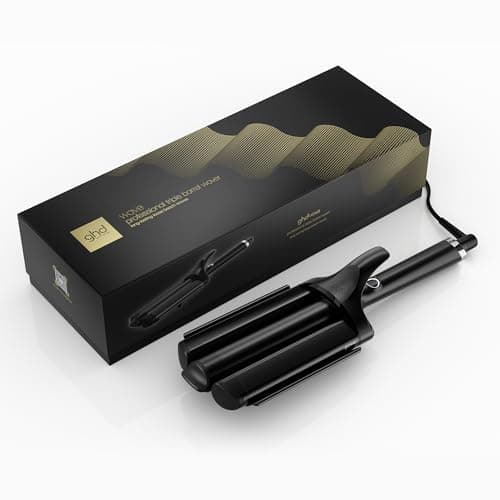
Three barrels in one pass, fixed 365 degrees, and four blank spec rows.
Updated September 2026 · Sawyer V.
Best for Long Hair
Barrel length and rotation for long hair, and the tool that adds sections.
Updated September 2026 · Sawyer V.
Best for Damaged Hair
Adjustable heat and fewer passes for compromised hair, and the tool to avoid.
Updated September 2026 · Sawyer V.
Guide
The cooling step most people skip, and the three other reasons curls fall.
Updated September 2026 · Sawyer V.
Best Curling Wand
What makes a wand a wand, and the one true clipless tool we cover.
Updated September 2026 · Sawyer V.
Best Automatic Curler
Rotating barrels against airflow wrapping, and which mechanism suits which hair.
Updated September 2026 · Sawyer V.
Best Waver
Crimp versus wave scale, and the triple-barrel tool we actually cover.
Updated September 2026 · Sawyer V.
Best for Travel
The three curling tools that publish a voltage you can trust abroad.
Updated September 2026 · Sawyer V.
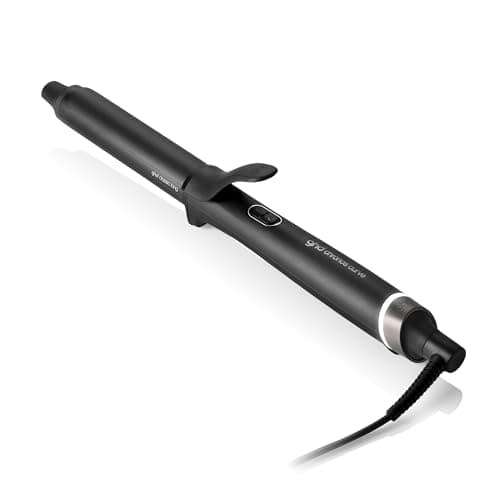
Best First Curling Iron
Why a clipped iron beats a wand for a first curl, and which specs make it easier.
Updated September 2026 · Sawyer V.
For Extensions
The tools that can sit low enough for extensions - and the one to keep away from a bond.
Updated September 2026 · Sawyer V.
Curling Head-to-Head
Lifetime cover and four barrel sizes, against nine stated settings and a published weight.
Updated September 2026 · Sawyer V.
For Coils and 4C
Barrel size, a stated temperature and clip design, for defining coils rather than pressing them.
Updated September 2026 · Sawyer V.
For Colored Hair
The curling tools that publish a low, selectable temperature for colored hair.
Updated September 2026 · Sawyer V.
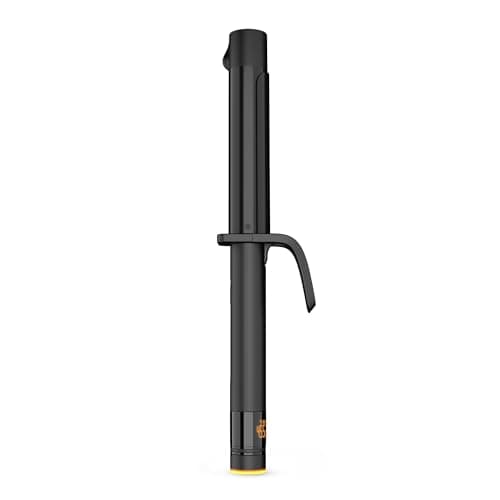
Lifetime Warranty Pick
Lifetime cover and four barrel sizes, against three rows the maker leaves blank.
Updated September 2026 · Sawyer V.
Fixed-Temperature Curl
A fixed 365°F clipped barrel, and the three specifications ghd withholds.
Updated September 2026 · Sawyer V.
Single review
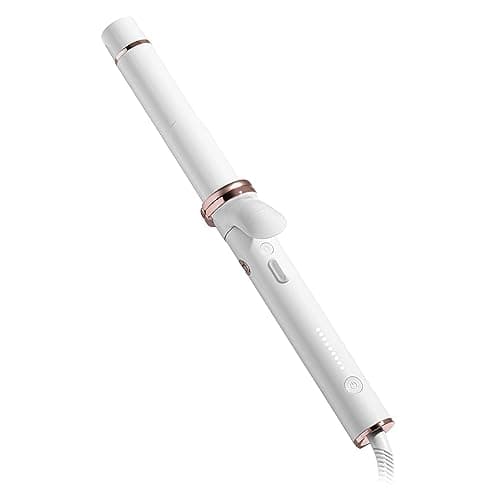
A self-rotating barrel at 77 W and 13.4 oz, nine settings, and the figure T3 still will not publish.
Updated October 2026 · Sawyer V.
Best Budget Curling Iron
Lifetime cover and four barrel sizes at the cheapest price here - plus the premium wand not to stretch for.
Updated October 2026 · Sawyer V.
Head to head
A fixed 365°F half-inch wand against nine settings on a 6.5-inch barrel - the barrel decides it.
Updated October 2026 · Sawyer V.
Curling Iron Head-to-Head
A clipless fixed 365°F against four diameters and a lifetime warranty.
Updated September 2026 · Sawyer V.
Guide
The order that works: one temperature, four sections, wrap away from the face, cool before you let go.
Updated October 2026 · Sawyer V.
Best Curling Iron for Frizz
Ranked on clamping, passes per section and how low the heat goes - the three rows that decide frizz.
Updated October 2026 · Sawyer V.
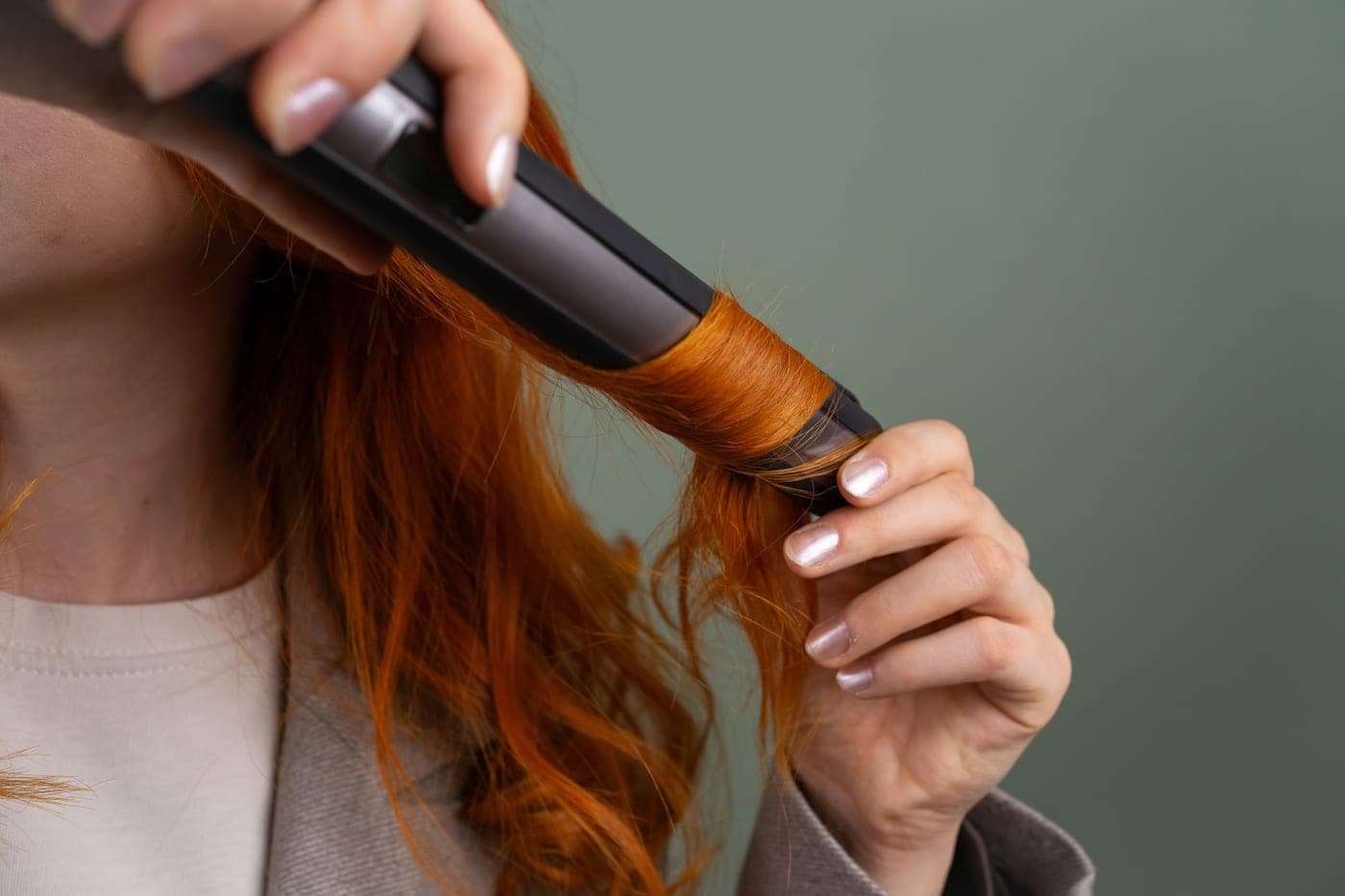
Within-Brand Curling Pick
78 W against 77 W, nine settings each - and one of them turns its own barrel. That is the whole decision.
Updated October 2026 · Sawyer V.
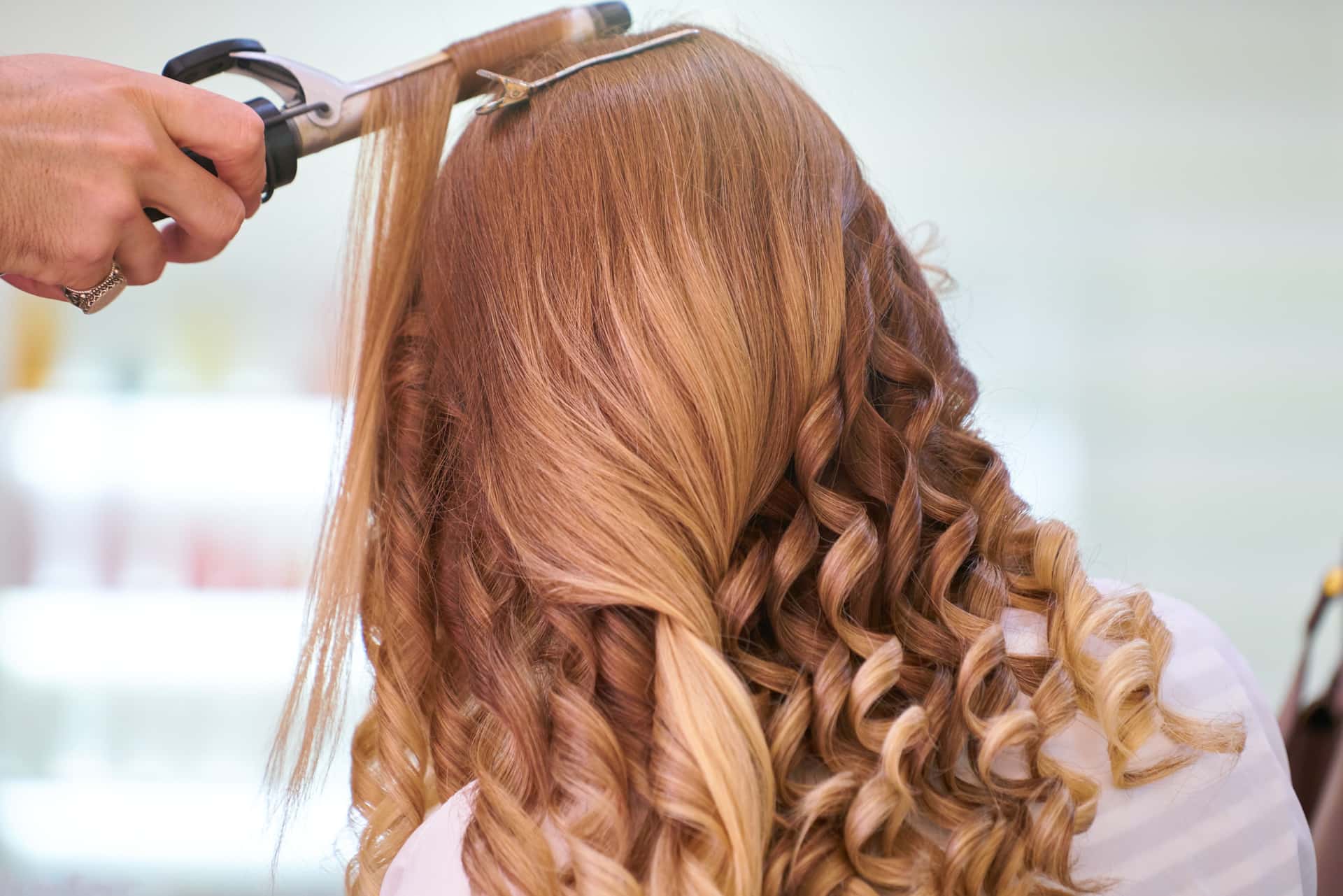
Almost every other question about curling irons is downstream of one number. A smaller barrel wraps more turns into the same length of hair, producing a tighter, springier curl that drops less over the day. A larger barrel produces fewer, looser turns that read as a wave rather than a curl. Roughly: 1 inch and below for definition, 1.25 inch for the everyday soft curl most people picture, 1.5 inch and above for loose waves on long hair.
Hair length interacts with this. The same 1.25-inch barrel that gives a soft curl on shoulder-length hair barely bends waist-length hair, because there is so much more weight pulling the shape out. If your hair is long and your curls keep falling, the barrel is usually the variable rather than the technique.
A clipped iron holds the end of the section for you, which makes it far easier to learn and produces an even, repeatable curl. A clipless wand needs you to hold the end yourself — usually with a glove — and gives a slightly irregular result that reads as more natural. Neither is better; they are different finishes and different learning curves. A wand is also the more forgiving tool if you are trying to avoid a uniform, set look.
Curling irons publish less than dryers do, but two rows are worth checking before you buy. The first is heat settings: the T3 SinglePass Curl X publishes nine, which is unusually granular in a category where plenty of tools offer high and low. The second is voltage, and T3 publishes 100–240 V auto world voltage, so it travels on an adapter alone.
One more thing worth noticing, because it is rare: T3 publishes a separate weight for each barrel size — 10.6 oz, 13.2 oz and 15.1 oz for the 1, 1.25 and 1.5 inch versions. Most makers publish a diameter and stop. A curling iron is held at head height with your arm bent for the length of a whole styling session, so those ounces are not trivia.
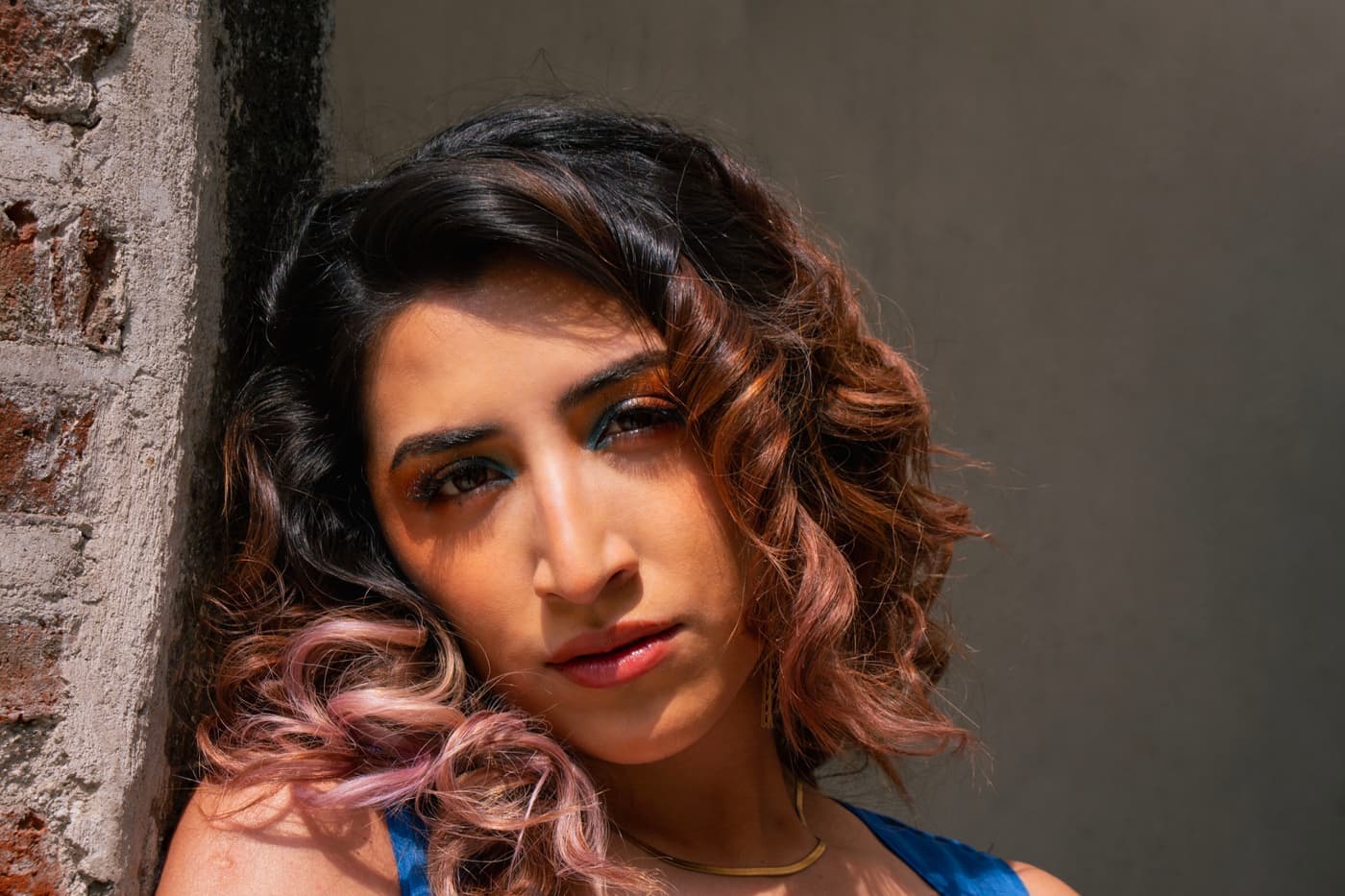
A curl sets as the hair cools, not while it is hot. That is the single most useful thing to know about this tool, and it is why turning the temperature up rarely fixes a curl that will not hold — letting each curl cool in your hand before releasing it usually does. It is also why a higher maximum temperature is a poor reason to choose one iron over another.
If your curls are dropping and you have been compensating with heat, read how to tell if hair is heat damaged before you buy a hotter tool. Damaged hair holds a curl badly, which makes the whole thing self-reinforcing.
Match the barrel to the curl you want and the length you have: around 1 inch for defined curls, 1.25 inch for a standard soft curl, 1.5 inch and up for loose waves. Longer hair needs a smaller barrel than you would expect, because weight pulls the shape out.
Usually because the curl was released while still warm. Hair sets as it cools, so letting each curl cool in your hand before letting go does more than raising the temperature. Fine hair also holds less shape and benefits from a smaller barrel.
Yes, and plenty of people do. It gives a bendier, more S-shaped wave than a barrel does and takes more practice to keep even. If curls are the main thing you want, a dedicated barrel is easier.