Curling Irons & Wands
How to Use a Curling Iron Properly
Almost every curling-iron complaint comes from two mistakes, and neither of them is the iron. Here is the order, and where to stop.
Updated October 2026 · Sawyer V.
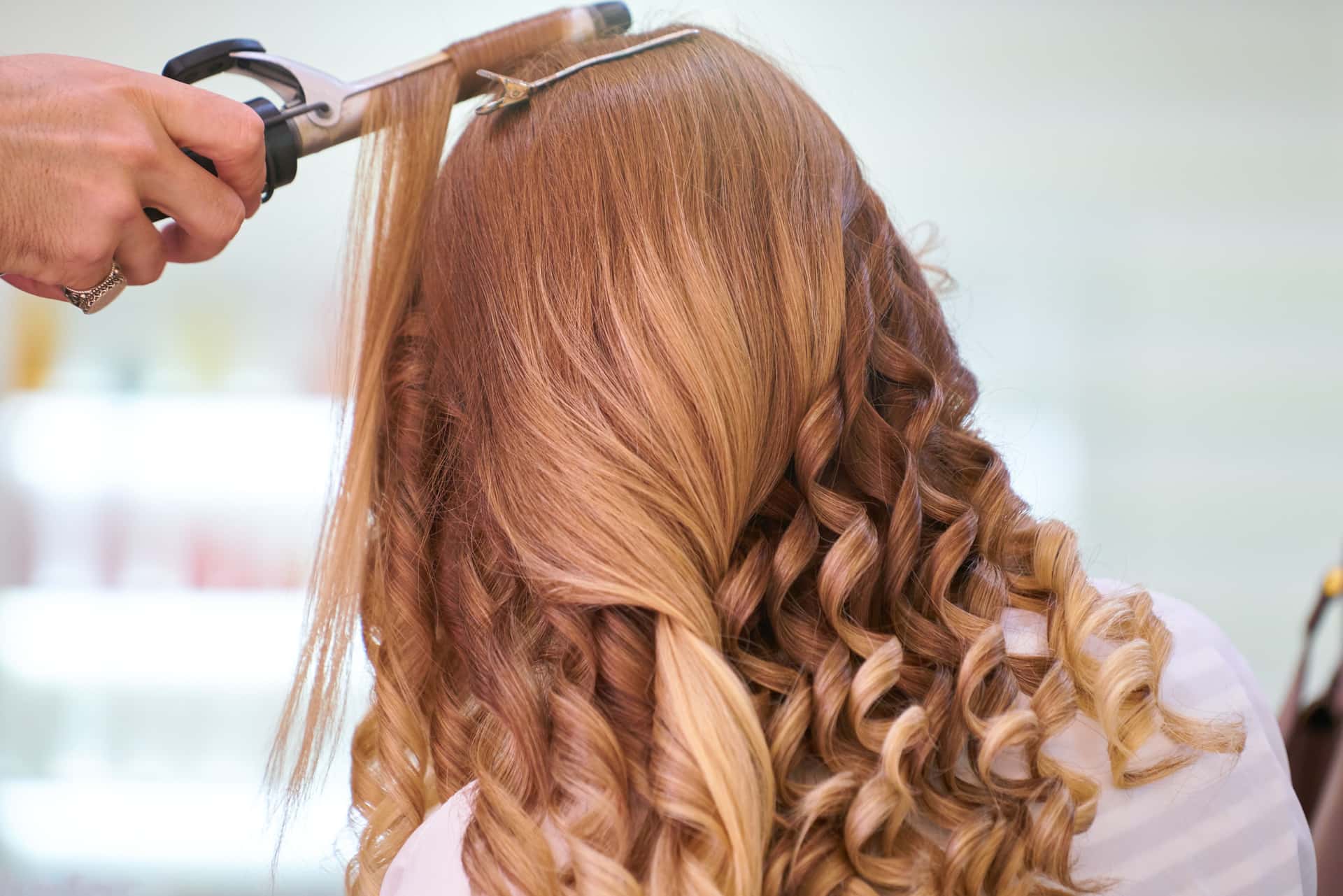
Start on dry hair with a heat protectant, set the lowest temperature that holds a curl on your hair and leave the dial alone, work in four sections, wrap away from your face, hold five to eight seconds, then let the curl cool in your hand before you touch it. Hair takes its shape as it cools, not while it is hot — which is why holding the iron longer makes a curl hotter rather than longer-lasting.
We earn a commission if you buy through the links on this page, at no extra cost to you. It never changes which tool we pick or which one we tell you to skip. How this site is funded.
The order, start to finish
- Hair dry, and brushed out. A curling iron on damp hair turns the water in the fiber to steam inside the cuticle, which is a different and worse kind of damage than dry heat — why you never iron wet hair. Brush it through first; the iron cannot fix a tangle, it can only set one.
- Heat protectant, then let it dry. Spray, comb through, and wait until it is no longer damp. A protectant applied and immediately ironed is water again — heat protectant covers what the evidence actually supports.
- Set the temperature once. The number comes from your hair, not from the iron. Start at the bottom of the range your hair type can use and only move up if the curl does not hold — what temperature is actually safe has the table. Then stop touching it.
- Four sections. Two at the back, one on each side, clipped up. Working without sections is how people end up going back over hair they have already curled, which is twice the heat for a worse result — how to section hair.
- Sections about an inch wide, no thicker. A thick section heats on the outside and not the inside, so the curl drops within an hour. Thinner takes longer and lasts longer.
- Start an inch or two from the root. Not at the scalp. Root-level heat is where scalp contact risk lives, and it adds nothing to the shape.
- Wrap away from your face. Both sides, mirrored. This is the single change that makes a home curl look professional, and it costs nothing.
- Five to eight seconds, then release. If the curl will not hold after eight seconds the problem is section thickness or temperature, not duration.
- Catch it and let it cool in your hand. This is the step almost everybody skips, and it is the one that decides how long the curl lasts — why curls drop, and what holds them has the physics.
- Do not brush it out until the whole head is cold. Then shake it out with your fingers, or brush for a softer wave.
Why cooling is the whole trick
A curling iron does not curl hair. It makes hair able to be curled, by heating it past the point where its hydrogen bonds let go; the shape is then taken as those bonds reform, which happens while the hair cools. So the curl is set by the cooling, not by the heating.
Two consequences follow, and they are the two most useful facts on this page. First, holding the iron longer does not make a longer-lasting curl — past the point where the hair is hot through, extra seconds only add heat. Second, anything that cools the curl while it is stretched out destroys it: dropping the curl straight out of the barrel, brushing it immediately, or walking into cold air with your hands through your hair.
Which is why the professional habit is to pin each curl up as it comes off the barrel and take them all down cold. On a party night that is the difference between a curl that survives the evening and one that is gone by the time you arrive — the holiday-party timeline is built around it.
What to set it to, by what the makers publish
Only some of these tools let you choose, and that is worth knowing before you buy rather than after.
Every curling tool in this registry, and what it lets you set
| Tool | What you can set | Barrel | Voltage |
|---|---|---|---|
| T3 SinglePass Curl X | 9 heat settings (steps, not degrees) | 6.5 in ceramic, 1 / 1.25 / 1.5 in diameters | Yes - 100-240 V |
| T3 CurlWrap | 9 heat settings, 2 rotation speeds | Self-rotating, 1 and 1.25 in | Yes - 100-240 V |
| Hot Tools Black Gold | Variable, up to 455°F | Ceramic-titanium, 0.75 / 1 / 1.25 / 1.5 in | Yes - universal |
| ghd Curve Thin | Nothing - fixed 365°F | 0.5 in, clipless | Yes - universal |
| ghd Chronos Curve Classic | Nothing - fixed 365°F | 1 in ceramic, clipped | Not published |
| ghd Wave | Nothing - fixed 365°F | Three barrels, waver | Not published |
Quoted from each maker's own product page. ghdhair.com returned HTTP 403 to an automated fetch on 2026-10-17, so the ghd rows are the readings already on file with their source URLs.
Two honest observations. ghd’s fixed 365°F is a real design position rather than a cost saving — it is a decision made on your behalf, in the safe direction, and it removes the commonest mistake (turning it up). And T3 publishes nine steps rather than nine temperatures, so you cannot check a T3 setting against guidance for your hair; you can only find the lowest step that works and remember it. Why a dial number is not a temperature goes through this properly.
Clamp or clipless changes the technique
A clamped iron holds the end of the section for you, which is easier, and it leaves a mark where the clamp sits if you start too close to the tip. A clipless wand needs your other hand to hold the end, which takes a session to learn, and it cannot leave a clamp line because there is no clamp.
With a clamp: open at the tip, close an inch or two down the section, wind up toward the root. With a wand: hold the end against the barrel with a heat-proof glove or your fingertips on the cool tip, and wrap down. The full comparison is at wand vs clamp, and the diameter question — which decides whether you get a curl or a wave — is at barrel size.
There is a third shape. The T3 CurlWrap rotates its own barrel, so the wrap happens without the wrist movement at all. If the technique is the obstacle rather than the heat, that is the tool that removes it — automatic curling irons and the CurlWrap review.
The five things that go wrong
- A crease where the clamp was. You started the clamp at the very tip. Start it further down and tuck the end under.
- The curl drops within the hour. Section too thick, or you let it cool stretched out. Thinner sections, and cool it coiled.
- Straight, limp ends. The last inch never touched the barrel. Wind all the way down, or wind from the tip up.
- Curls that point in random directions. You changed wrap direction mid-head. Away from the face, both sides, every time.
- Dry, rough ends after a few weeks. That is cumulative heat, not technique — the signs are at how to tell if hair is heat damaged, and how often you can safely heat-style is the frequency question.
If your hair fights you
- Fine hair. Lower temperature, thinner sections, shorter hold. It heats faster than you expect — curling irons for fine hair.
- Thick or coarse hair. Smaller sections rather than a higher setting, and accept that it takes longer — curling irons for thick hair.
- Curly or coily hair. A curling iron is a shape-changing tool here, not a curl-making one — curling irons for curly hair and curling irons for 4C and coily hair.
- Colored, bleached or damaged. The bottom of the range, every time — curling irons for color-treated hair and curling irons for damaged hair.
- Short hair. A 0.5 in barrel, because a big barrel cannot complete a turn on a short section — curling irons for short hair.
- It is frizzing as you curl. That is a cuticle problem rather than a technique one — curling irons for frizzy hair.
Three safety rows nobody publishes
Worth stating plainly, because the spec sheets do not. No maker in this registry publishes a barrel surface temperature at the point of contact, an auto shut-off time for most tools, or a safe scalp distance. ghd publishes a sleep mode on the Chronos Curve Classic and a cool tip and safety stand on the Curve Thin, which is more than most. Everything else is on you: use the stand, never put a hot iron on a counter, and keep it away from the scalp. A heat-resistant mat is three dollars of insurance — heat mats and pouches.
Cleaning, because it changes how it works
Product residue bakes onto a barrel and stops it gliding, which makes you pull harder and hold longer — so a dirty iron is a hotter iron in practice. Cool it completely, wipe the barrel with a damp cloth, and never use anything abrasive on a coated surface. Cleaning and maintenance has the method, and how to store hair tools covers the cord habit that kills most of them.
The tools on this page
Prices come from the live price layer. Where none is available the button says so rather than showing a number we cannot stand behind.
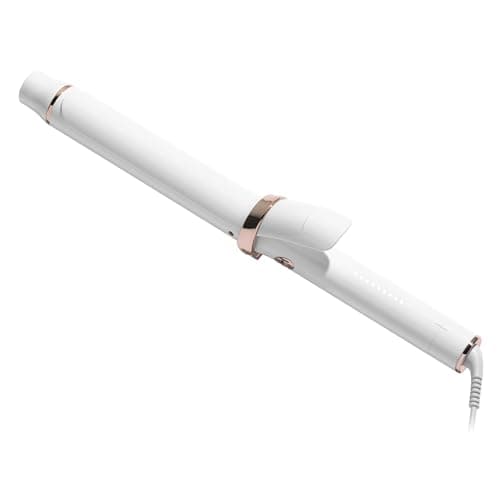
T3 SinglePass Curl X extra-long barrel curling iron
A 6.5-inch barrel and a separate published weight for every barrel size — unusual disclosure in a category where most makers publish a diameter and stop.
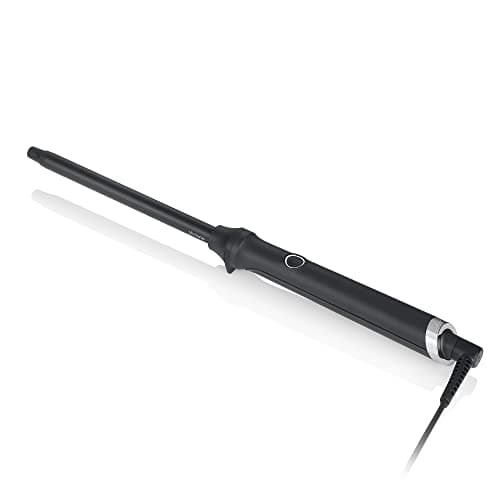
ghd Curve Thin curling wand (0.5 inch barrel)
A 0.5 inch barrel is the smallest in this registry and the one that holds a curl on short hair, with a 30-second heat-up and universal voltage.
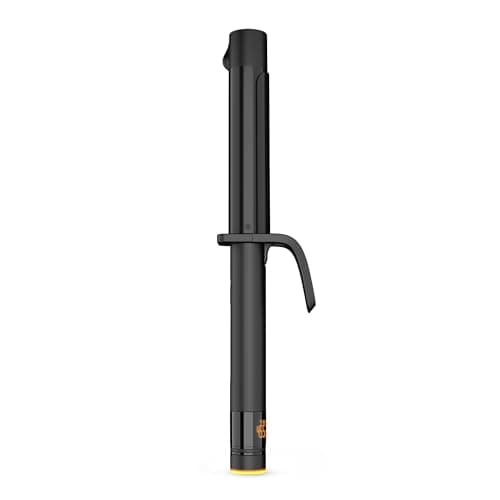
Hot Tools Black Gold 1¼" Digital Salon Curling Iron
A lifetime limited warranty and universal dual voltage on a curling iron that costs a fraction of the ghd Curve — against no published wattage and no published weight.
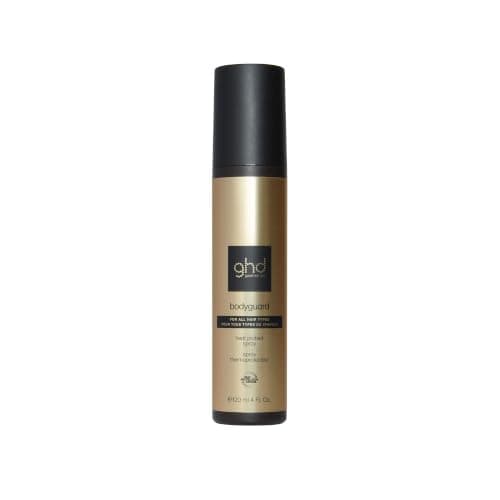
ghd Bodyguard heat protect spray
The heat protectant from a brand that fixes every tool it makes at 365°F — the same company arguing for restraint, selling the thing that buys you some.
Questions people actually ask
How long should you hold a curling iron on your hair?
Five to eight seconds per section. Longer does not make a longer-lasting curl — hair takes its shape as it cools rather than while it is hot, so extra seconds only add heat. If the curl will not hold after eight seconds, the section is too thick or the temperature is too low.
What temperature should I set my curling iron to?
The lowest setting that holds a curl on your hair, found once and then left alone. Fine, colored or damaged hair wants the bottom of the range; coarse, dense hair can take more. ghd fixes every tool it makes at 365 degrees Fahrenheit, which removes the decision entirely.
Should you curl hair away from your face or toward it?
Away from the face, mirrored on both sides. It is the single change that makes a home curl look professional, and it costs nothing. Changing direction partway round the head is why home curls often point in random directions.
Can you use a curling iron on wet hair?
No. The water in the fiber turns to steam inside the cuticle, which is a different and worse kind of damage than dry heat, and the curl will not hold anyway. Dry first, then protect, then curl.
Why does my curl fall out within an hour?
Almost always one of two things: the section was too thick, so the inside of it never got hot, or you let the curl cool stretched out instead of coiled. Pin each curl up as it comes off the barrel and take them all down once the whole head is cold.
Do I need a clamp or a clipless curling wand?
A clamp holds the end for you, which is easier to learn, but it can leave a mark if you start at the very tip. A clipless wand needs your other hand and cannot leave a clamp line. Neither is better; the clamp is the easier first tool.
Sources
- T3 Micro — SinglePass Curl X product page
- T3 Micro — CurlWrap automatic rotating curling iron product page
- Hot Tools — Black Gold 1¼" Digital Salon Curling Iron product page
- ghd — Curve Thin curling wand product page (HTTP 403 to an automated fetch on 2026-10-17; figures are the reading on file)
- Evans and Park - thermal cycling and mechanical properties