Guides
How to Clean and Maintain Your Hair Tools
Every tool in this category fails the same two ways, and both are preventable in about five minutes a month.
Updated September 2026 · Sawyer V.
Heated tools fail two ways: airflow gets blocked, or product residue bakes onto the heated surface and changes how heat transfers. Clean the filter on anything with a motor, wipe plates and barrels cold, and stop wrapping the cord tightly — that last one causes more failures than anything else.
We earn a commission if you buy through the links on this page, at no extra cost to you. It never changes which tool we pick or which one we tell you to skip. How this site is funded.
The two failure modes
Every tool on this site is a heating element plus either a motor or a contact surface, and everything that goes wrong traces back to one of two things.
- Restricted airflow on anything with a motor. Lint clogs the intake, less air moves through, the element runs hotter than designed into that reduced flow, and the thermal cutout starts tripping. This is the “my dryer keeps switching off” complaint.
- Baked-on residue on anything with a heated surface. Heat protectant, dry shampoo and styling product cook onto plates and barrels, and a coated plate transfers heat differently from a clean one — which is why an iron that used to work in one pass suddenly needs two.
Flat irons
- Unplug and let it go completely cold. Cleaning warm plates bakes whatever you are using onto them.
- Wipe the plates with a soft damp cloth. For stubborn residue, a cloth barely dampened with rubbing alcohol works and evaporates cleanly.
- Do not scrape. Ceramic is a coating over a metal plate, and once you have scratched through it the plate will never heat evenly again.
- Clean the gap at the hinge with a cotton bud. Residue collects there and transfers back onto the plates every time you close them.
- Let it dry fully before the next use.
Every month if you use it weekly. Sooner if you use a lot of product or if a pass has started needing a second go.
Curling irons and wands
Same method, one addition: clean the length of the barrel rather than just the part you look at. Product builds unevenly along a barrel, and uneven build produces uneven curls, which people usually blame on technique.
On clipped irons, clean under the clamp. On tools with a cool tip, that is the part your fingers touch constantly and it collects the most residue.
Hot air brushes
The worst offenders in this category, because they combine both failure modes — a motor drawing air and a barrel that hair packs into.
- Pull the shed hair out of the bristles after every few uses. A comb or your fingers; it lifts out as a mat.
- Wipe the barrel surface cold once the bristles are clear.
- Clean the air intake. These have one, and it clogs exactly like a dryer’s.
- Detach the head if it detaches. Revlon publishes a detachable head on the One-Step Volumizer Plus and a non-detachable one on the older Salon One-Step, and over a four-year warranty period that is the difference between a tool you can maintain and one you cannot.
Hair dryers and air stylers
The filter, and nothing else matters nearly as much. Full step-by-step at how to clean a hair dryer, but in short: unplug, let it cool, remove the filter cap, lift out the lint mat, brush the mesh dry, refit.
Air stylers have filters too and people forget, because the tool does not look like a dryer. On a tool whose entire mechanism is airflow, a clogged filter is the difference between it working and it not.
The cadence
A reasonable cleaning schedule
| Tool | What | How often |
|---|---|---|
| Hair dryer | Rear filter | Monthly with daily use; quarterly otherwise |
| Air styler | Filter and attachment interiors | Monthly |
| Hot air brush | Bristles | Every few uses |
| Hot air brush | Barrel surface and intake | Monthly |
| Flat iron | Plates and hinge | Monthly |
| Curling iron or wand | Full barrel length | Monthly |
| Everything | Cord inspection at the handle | Every few months |
No manufacturer in our registry publishes a cleaning interval, so this is our reasoning from the failure mechanisms rather than a maker's instruction. Your own manual takes precedence.
The habit that kills tools
Wrapping the cord tightly around the body after every use. Repeated sharp bending where the cord enters the handle fatigues the conductors inside the insulation until one breaks — producing intermittent power, then none.
It is also almost always classed as misuse, so it is the failure your warranty is least likely to cover. Loop the cord loosely or leave it alone. That single change will do more for the working life of every tool you own than all the cleaning above.
Check where the cord meets the handle every few months. If the insulation is stiff, split or discoloured there, stop using the tool — that is the failure that matters and it is not one to work around.
Storage
- Cold before it goes away. Run the cool shot for a few seconds on anything with a motor; let irons and barrels sit until genuinely cold.
- Out of the bathroom if you can. Electronics and constant steam are a poor pairing.
- Not at the bottom of a drawer under everything else. The heating element in a dryer is a coil, and impact can deform it in ways invisible from the outside.
- Heat mat or pouch for irons and barrels if the tool came with one. They exist because people put hot tools down on things.
Storage gets its own treatment on how to store hair tools — including why the cord fails before the plates do, and what a heat-resistant bag actually has to do.
What this is worth
Lifespan is one of only two variables that meaningfully change the price-per-use arithmetic on any tool — the other is how often you use it. A flagship that lasts two years costs four times per use what the same flagship costs if it lasts eight.
Nobody publishes which of those you will get. The warranty is the closest proxy available, and the two failures most likely to void it are the two this page prevents. More on that at what a warranty is actually worth.
The tools on this page
Prices come from the live price layer. Where none is available the button says so rather than showing a number we cannot stand behind.
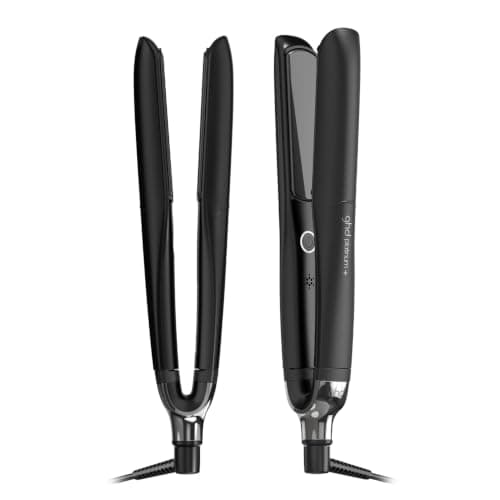
ghd Platinum+ flat iron (1 inch plate)
One temperature, 365°F, no dial to get wrong — the strongest heat-discipline argument in the category, and the longest iron warranty here at three years.
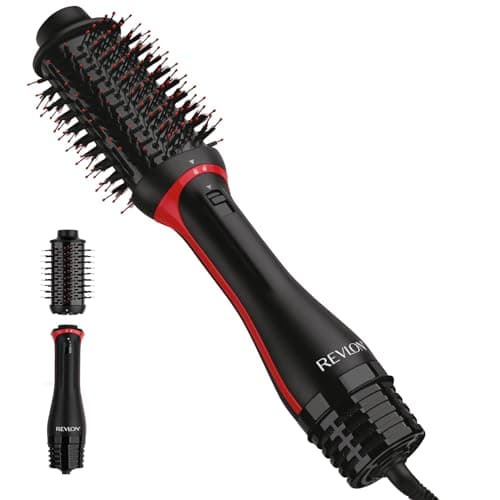
Revlon One-Step Volumizer Plus hair dryer and hot air brush
A 4-year limited warranty, the longest in this registry, on the cheapest kind of tool in it. Worth noticing before paying six times more elsewhere.
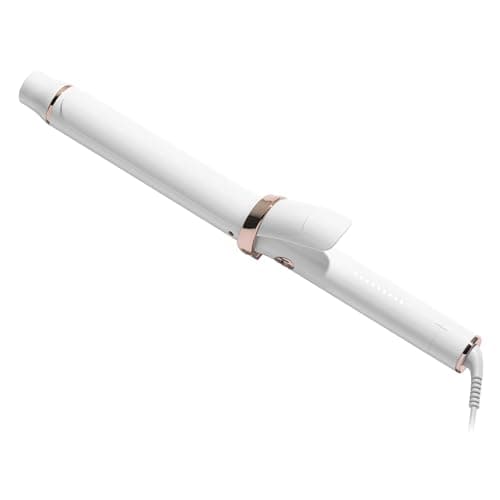
T3 SinglePass Curl X extra-long barrel curling iron
A 6.5-inch barrel and a separate published weight for every barrel size — unusual disclosure in a category where most makers publish a diameter and stop.
Questions people actually ask
How do I clean flat iron plates?
Unplug and let them go completely cold, then wipe with a soft damp cloth or one barely dampened with rubbing alcohol. Never scrape — ceramic is a coating over a metal plate, and once scratched through it will not heat evenly again.
How often should I clean my hair tools?
Filters monthly with daily use, iron plates and barrels monthly, hot air brush bristles every few uses. No manufacturer in our registry publishes an interval, so treat this as reasoning from the failure mechanisms.
Why does my flat iron pull or snag now?
Usually baked-on product residue on the plates, which changes both how they glide and how heat transfers. If it needs two passes where it used to need one, clean the plates before you conclude it is worn out.
What is the most common way hair tools fail?
Cord fatigue from wrapping it tightly around the body after every use, and blocked filters on anything with a motor. Both are classed as misuse by most warranties, and both take minutes to prevent.