Blow-Dry Brushes
Hot Air Brush vs Hair Dryer: Which One You Actually Need
One tool or two. The answer depends entirely on your hair type, not on your budget.
Updated September 2026 · Sawyer V.
A hot air brush combines a dryer and a round brush in one handle, trading airflow and attachments for not having to coordinate two hands. It suits straight to wavy hair. Curly, coily and very thick hair is better served by a dryer with a diffuser or concentrator.
We earn a commission if you buy through the links on this page, at no extra cost to you. It never changes which tool we pick or which one we tell you to skip. How this site is funded.
What each tool actually is
A hair dryer is a fan and a heating element that moves a lot of hot air. It does one thing extremely well and leaves the shaping to whatever you hold in your other hand.
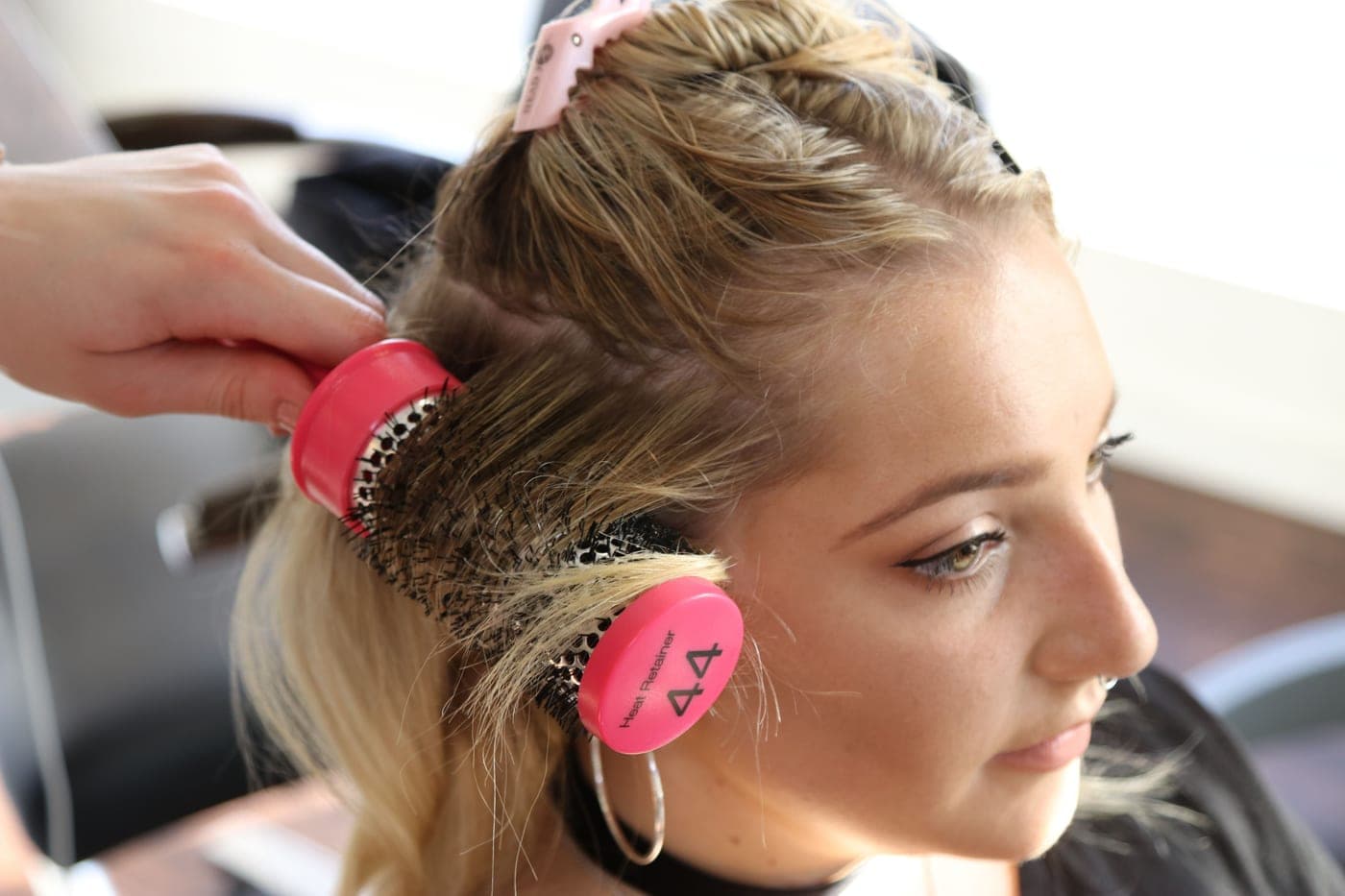
A hot air brush is the same fan and element wrapped in a bristled barrel. The airflow comes out through the bristles, so the tool dries and shapes in the same pass. It cannot match a dryer’s raw airflow, because the bristles and barrel are in the way.
A heated brush — worth naming because it is constantly confused with the second one — has no fan at all. It is used on dry hair. If a tool publishes speed settings, it has a fan; if it does not, it does not.
The comparison, on published rows
What the published specifications say about each approach
| Row | Hot air brush | Hair dryer |
|---|---|---|
| Published wattage here | 1,000-1,200 W | 1,300-1,875 W |
| Attachments | 0-2, usually a second head | Up to 3, incl. diffuser |
| Hands needed | One | Two |
| Technique to learn | Very little | Round-brush handling |
| Best warranty here | 4 years (Revlon) | Lifetime (Hot Tools) |
| Works with a diffuser | No | Yes |
The wattage gap is real and it is the whole story. A brush is drying through a barrel; a dryer is drying into open air. On fine or shoulder-length hair that difference is minutes. On thick, long or dense hair it becomes the difference between a routine and a chore.
Choose by hair type, not by budget
Straight to wavy: the brush wins
This is the case the brush was designed for. One tool, one hand, a smooth finish with some volume, and no round-brush technique to learn. Start at blow-dry brushes for fine hair.
Curly and coily: the dryer wins
A diffuser is not available on any hot air brush, and for a defined curl the diffuser is the whole tool. Brushing a curl pattern while it dries is how you get frizz instead of definition. See diffusers and dryers for curly hair.
Thick and dense: the dryer wins on time
Total time under heat is itself a damage variable Evans and Park, Journal of Cosmetic Science, so a tool that takes forty minutes where another takes twenty is not gentler for being cooler. Rough-dry with a dryer first, then finish with a brush if you want the shape.
Time, noise and the rest of the household
Two practical differences do not appear on any spec sheet and decide a lot of purchases.
Time. A brush is slower at removing water, because the airflow is passing through a bristled barrel rather than out of an open nozzle. On fine or shoulder-length hair the difference is a few minutes. On long, dense hair it can double the session, and total time under heat is itself a damage variable rather than a neutral cost.
Noise. Nobody in this registry publishes a decibel figure — not one maker, on any tool. What can be said structurally is that a brush generally moves less air at lower pressure, which tends to make it the quieter option, and that a longer session at a lower noise level is not obviously better for your ears than a short one at a higher one. We work through the exposure question on how loud hair dryers actually are.
There is also a sharing argument. A dryer suits everyone in a household because attachments adapt it to each hair type; a hot air brush suits whoever it was bought for and nobody else.
The answer most people land on
Own a dryer, and add a brush if your hair is straight to wavy. The dryer does the bulk removal and handles curl days, travel and anyone else in the house; the brush does the finished look on the days you want one.
The reverse order — buying only a brush — works if your hair is fine, short to medium and not curly. It falls apart the first time you need to dry soaking hair in a hurry, because a brush is slow at bulk water removal by design.
How many hair tools you actually need takes this further, and what a blowout actually needs covers doing it with two tools properly.
What a brush will not do
- Dry soaking hair quickly. Rough-dry to 80 percent first, with a dryer or a microfiber towel.
- Diffuse a curl. No attachment exists.
- Straighten properly. It smooths. For genuinely straight, see brush vs flat iron.
- Travel reliably. Most brushes here publish 125 V or nothing at all.
The tools on this page
Prices come from the live price layer. Where none is available the button says so rather than showing a number we cannot stand behind.
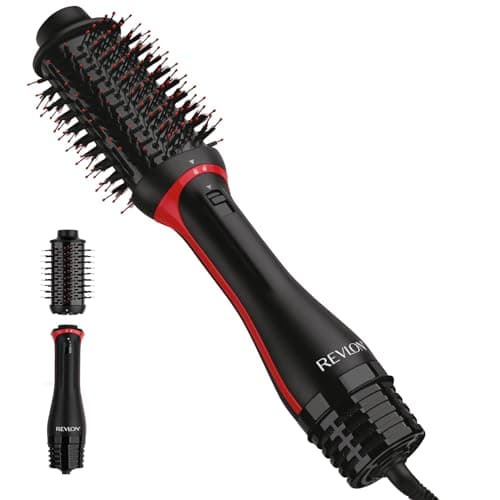
Revlon One-Step Volumizer Plus hair dryer and hot air brush
A 4-year limited warranty, the longest in this registry, on the cheapest kind of tool in it. Worth noticing before paying six times more elsewhere.
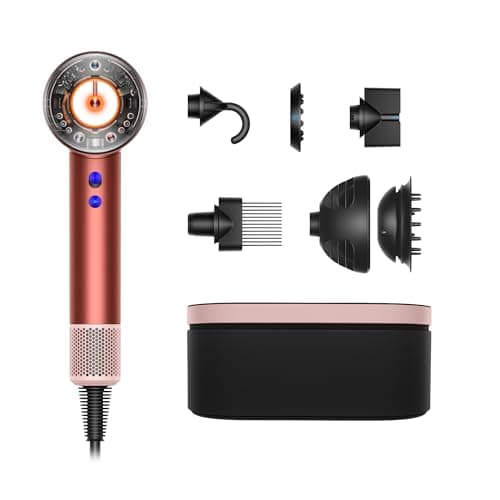
Dyson Supersonic hair dryer
1,600 W is less power than a drugstore dryer draws, and Dyson publishes that openly — the pitch is airflow and heat control, not wattage.
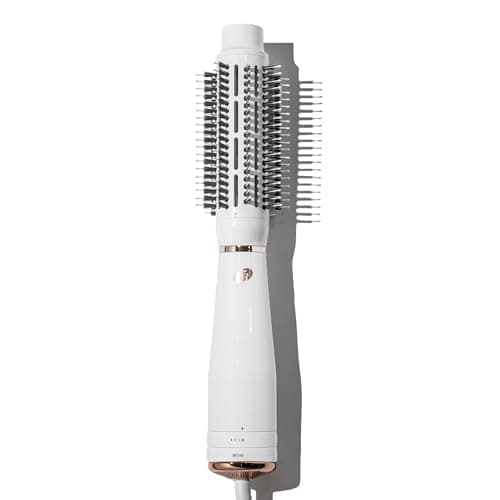
T3 AireBrush Round ionic blow-dry brush
A round barrel rather than a paddle, and the only T3 brush that publishes a wattage — the one built for lift rather than smoothing.
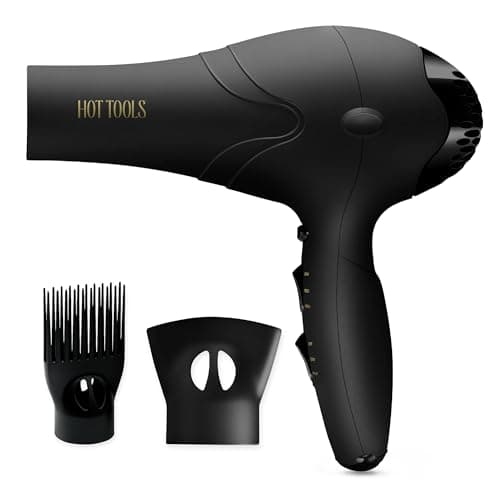
Hot Tools Pro Artist Infrared Ionic Salon Dryer 1875W
1,875 W ties the highest published draw on this site — the ghd Helios and Revlon SmoothStay state the same figure — on the only one of the three that publishes both attachments in the box and never expires.
Questions people actually ask
Is a blow-dry brush better than a hair dryer?
For straight to wavy hair that wants a smooth finish in one pass, yes. For curly, coily or very thick hair, no - a dryer moves far more air and accepts a diffuser, and no hot air brush does either.
Can a hot air brush replace a hair dryer completely?
Only if your hair is fine to medium, not curly, and you never need to dry soaking hair in a hurry. A brush dries through a bristled barrel, so bulk water removal is slow by design.
What is the difference between a hot air brush and a heated brush?
A hot air brush has a fan and dries hair. A heated brush has no fan and is used on hair that is already dry. If the specification sheet lists speed settings, the tool has a fan.
Should I rough-dry before using a blow-dry brush?
Yes, to about 80 percent. Using a brush on soaking hair means most of the session is spent evaporating water rather than shaping, which is slow and puts the hair under heat for longer than necessary.