Hair Dryers
Are Ionic Hair Dryers Worth It?
Ionic is on almost every dryer sold, which makes it a poor way to tell two of them apart.
Updated September 2026 · Sawyer V.
Ionic technology is a manufacturer claim that the dryer emits negatively charged ions which help break up water droplets and reduce static. Nearly every dryer sold now advertises it, including drugstore models, so it no longer separates one dryer from another. Treat it as a baseline, not a feature.
We earn a commission if you buy through the links on this page, at no extra cost to you. It never changes which tool we pick or which one we tell you to skip. How this site is funded.
What the claim actually is
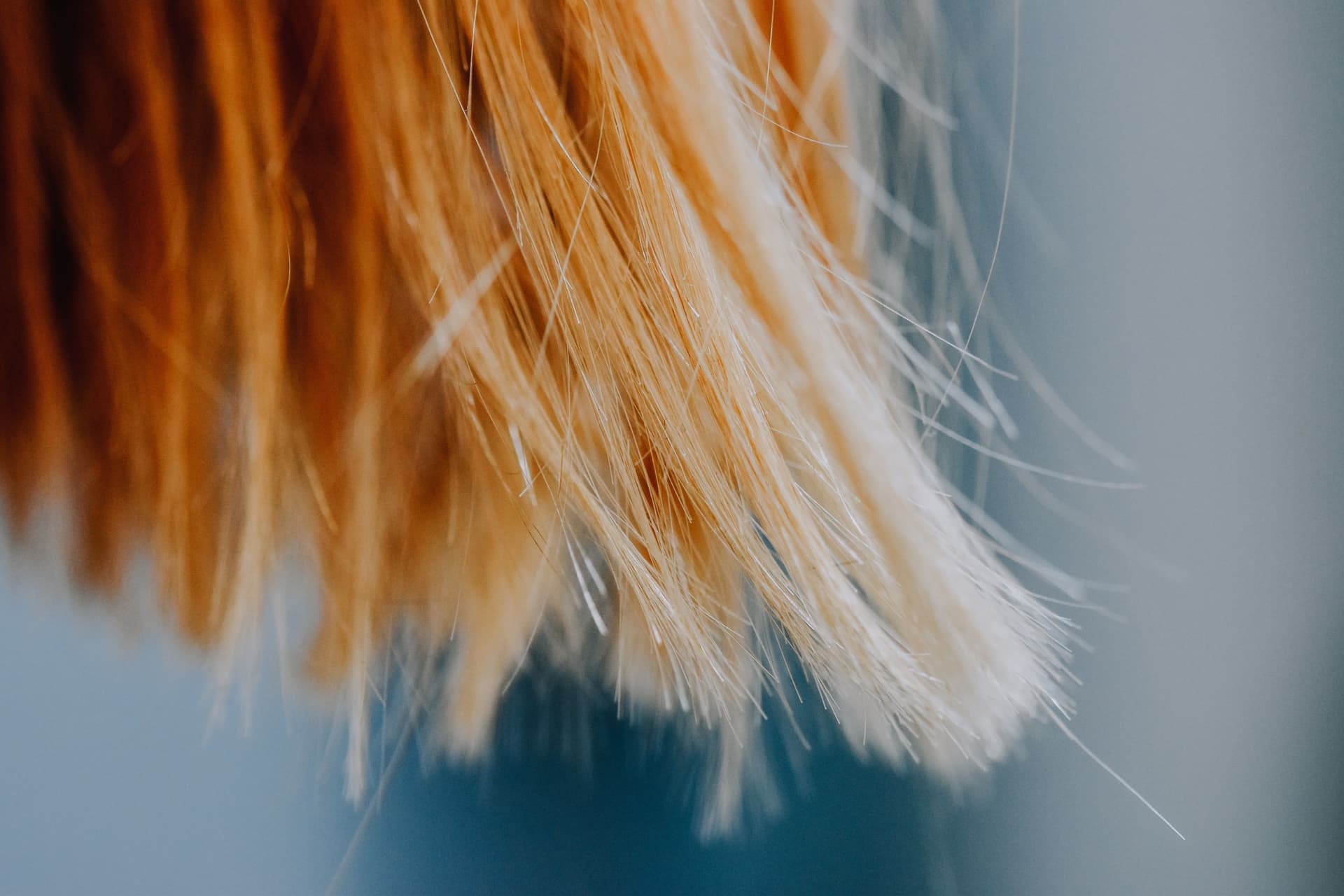
The stated mechanism is that a dryer emits negatively charged ions into the airstream. Those ions are said to help break larger water droplets into smaller ones so they evaporate faster, and to neutralize the positive charge on dry hair that makes strands repel each other — which is what static and flyaways physically are.
That is the manufacturers’ description, and we are reporting it as theirs. We have not measured ion output from any dryer and we are not going to write as though we have.
Who claims it
Revlon publishes “ceramic tourmaline ionic technology” on the SmoothStay dryer, a drugstore product, and “tourmaline ionic technology” on the One-Step Volumizer Plus. Similar language appears across the category at every price point.
When a feature appears on the cheapest tool and the most expensive one in the same words, it has stopped being a way to tell them apart. That is the practical conclusion, and it is more useful than a verdict on whether the physics works.
Tourmaline, ceramic, ionic — three different words
- Ionic describes the charged output claim above.
- Tourmaline is a mineral used in coatings and credited by manufacturers with producing that ionic output when heated.
- Ceramic describes a coating on the grill or barrel, credited with more even heat distribution and fewer hot spots.
They frequently appear together — Revlon publishes all three on one product — and they are describing different things. Ceramic is the one with the most straightforward mechanism, since even heat distribution is a plausible consequence of a conductive coating.
Where it might genuinely matter
If the mechanism works as described, the hair type that would notice is fine hair prone to static and flyaways, which is the hair type where surface charge has the most visible effect. Coarse, dense hair carries more mass per strand and shows static less.
But since the feature is now universal, this is not a purchasing decision — it is a description of what your dryer already claims to do. If flyaways are your problem, the more actionable variables are finishing on cool air, drying along the cuticle rather than across it, and the condition of the hair itself. See the signs of heat damage, because damaged cuticles produce most of what people treat as a static problem.
On the question people are actually searching
One query recurs in this category asking whether ionic hair dryers cause cancer. We are not going to answer that with reassurance we cannot source, and we are not going to answer it with alarm either. We have not found a citable published source addressing it directly, so we are not stating a conclusion in either direction. If that question is genuinely worrying you, a doctor is the correct place to take it, not a site that reviews hair tools.
What we can say precisely is what the manufacturers claim ionic output does — reduce static and speed evaporation — and that they make no health claims of any kind alongside it.
The tools on this page
Prices come from the live price layer. Where none is available the button says so rather than showing a number we cannot stand behind.
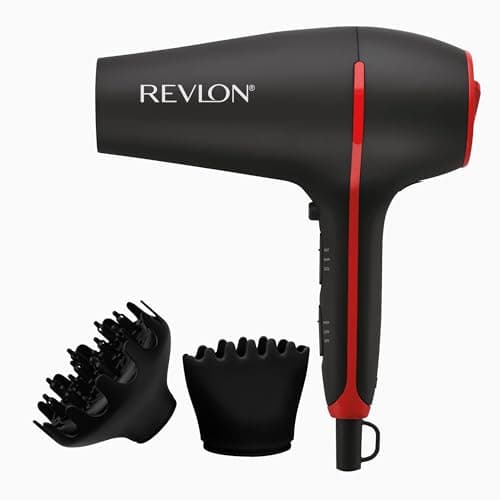
Revlon SmoothStay Coconut Oil-Infused hair dryer
The highest published wattage in this registry attached to the thinnest published spec sheet — Revlon states the watts and almost nothing else.
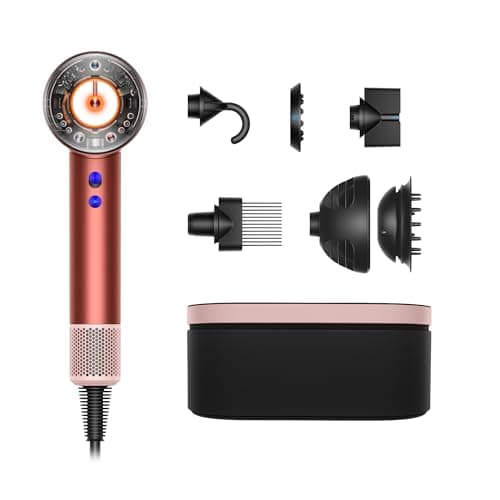
Dyson Supersonic hair dryer
1,600 W is less power than a drugstore dryer draws, and Dyson publishes that openly — the pitch is airflow and heat control, not wattage.
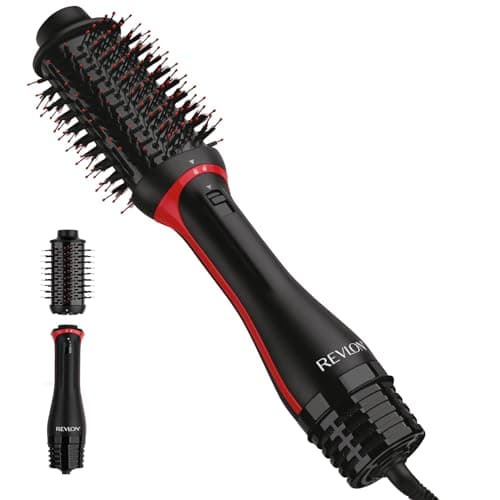
Revlon One-Step Volumizer Plus hair dryer and hot air brush
A 4-year limited warranty, the longest in this registry, on the cheapest kind of tool in it. Worth noticing before paying six times more elsewhere.
Questions people actually ask
Do ionic hair dryers make a difference?
Manufacturers say the ion output breaks up water droplets and neutralizes the static charge on dry hair. Because nearly every dryer now makes that claim, including drugstore models, it is not a useful way to choose between two of them.
Do ionic hair dryers reduce frizz?
That is the manufacturers' stated claim, and the mechanism given is neutralizing surface charge. If frizz is your main complaint, cuticle condition and drying technique are more actionable variables than a feature every dryer already advertises.
Is ionic bad for fine hair?
No manufacturer claims a downside for any hair type, and we have not found a published source describing one. Fine hair is the type most likely to show static, so it is the type where the claimed benefit would be most visible.
What is a tourmaline hair dryer?
One with tourmaline, a mineral, in the coating of the grill or barrel. Manufacturers credit it with producing ionic output when heated. It appears alongside ceramic and ionic claims on the same products, including inexpensive ones.