Multi-Stylers & Dupes
Air Styler vs Curling Iron: Which Should You Buy?
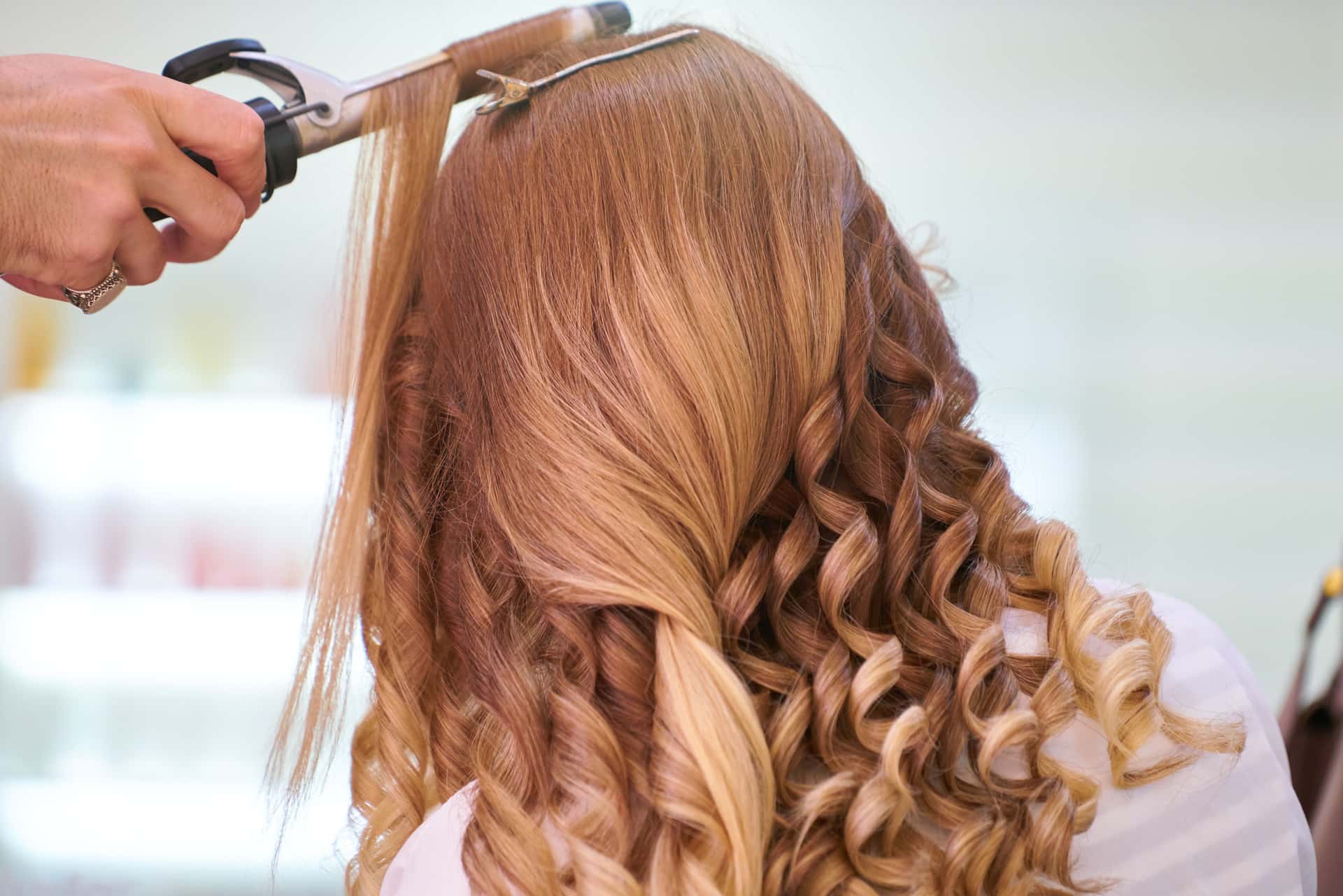
One sets the curl as hair dries. The other presses it into hair that is already dry. That difference decides almost everything.
Updated September 2026 · Sawyer V.
An air styler sets a curl as damp hair dries around a barrel, using moving air. A curling iron presses a curl into dry hair with a clamped heated barrel. The air styler is gentler and slower; the iron is faster and gives tighter, longer-holding curls.
We earn a commission if you buy through the links on this page, at no extra cost to you. It never changes which tool we pick or which one we tell you to skip. How this site is funded.
Two different mechanisms
How each tool works, and what follows from it
| Air styler | Curling iron | |
|---|---|---|
| Hair state | Damp | Completely dry |
| Mechanism | Airflow wraps and dries hair into shape | Heated barrel presses the shape in |
| Heat contact | Indirect, via moving air | Direct, barrel against hair |
| Published wattage | 1,300–1,700 W | Often not published at all |
| Curl character | Softer, more voluminous | Tighter, more defined |
| Hold | Generally shorter | Generally longer |
| Speed | Slower — it is drying as it styles | Faster on dry hair |
| Learning curve | Gentler | Steeper, especially clipless wands |
Wattage ranges are from the tools in our registry. T3 publishes no wattage for any curling iron, which is typical of the category.
The heat argument, honestly
The air styler is the gentler tool, and the reason is mechanical rather than marketing: heat arriving through moving air is less direct than a heated barrel held against the hair. On fine or already-damaged hair that difference is worth having.
What it is not is heat-free. Every air styler publishes heat settings because they get hot, and drying hair with heat is still applying heat. The category’s marketing sometimes implies more than the published specifications support, and it is worth noticing.
The hold argument, equally honestly
Hair sets in the shape it cools into. An air styler dries hair around a barrel, so the curl forms as it dries and cools — a genuinely good mechanism for hold. A curling iron heats already-dry hair and relies on you letting the curl cool in your hand before releasing it.
In practice most people report tighter, longer-lasting curls from an iron, and the likeliest reason is that an iron reaches a higher temperature on the hair itself. That is the trade in one sentence: more hold, more heat.
Which to buy
Buy an air styler if
- Your hair is fine, fragile or already heat damaged. Less direct heat is the whole point.
- You want volume as well as shape. The round brush attachment does something no iron can.
- You would use it most days. The price only makes sense at frequency.
- You want one tool that also dries. Only the Shark FlexStyle converts.
Buy a curling iron if
- You want tight, defined, long-holding curls. Nothing else does this as well.
- Your hair is coarse or resistant and does not hold a soft set.
- You style occasionally. The price difference is enormous and an iron is the sane occasional purchase.
- You travel. Several irons publish 100–240 V; no air styler in our registry does — the list is here.
The cost difference
Price per use, at 5 uses a week over 5 years
| What you pay | Cost per use | Cost per year |
|---|---|---|
| $30 | $0.02 | $6.00 |
| $60 | $0.05 | $12.00 |
| $100 | $0.08 | $20.00 |
| $150 | $0.12 | $30.00 |
| $200 | $0.15 | $40.00 |
| $300 | $0.23 | $60.00 |
| $400 | $0.31 | $80.00 |
| $500 | $0.38 | $100.00 |
5 uses a week for 5 years is 1300 uses. Both figures are stated assumptions, not measurements — halve the life and every cost per use doubles. We publish the ladder rather than a worked example for one specific product because a price we typed into a sentence would be wrong within a week.
The spread between a curling iron and a flagship air styler is one of the largest in this whole category, and at occasional usage it works out to dollars per use rather than cents. Find both prices on the ladder and subtract — the difference is what you are actually deciding. Full treatment at the value pages.
The tools on this page
Prices come from the live price layer. Where none is available the button says so rather than showing a number we cannot stand behind.
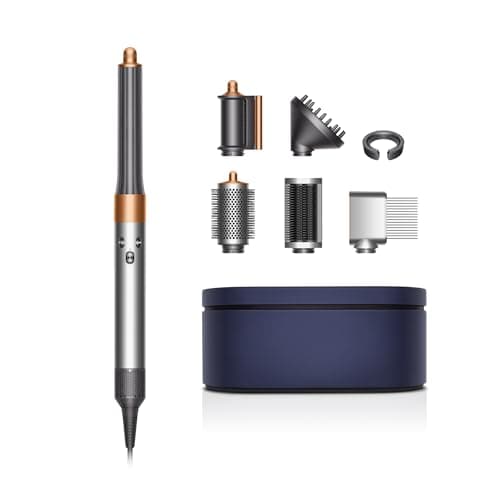
Dyson Airwrap multi-styler (Complete Long)
1,300 W is the lowest published wattage of any mains tool in this registry. That is the design argument, and it is also why it is slow on thick hair.
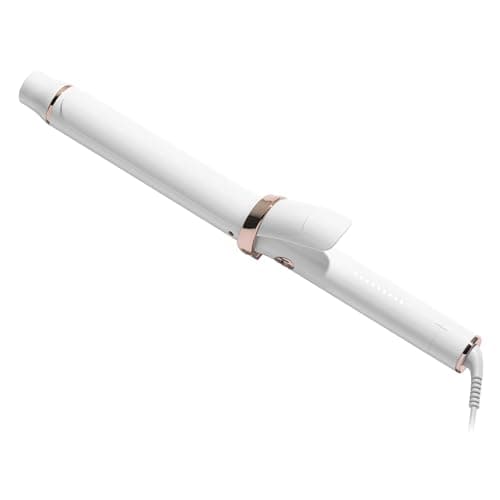
T3 SinglePass Curl X extra-long barrel curling iron
A 6.5-inch barrel and a separate published weight for every barrel size — unusual disclosure in a category where most makers publish a diameter and stop.
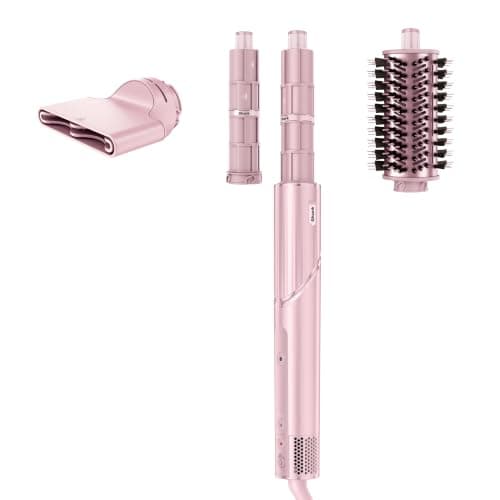
Shark FlexStyle air styling and drying system
Exactly the same published wattage as the Dyson Supersonic, in a tool that also converts to a dryer — the single strongest number in the dupe argument.
Questions people actually ask
Is an Airwrap better than a curling iron?
It is gentler and adds volume; an iron gives tighter curls that hold longer. Neither is better in the abstract. For fine or damaged hair the air styler is the safer tool, and for coarse hair that will not hold a soft set the iron is the effective one.
Do air stylers hold curl as well as curling irons?
Generally not. Most people report tighter, longer-lasting curls from an iron, most likely because an iron reaches a higher temperature on the hair itself. That extra hold is bought with extra heat.
Can I use an air styler on dry hair?
You can, but you lose most of the mechanism. These tools set the shape as the hair dries, so on fully dry hair you are paying for a function you are not using. This is a common reason people conclude the tool does not work for them.
Which is cheaper to run?
Curling irons draw far less power, though most makers publish no wattage at all so it cannot be computed for many of them. Air stylers publish 1,300 to 1,700 W, which works out to roughly $15 to $20 a year at typical usage.