Is It Worth It?
When to Replace a Hair Tool (and When Not To)
A tool that looks tired is usually fine. A tool with an intermittent cord is not, and that is the one people keep using.
Updated September 2026 · Sawyer V.
Replace it when the cord is intermittent, when the plates snag, when a dryer smells hot, or when it no longer reaches temperature. Do not replace it because it looks worn, because a newer model exists, or because the finish is scratched.
We earn a commission if you buy through the links on this page, at no extra cost to you. It never changes which tool we pick or which one we tell you to skip. How this site is funded.
The four signals that mean replace
1. The cord is intermittent
The most important item on this page, and the one people ignore longest. If the tool cuts out when the cable is moved, or you have found a position that “works”, the conductors inside are fatigued — almost always where the cord enters the handle.
This is not a nuisance to live with. A broken conductor arcs, and arcing inside an insulated cable next to a heating element is the one failure on this page with a safety dimension rather than a performance one. Replace it.
It is also the most preventable failure in this category, and the prevention is free — do not wrap the cord around the tool. That, and why it matters, is on the storage page.
2. The plates or barrel snag
A coating that has worn through stops being smooth, and a rough plate drags rather than glides. You feel it as the tool catching mid-pass, and the consequence is mechanical damage to the hair on top of the thermal kind.
Worth distinguishing from buildup, which looks similar and is fixable. Clean the plates properly first — if it still snags afterwards, the coating is gone — the routine.
3. A dryer or brush smells hot
That smell is usually lint scorching against the heating element because the intake is blocked. It is fixable, and it is also a warning: a restricted intake makes the element run hotter than the setting you selected.
Clean the filter. If the smell persists on a clean intake, the element or the thermal cut-out is failing and the tool is done.
4. It no longer reaches temperature
If sections that used to take one pass now take three, and the hair and technique have not changed, the tool has. That matters more than it sounds because pass count is the dominant term in total heat exposure — a weakening iron is quietly doing more damage than a healthy one at the same setting.
The three signals that do not
- It looks worn. Scuffs, discolored plastic, a faded logo. None of these touch your hair or affect performance.
- A newer model came out. Look at what actually changed on the spec sheet. In our registry, T3’s two dryers differ by half an ounce and nothing else, and ghd’s Chronos adds a wide-plate option to the Platinum+ argument rather than replacing it.
- Cosmetic scratching on the plates. Scratches you can see are not the same as a coating that has worn through. The test is whether it snags in use, not whether it looks perfect.
What the warranty tells you about expected life
Manufacturers will not publish a service life, but a warranty is the closest available proxy — it is the one number that costs them money to get wrong.
Published warranty terms across our registry
| Tool | Published warranty |
|---|---|
| Revlon One-Step Volumizer Plus | 4-year limited |
| Revlon Salon One-Step | 4-year limited |
| ghd Platinum+ / Chronos | 3-year |
| Dyson, Shark, T3 — everything | 2-year |
| ghd Helios | 2-year consumer, 1-year professional |
| Revlon SmoothStay dryer | Not published |
Every price-per-use figure on this site assumes a five-year life, which is longer than any warranty here. That is deliberate — a warranty is a floor rather than an expectation — but it does mean a tool dying at two years more than doubles what it actually cost you per use.
Price per use, at 5 uses a week over 5 years
| What you pay | Cost per use | Cost per year |
|---|---|---|
| $30 | $0.02 | $6.00 |
| $60 | $0.05 | $12.00 |
| $100 | $0.08 | $20.00 |
| $150 | $0.12 | $30.00 |
| $200 | $0.15 | $40.00 |
| $300 | $0.23 | $60.00 |
| $400 | $0.31 | $80.00 |
| $500 | $0.38 | $100.00 |
5 uses a week for 5 years is 1300 uses. Both figures are stated assumptions, not measurements — halve the life and every cost per use doubles. We publish the ladder rather than a worked example for one specific product because a price we typed into a sentence would be wrong within a week.
The fuller argument about reading warranty terms is on the warranty page, and what is known about dryer lifespan specifically is on the lifespan page.
Repair, where it is possible
Mostly it is not, and we would rather say so than imply otherwise. Most tools in this category are sealed assemblies with no user-serviceable parts and no published spares.
What is worth doing before you replace anything:
- Clean the intake. Fixes a surprising share of “it stopped working properly” complaints, especially on brushes and dryers.
- Clean the plates. Product buildup mimics a worn coating.
- Check the warranty before you bin it. Three or four years is long enough that people forget they are still covered.
- Detachable parts. Revlon publishes a detachable head on the One-Step Volumizer Plus — the only cleanable brush head in our registry, and the reason to prefer it over its sibling.
Battery tools are a separate case
One tool in our registry is cordless, and batteries degrade whether you use them or not. A cordless iron that no longer completes a session is not a tool with a fixable fault; it is a tool at the end of its useful life, and Dyson publishes a two-year warranty on it.
There is also a disposal consideration. The FAA states that damaged or recalled batteries and battery-powered devices likely to create sparks or generate a dangerous evolution of heat must not be carried aboard an aircraft — FAA PackSafe. That is an air-travel rule rather than a disposal rule, and the signal transfers: a swollen or damaged battery tool is not something to keep in a drawer.
The replacement worth making early
One exception to everything above. If your current tool has no setting below 365°F and your hair has since been bleached or heavily colored, replacing it is not a maintenance decision — the tool no longer suits the hair.
Every ghd tool is fixed at 365°F and the Dyson Corrale starts there. Only the T3 SinglePass StyleMax goes below it. The case is on the bleached-hair page and the color-treated router.
The tools on this page
Prices come from the live price layer. Where none is available the button says so rather than showing a number we cannot stand behind.
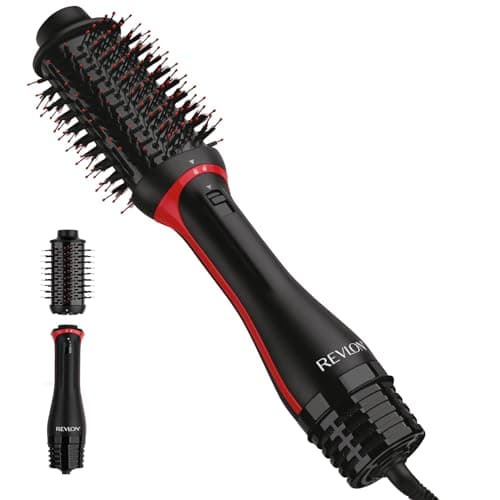
Revlon One-Step Volumizer Plus hair dryer and hot air brush
A 4-year limited warranty, the longest in this registry, on the cheapest kind of tool in it. Worth noticing before paying six times more elsewhere.
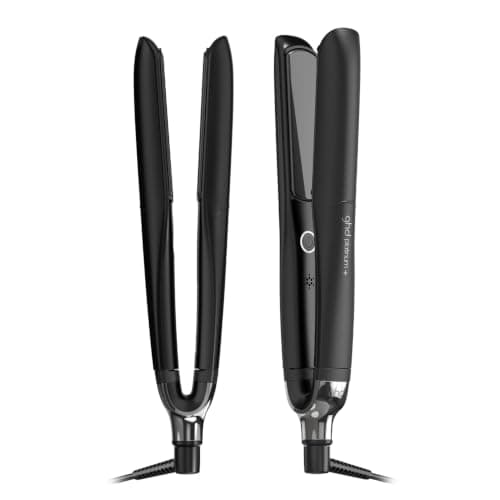
ghd Platinum+ flat iron (1 inch plate)
One temperature, 365°F, no dial to get wrong — the strongest heat-discipline argument in the category, and the longest iron warranty here at three years.
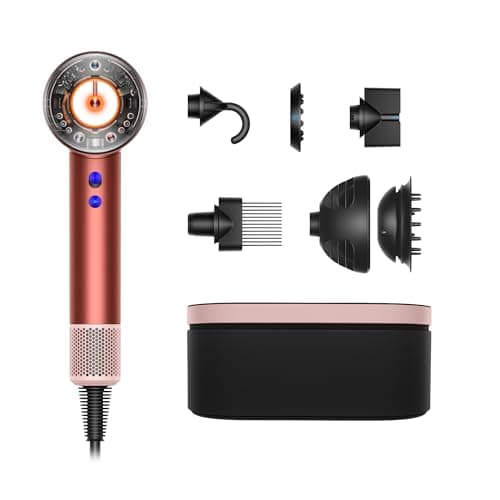
Dyson Supersonic hair dryer
1,600 W is less power than a drugstore dryer draws, and Dyson publishes that openly — the pitch is airflow and heat control, not wattage.
Questions people actually ask
How do I know when to replace my flat iron?
When the cord is intermittent, when the plates snag after cleaning, or when sections that used to take one pass now take three. Cosmetic wear and a newer model existing are not reasons.
Why does my hair dryer smell like burning?
Usually lint scorching against the heating element because the air intake is blocked. Clean the filter first. If the smell persists on a clean intake, the element or thermal cut-out is failing and the tool is done.
How long should a hair tool last?
No manufacturer publishes a service life. Warranty is the closest proxy: four years on the Revlon brushes, three on ghd irons, two on everything from Dyson, Shark and T3. Our price-per-use figures assume five.
Is it worth repairing a hair dryer?
Usually not — most are sealed assemblies with no published spares. What is worth doing first is cleaning the intake and the plates, which fixes a surprising share of performance complaints.